



Virgil, ON residents can rely on 24/7 Emergency HVAC Service for fast, safety-focused diagnostics and rapid repairs. The team prioritizes occupant safety, uses PPE, and emphasizes clear communication from arrival through resolution. Diagnostic steps cover gas leaks, CO detection, electrical checks, refrigerant pressures, and water management, with guidance on temporary safety fixes and longer-term replacements. Transparent pricing, financing options, and maintenance recommendations support affordable, reliable service during emergencies and beyond. It emphasizes safety, clarity, and ongoing comfort for Virgil homes.
.jpeg)
Emergency HVAC Service in Virgil, ON
When your furnace stops in the middle of a January night or the air conditioner fails during a humid July heat wave, you need prompt, experienced help you can trust. Our 24/7 Emergency HVAC Service in Virgil, ON is designed for exactly those situations: rapid response, clear safety-first diagnostics, and practical repair options that protect your home and family. In Virgil’s cold winters and humid summers, timely emergency HVAC care prevents property damage, health risks, and extended discomfort.
Common emergency HVAC scenarios in Virgil, ON
Residents in Virgil face a predictable set of urgent HVAC problems tied to local climate and housing stock. Typical emergencies we handle include:
- No heat during cold snaps (furnace failure, pilot or ignition fault)
- Complete AC failure on hot, humid days
- Furnace breakdowns causing intermittent heating or shutdowns
- Suspected gas leaks or strong odor of natural gas
- Carbon monoxide (CO) alarm activation or suspected CO presence
- Water damage from clogged condensate lines, frozen pipes, or failed heat exchanger
- Loss of HVAC during power outages affecting system safety or control systems
Rapid-response dispatch procedures and estimated response times
When an emergency call comes in, our dispatch follows a standardized rapid-response process to prioritize safety and arrival speed:
- Triage the situation by asking about symptoms (no heat, gas smell, CO alarm, water leak), number of occupants, and any immediate hazards.
- Assign and dispatch the nearest qualified technician with appropriate PPE and specialized tools.
- Provide the homeowner with clear safety steps to follow while help is en route.
Estimated response times vary by time of day and local conditions:
- Typical response during regular hours: 1 to 2 hours
- After-hours and overnight: 1 to 3 hours depending on weather and call volume
- Severe weather or widespread outages may extend arrival times; urgent hazards (gas leaks, CO alarms) are prioritized first
On-site diagnostic and safety checks
Upon arrival, technicians perform a safety-first inspection and diagnostic sequence:
- Visual and olfactory check for gas leaks, water, and smoke
- Confirm status of CO detectors and take immediate CO readings with calibrated monitors
- Inspect furnace/air handler, flue, vents, and combustion chamber for cracks, soot, or blockages
- Verify electrical connections, thermostat operation, and power supply
- Check refrigerant pressures, compressor operation, and condensate drain for AC systems
- Assess for water damage, mold risk, and structural concerns related to HVAC leaks
Technicians will explain findings in plain language, identify immediate hazards, and outline recommended next steps.
Temporary versus permanent repair options
Not all emergencies require full replacement. We provide honest options so you can decide based on safety, cost, and long-term value:
- Temporary (safety-first) repairs: used to restore safe operation quickly — examples include bypassing a jammed blower temporarily, replacing a failed ignition module, sealing a small refrigerant leak for short-term operation, or clearing a condensate blockage to stop water damage.
- Permanent repairs or replacements: recommended when a component is unsafe, repeatedly failing, or inefficient — examples include replacing a cracked heat exchanger, installing a new compressor, or replacing an aging furnace near end of life.
Technicians will clearly label temporary fixes and document why a permanent solution is recommended, including risks of deferring repairs.
Technician qualifications and certifications
Every emergency technician serving Virgil homes meets industry standards and local regulations:
- Red Seal or equivalent qualified HVAC technicians for robust heating and cooling system expertise
- TSSA-qualified technicians for gas appliance safety and compliance (where required in Ontario)
- Refrigeration handling certification for modern refrigerants
- Ongoing training in combustion analysis, CO detection, and modern control systems
- First aid and safe work practices for home safety during emergencies
Technicians arrive in uniform with photo ID and explain safety protocols before beginning work.
Transparent emergency pricing and payment/financing options
Emergency work differs from standard service calls. To reduce stress during urgent situations we follow transparent pricing practices:
- Clear explanation of any emergency call-out fee and what it covers (rapid dispatch, after-hours labor, travel)
- Itemized estimate for diagnostics, parts, and labor before non-essential work begins
- Options for performing immediate safety repairs now and scheduling permanent repairs later
- Multiple payment methods accepted and information about available financing options for larger repairs or replacements, explained without pressure
Homeowner safety tips to follow while waiting for help
If you face an HVAC emergency in Virgil, follow these safety-first steps:
- Gas leak: evacuate everyone outdoors immediately, avoid electrical switches or open flames, and call local emergency services from a safe location
- CO alarm: get everyone outdoors to fresh air, do not re-enter until a qualified technician confirms safety
- No heat in winter: layer clothing and use safe supplemental heat sources; avoid using ovens or gas ranges for heating
- AC failure during extreme heat: stay hydrated, move vulnerable people to lower floors or cooler rooms, and use fans to circulate air
- Water leaks: turn off the HVAC system if safe; isolate and stop water source if possible; protect valued items and place containers under leaks
Preventive steps and concluding benefits
24/7 emergency HVAC service in Virgil, ON provides immediate safety assurance and minimizes damage and downtime. To reduce the likelihood of emergencies:
- Schedule annual furnace and AC tune-ups before winter and summer seasons
- Replace filters regularly and keep vents clear
- Install and maintain CO detectors on each level of your home
- Consider a maintenance plan that includes priority service and seasonal inspections
- Evaluate backup power options or a whole-home generator if power outages are common
Emergency HVAC care protects your home, health, and comfort. In Virgil’s climate extremes, prompt, qualified response and straightforward advice make the difference between a short disruption and a costly, dangerous failure.

Customer Testimonials

I have used Niagara Home heating for multiple projects for over 16 years. John and his staff are absolutely the best. I tell all my friends and family about Niagara Home Heating because you won’t get any better service or pricing anywhere in Niagara. He has saved me thousands and thousands of dollars and has never let me down.

I called John today at 2:pm as my AC was not working and I wasn’t expecting even a call back as I knew with this hot weather we have had he would be swamped with calls. Well he called me back and showed at 8:pm on the same day to fix my AC. That is just incredible service and how much John really cares about his clients. Thank you John !
We had an amazing experience getting our new furnace installed with Niagara Home Heating. The owner was very helpful, their quote was more then competitive and the technician who installed the unit was professional and friendly. I would recommend their services.
Very efficient company. I needed an old solar water heater removed from my roof. They were quick to book an appointment for the next day after I sent photos. They were very knowledgeable of the issue. The 2 guys that came were friendly and competent with the job, including removal of all parts.
Lifesavers!! The AC in our house decided to quit the day we were passing the keys to the new owners!! Instead of making a service call to the house, John coached me through the minor repair over the phone, saving me the money and time waiting for a repair person to come.Much appreciated! Thanks again John
I had an issue with my hot water tank and called Niagara Home Heating. Their service was fantastic and reasonably priced—exactly how a business should be run!

Service Areas
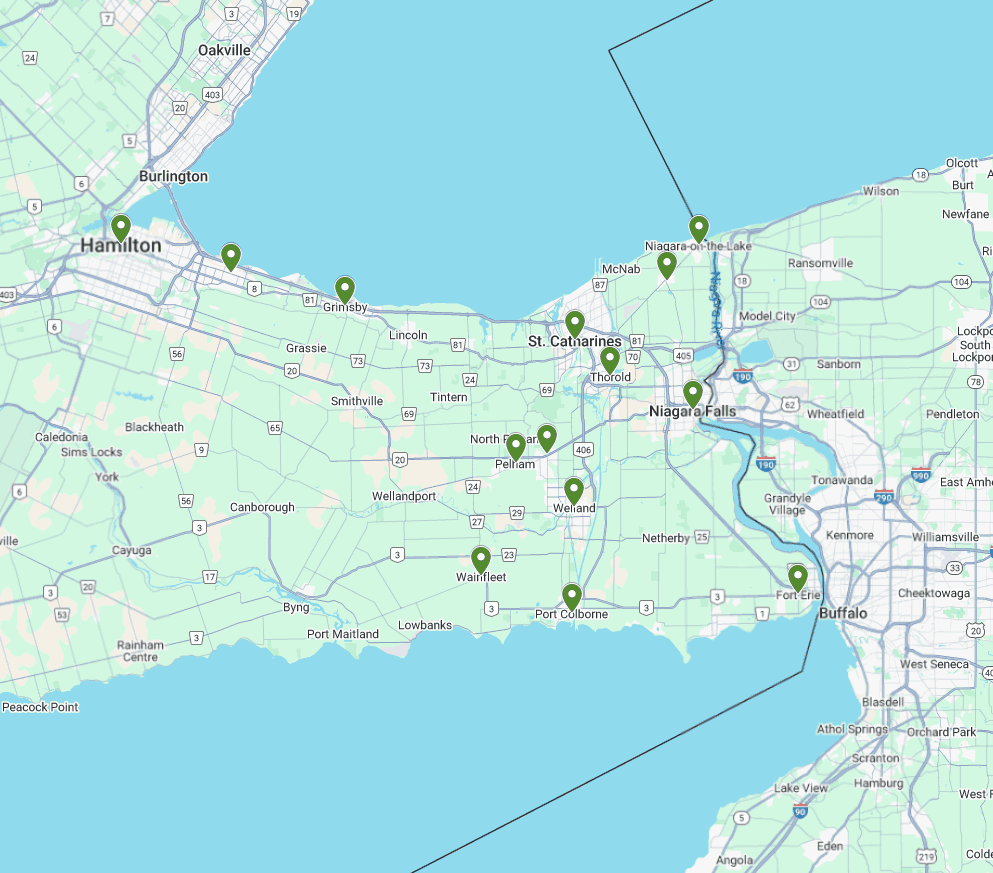
Our service areas encompass a wide range of locations, ensuring that we can meet the needs of our clients wherever they are. From bustling urban centers to serene rural landscapes, we are committed to providing top-notch services tailored to each unique environment.