



This service page describes how HVAC repair is performed in Virgil, ON, from timely diagnostics to transparent pricing and reliable workmanship. It covers common failures such as furnace and AC issues, heat pump problems, and faulty thermostats, then outlines diagnostic steps, safety checks, and targeted tests. It describes typical repair workflows, emergency options, warranty considerations, and the importance of licensed technicians. It also provides practical maintenance tips to reduce future breakdowns and keep heating and air conditioning system performance steady through seasonal swings.
-min.jpeg)
HVAC Repair in Virgil, ON
When your home heating or cooling system fails, you need clear answers and reliable repairs fast. HVAC repair in Virgil, ON focuses on restoring comfort, safety, and efficiency for homes dealing with cold winters, humid summers, and the seasonal freeze-thaw cycles common to the Niagara region. how professional HVAC repair works in Virgil, common system failures you are likely to see, how diagnostics are performed, typical repair workflows, what to expect for parts and labor, technician qualifications and warranty options, plus practical tips to reduce the chance of future breakdowns.
Why timely HVAC repair matters in Virgil, ON
Virgil experiences cold, wet winters and warm, humid summers. That seasonal swing increases wear on furnaces, heat pumps and air conditioners. Delaying repairs can cause:
- Reduced comfort and indoor air quality
- Higher energy bills from inefficient operation
- Greater risk of complete component failure and emergency replacement
- Safety risks when combustion appliances or gas components are involved
Addressing problems early preserves equipment life and keeps heating and cooling running reliably through peak seasons.
Common HVAC failures in Virgil homes
Homeowners in the Virgil area commonly report these system issues:
- Furnace not starting, short cycling, or weak heat output (clogged filters, ignition or flame sensor issues, or airflow problems)
- Air conditioner not cooling, freezing coils, or constant short cycling (refrigerant leaks, failed compressors, dirty coils)
- Heat pump issues in shoulder seasons: inefficient heating, defrost cycle problems, or loss of reversibility
- Hot water tank leaks, no hot water, or noisy operation (sediment buildup, failed heating elements, corroded tanks)
- Thermostat communication or control faults causing erratic operation
- Electrical failures such as tripped breakers, capacitors, or motor failures from power surges or aging parts
Diagnostic and troubleshooting procedures
A reliable repair starts with a systematic diagnosis rather than guesswork. Standard diagnostic steps include:
- Verify homeowner-observed symptoms and recent changes in operation or utility service.
- Visual inspection of equipment, venting and condensate drains for obvious damage or blockages.
- System baseline: check thermostat settings, airflow, filter condition, electrical connections and safety switches.
- Measure temperatures, pressures and voltages where appropriate to isolate faults (burner operation, refrigerant pressure, compressor amperage).
- Perform targeted tests such as ignition sequence checks, capacitor tests, leak detection for refrigerant, and combustion analysis when required.
- Report findings and recommend repair options with transparent explanations and estimated parts and labor.
Technicians document findings so you understand what failed, why, and what the repair will accomplish.
Typical repair workflow
Standard repair jobs follow a predictable, customer-friendly sequence:
- On-site inspection and diagnostics
- Clear, written estimate that describes parts, labor and warranty terms
- Parts procurement, prioritizing OEM or manufacturer-approved replacements
- Repair work with professional safety and cleanliness practices
- Post-repair testing and system optimization, including airflow balancing, refrigerant charge verification, and safety checks
- Job documentation showing work performed, parts installed, and recommended next steps or maintenance
For complex jobs that require special-order parts, technicians can provide temporary measures to keep systems running safely until full repairs are complete.
Emergency response options
In Virgil, rapid response is critical during extreme cold or when hot water is essential. Emergency repair protocols typically include:
- Priority scheduling for systems that threaten safety or habitability
- Temporary fixes to restore function when full repairs cannot be completed immediately
- Safety shutoffs and containment for gas leaks or unsafe electrical conditions
- Coordination with local code or inspection requirements when repairs affect regulated systems
Emergency repairs are triaged to restore heat or cooling first, then completed with a permanent solution as soon as parts and access allow.
Parts, labor and pricing transparency
Honest repair estimates break down:
- Recommended parts (OEM or equivalent) and why they are preferred
- Labor hours and what the labor covers (diagnostics, replacement, calibration, cleanup)
- Any applicable warranties on parts and labor, and manufacturer warranty expectations
- Options when replacement is more cost-effective than repair, with long-term operating cost considerations
Transparent pricing means you receive a clear explanation of costs and tradeoffs before work begins.
Technician qualifications and standards
Quality repairs rely on trained professionals. Look for technicians who:
- Are licensed and certified for gas, refrigeration and electrical work relevant to the repair
- Have manufacturer training for high-efficiency furnaces, heat pumps and air conditioning systems
- Follow local code, safety best practices and documentation standards
- Receive ongoing training on new technologies such as variable-speed systems and smart controls
- Treat your home with care using protective coverings and clean work habits
Licensed technicians reduce risk and ensure safe, code-compliant repairs.
Warranty and repair guarantees
Most reputable repair providers offer:
- Parts and labor warranty on repair work (terms vary; manufacturers often support part warranties)
- Clear documentation of what is covered and how to make a claim
- Honesty about when a repair is a short-term fix versus when replacement is recommended for reliability or efficiency
Warranty coverage gives homeowners confidence that repairs are backed by a commitment to quality.
Preventing future breakdowns in Virgil
Regular maintenance aligned with local climate will reduce emergency repairs and extend equipment life. Practical preventive steps:
- Schedule annual furnace tune-ups before heating season and AC inspections before summer, including cleaning coils and checking refrigerant levels
- Replace filters every 1 to 3 months depending on use, pets and indoor air quality needs
- Keep outdoor condensing units clear of debris, snow and leaves to maintain airflow
- Flush and inspect hot water tanks for sediment if your home has hard water; consider a water treatment solution if sediment is recurring
- Monitor system performance and unusual noises; catching issues early avoids larger failures
- Consider smart thermostats and zoning to reduce cycling and even wear across equipment
Regular maintenance in Virgil helps systems handle the region's humidity and temperature swings more reliably.
Final notes on decision criteria
When evaluating HVAC repair options in Virgil, ON, prioritize providers that document diagnostics, provide transparent estimates, use qualified technicians, and offer clear warranty terms. Repair decisions should balance short-term cost, long-term reliability and overall system efficiency given the local climate demands. Quality repairs restore comfort, protect safety and reduce energy waste so your home stays comfortable through every season.

Customer Testimonials

I called John today at 2:pm as my AC was not working and I wasn’t expecting even a call back as I knew with this hot weather we have had he would be swamped with calls. Well he called me back and showed at 8:pm on the same day to fix my AC. That is just incredible service and how much John really cares about his clients. Thank you John !

I have used Niagara Home heating for multiple projects for over 16 years. John and his staff are absolutely the best. I tell all my friends and family about Niagara Home Heating because you won’t get any better service or pricing anywhere in Niagara. He has saved me thousands and thousands of dollars and has never let me down.
Lifesavers!! The AC in our house decided to quit the day we were passing the keys to the new owners!! Instead of making a service call to the house, John coached me through the minor repair over the phone, saving me the money and time waiting for a repair person to come.Much appreciated! Thanks again John
I had an issue with my hot water tank and called Niagara Home Heating. Their service was fantastic and reasonably priced—exactly how a business should be run!
We had an amazing experience getting our new furnace installed with Niagara Home Heating. The owner was very helpful, their quote was more then competitive and the technician who installed the unit was professional and friendly. I would recommend their services.
Very efficient company. I needed an old solar water heater removed from my roof. They were quick to book an appointment for the next day after I sent photos. They were very knowledgeable of the issue. The 2 guys that came were friendly and competent with the job, including removal of all parts.

Service Areas
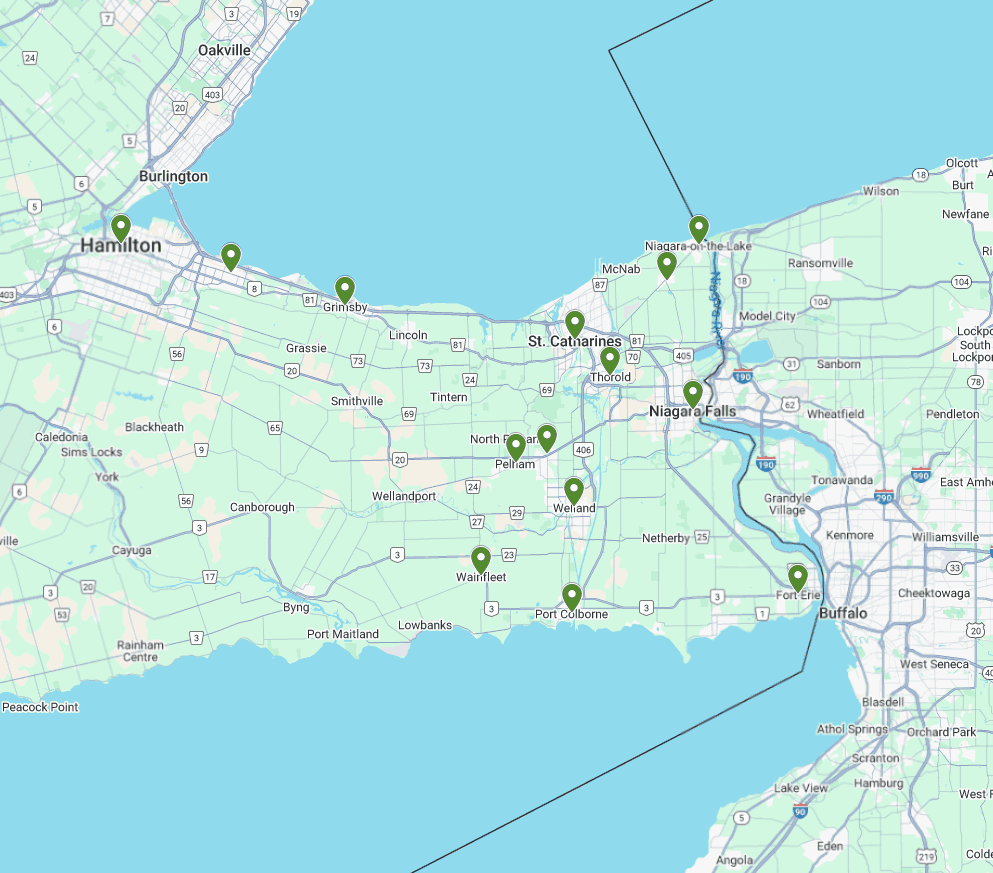
Our service areas encompass a wide range of locations, ensuring that we can meet the needs of our clients wherever they are. From bustling urban centers to serene rural landscapes, we are committed to providing top-notch services tailored to each unique environment.