



Emergency HVAC service in Wainfleet, ON provides round-the-clock response to urgent heating and climate-control failures, prioritizing life safety, CO hazards, and rapid recovery for rural properties. Technicians assess life-threatening symptoms, deploy safety-first triage, and perform on-site diagnostics, balancing speed with thoroughness. Service covers furnace, boiler, heat pump, and AC issues, with temporary fixes when possible and clear guidance on replacements when warranted. Customers receive transparent timelines, safety checks, and practical steps to restore comfort and protect property quickly.
-min.jpeg)
Emergency HVAC Service in Wainfleet, ON
When your heating or cooling system fails unexpectedly, the situation can quickly become more than an inconvenience — it can be a safety risk. Emergency HVAC service in Wainfleet, ON provides 24/7 response for urgent heating and cooling breakdowns, prioritizing life-safety issues, Carbon Monoxide (CO) hazards, and system failures that threaten comfort and property. In Wainfleet’s cold winters and humid summers, rapid, expert intervention prevents frozen pipes, heat-related risks, and prolonged discomfort in rural properties where response logistics matter.
Common emergency scenarios in Wainfleet homes
Wainfleet’s climate and home types create a predictable set of urgent problems:
- No heat during subzero temperatures due to furnace failure, ignition issues, or electrical faults.
- Air conditioner breakdown in heat waves, especially in homes with vulnerable residents.
- Gas or pilot light problems: persistent pilot outages, strong gas odors, or unexplained burner shutdowns.
- Sudden system shutdowns after power surges or failed control boards.
- Heat pump lockouts during extreme cold or after prolonged power outages.
- Boiler or hot water tank failures that leave you without hot water or create leak hazards.
- Carbon monoxide alarms or symptoms (headache, nausea, dizziness) suggesting venting or combustion issues.
- Post-storm damage: refrigerant line damage, compressor failure, or blocked outdoor units from debris.
Rapid-response protocols technicians follow
Emergency calls trigger a clear, safety-first workflow designed for fast, accurate resolution:
- Triage over the phone: technicians ask about life-safety symptoms, visible gas smells, CO alarm activation, and whether occupants are at risk.
- Prioritization: calls indicating CO, gas odors, no heat in extreme cold, or medical vulnerability are escalated to immediate dispatch.
- En route checks: technicians review system history (if available), expected equipment type, and any access constraints common to Wainfleet’s rural properties.
- On-site arrival: a technician conducts a rapid visual and audible inspection, isolates hazards, and performs targeted diagnostics to determine cause and safe next steps.
Typical diagnostic and on-site repair procedures
On arrival, technicians balance speed with thorough safety checks:
- Visual inspection of furnace/AC/heat pump, wiring, vents, and combustion areas.
- Electrical tests: verifying power to the unit, testing fuses, breakers, relays, and control boards.
- Gas system checks: confirming gas valve operation, verifying pilot/ignition systems, and using gas detectors for leaks.
- Refrigeration diagnostics: pressure readings, leak detection, and compressor evaluation for AC and heat pumps.
- Combustion and venting analysis: flue inspection, draft testing, and CO measurement with calibrated detectors.
- Functional test: restarting the system safely and verifying proper operation under load.
Technicians carry common replacement parts and temporary repair materials to restore operation on the spot when safe and practical.
Temporary fixes versus full replacements
Emergency service distinguishes between immediate safe repairs and long-term solutions:
- Temporary fixes (aimed at restoring safe operation): clearing blockages, replacing fuses, resetting control boards, repairing pilot/ignition assemblies, patching minor refrigerant leaks temporarily, and installing temporary controls. These fixes minimize downtime and avoid exposing occupants to hazards until a permanent repair can be scheduled.
- Full repairs or replacements: replacing a failed heat exchanger, compressor, major control board, or severely corroded components. When a system is old, inefficient, or repeatedly failing, a full replacement is often the safer, more cost-effective long-term option. Technicians will explain the tradeoffs between continuing to repair an aging system versus replacement based on safety, efficiency, and reliability.
Safety and Carbon Monoxide checks
Safety is non-negotiable in emergency HVAC service. Key steps include:
- Immediate CO testing with calibrated detectors whenever combustion appliances are involved or CO alarms are active.
- Evacuation recommendation if CO levels exceed safe thresholds, followed by ventilation and re-testing.
- Gas leak protocols: evacuating occupants, isolating the gas supply, and coordinating with local gas utilities if a leak is detected.
- Combustion inspection: checking heat exchangers, venting integrity, and burner operation to identify sources of CO or incomplete combustion.
- Electrical safety: isolating damaged wiring or components that present shock or fire hazards.
What to do immediately (patient, safety-focused steps)
If you face an HVAC emergency in Wainfleet:
- If you smell gas or CO alarm is active, evacuate the home immediately and call emergency services from a safe location.
- Turn off the appliance at the control switch if you can do so safely and do not light matches or operate electrical switches if a gas odor is present.
- For no-heat situations in extreme cold, layer clothing, isolate living areas to conserve heat, and protect pipes from freezing by allowing faucets to drip and opening cabinet doors under sinks.
- Gather equipment details (system type, make/model, age) and a brief history of symptoms to provide to the technician when you contact a service provider.
Expected response times in Wainfleet
Response windows depend on time of day, weather, and call volume. For urgent safety issues (CO alarms, gas leaks, no heat in severe cold), technicians aim to respond fastest — often within 60 to 180 minutes in Wainfleet under normal conditions. During widespread storms or extreme demand, times may extend; rural access and road conditions can influence arrival. Confirm expected arrival windows with your service provider when you place an emergency call.
Information to have ready for immediate dispatch
When requesting emergency help, have the following on hand to speed diagnosis and arrival:
- Your address and best access instructions (driveway gates, rural road landmarks).
- System type and approximate age (furnace, boiler, heat pump, AC, brand/model).
- Recent symptoms and when the issue began.
- Any CO alarm activations or visible leaks.
- Whether anyone in the home requires medical-grade temperatures (infants, elderly, immune-compromised).
Providing these details helps dispatch the right technician and tools for first-time resolution.
Preventing future emergencies and broader benefits
Regular preventive maintenance reduces emergency calls. Seasonal inspections catch ignition problems, worn parts, refrigerant leaks, and venting issues before they become crises. In Wainfleet, protecting equipment against lake-effect humidity, storm debris, and winter cold extends system life and improves efficiency. Timely emergency response preserves home safety, prevents freeze or water damage, and restores comfort quickly — and when combined with maintenance, leads to fewer late-night failures and lower long-term costs.
Emergency HVAC issues are stressful, but understanding how emergency technicians diagnose, secure, and repair systems helps you make informed decisions under pressure. Keep safety first, know what information to provide, and prioritize verified diagnostic and CO checks whenever combustion equipment is involved.

Customer Testimonials

We had an amazing experience getting our new furnace installed with Niagara Home Heating. The owner was very helpful, their quote was more then competitive and the technician who installed the unit was professional and friendly. I would recommend their services.

I had an issue with my hot water tank and called Niagara Home Heating. Their service was fantastic and reasonably priced—exactly how a business should be run!
I called John today at 2:pm as my AC was not working and I wasn’t expecting even a call back as I knew with this hot weather we have had he would be swamped with calls. Well he called me back and showed at 8:pm on the same day to fix my AC. That is just incredible service and how much John really cares about his clients. Thank you John !
Very efficient company. I needed an old solar water heater removed from my roof. They were quick to book an appointment for the next day after I sent photos. They were very knowledgeable of the issue. The 2 guys that came were friendly and competent with the job, including removal of all parts.
I have used Niagara Home heating for multiple projects for over 16 years. John and his staff are absolutely the best. I tell all my friends and family about Niagara Home Heating because you won’t get any better service or pricing anywhere in Niagara. He has saved me thousands and thousands of dollars and has never let me down.
Lifesavers!! The AC in our house decided to quit the day we were passing the keys to the new owners!! Instead of making a service call to the house, John coached me through the minor repair over the phone, saving me the money and time waiting for a repair person to come.Much appreciated! Thanks again John

Service Areas
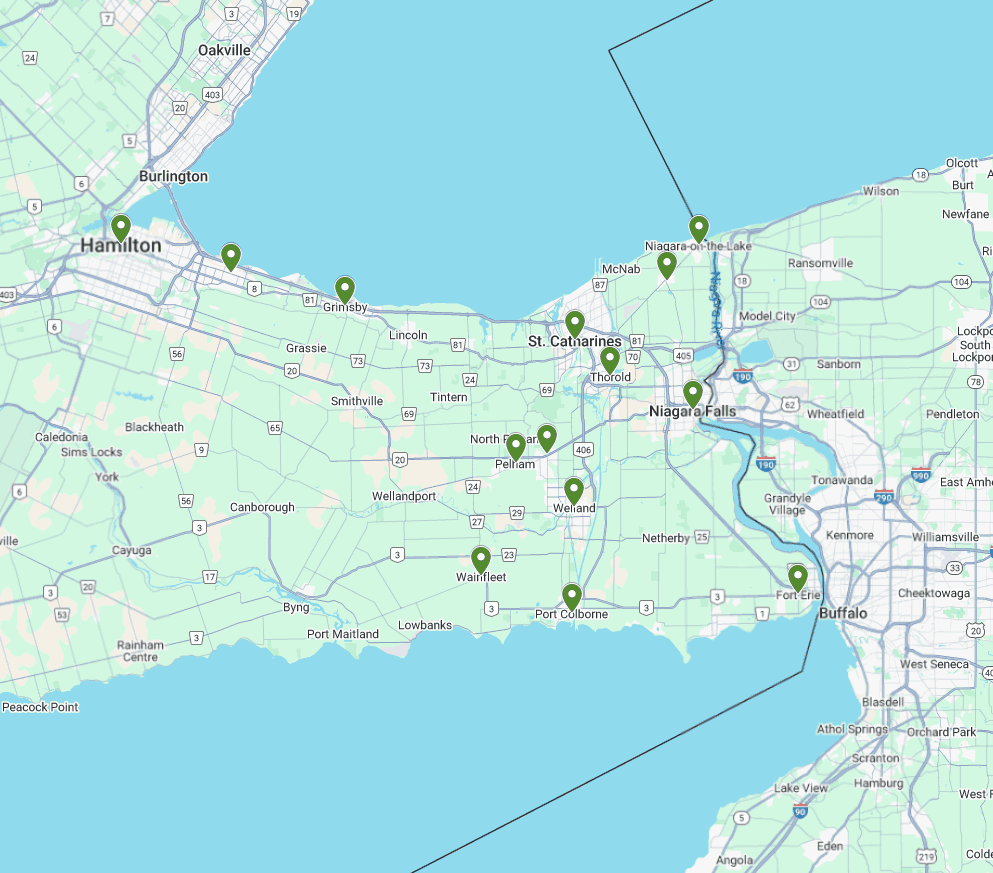
Our service areas encompass a wide range of locations, ensuring that we can meet the needs of our clients wherever they are. From bustling urban centers to serene rural landscapes, we are committed to providing top-notch services tailored to each unique environment.