



The HVAC Tune-Up for Wainfleet, ON homes delivers a thorough inspection, cleaning, adjustment, and performance testing to keep heating and air-conditioning systems safe, efficient, and reliable. It accounts for humid summers and cold winters, reducing breakdown risk and maintaining comfort. The service covers indoor and outdoor unit checks, filter recommendations, thermostat calibration, electrical and ignition inspections, coil and refrigerant checks, and condensate management, followed by tests that guide repairs. Regular Tune-Ups improve efficiency, extend equipment life, and lower long-term costs.

HVAC Tune-Up in Wainfleet, ON
A thorough HVAC Tune-Up is the best way to keep your heating and cooling system running efficiently, reliably, and safely through Wainfleet’s humid summers and cold winters. A seasonal tune-up addresses common wear and tear before it becomes an emergency, helps lower energy bills, and extends the life of your furnace, air conditioner, or heat pump. Below is a clear, expert breakdown of what a complete tune-up looks like for homes in Wainfleet, ON, what problems it prevents, and what you can expect afterwards.
Why a tune-up matters in Wainfleet
Wainfleet’s climate—humid summers, lake-effect humidity, and freezing winters—places extra stress on HVAC systems. High humidity encourages coil fouling and condensate clogs; cold snaps increase cycling and ignition strain on furnaces; agricultural dust and seasonal pollen mean filters and ducts can become restricted faster than in dryer regions. A tune-up tailored to these local conditions reduces breakdown risk and keeps indoor comfort steady.
What a full HVAC tune-up includes
A professional tune-up covers inspection, cleaning, adjustment, and performance testing. Typical inspection points and checks include:
- Visual inspection of indoor and outdoor units for corrosion, animal nests, and physical damage
- Filter check and recommendation for replacement or upgrade (MERV level guidance)
- Thermostat calibration and control verification
- Electrical system inspection — wiring, terminals, relays, capacitors, and fuses
- Blower and fan inspection — wheel/shaft condition and motor operation
- Combustion and venting check for gas furnaces (flame pattern, venting integrity, carbon monoxide concern)
- Burner and ignition inspection on furnaces and boilers
- Coil inspection for evaporator and condenser cleanliness and damage
- Refrigerant level check and basic leak symptom assessment (no refrigerant charging without diagnosis)
- Condensate drain and pan check to prevent overflow and microbial growth
- Ductwork spot check for obvious leaks, disconnected joints, and insulation issues
- Safety controls and limit switches for correct operation
Cleaning, lubrication, and adjustment tasks
A tune-up also involves hands-on cleaning and fine-tuning:
- Clean or blow out coils and condenser fins; straighten bent fins as needed
- Vacuum and wipe blower housing, accessible duct openings, and drain pans
- Clear condensate drains and treat trap lines if slime or buildup is present
- Lubricate motors and moving parts where applicable
- Tighten electrical connections and replace worn or frayed wiring components
- Adjust belt tension and replace belts if cracked or glazed
- Clean burners and pilot/ignition assemblies for steady combustion
- Replace disposable filters or recommend higher-efficiency filters based on your home’s needs
Performance testing and measurements
Technicians use simple performance tests to verify the system is operating efficiently and safely:
- Temperature split across evaporator coil (typical cooling delta: 15–20°C / 18–36°F) to check refrigerant and airflow balance
- Static pressure and airflow checks where necessary to identify duct or filter restrictions
- Electrical load and amperage readings to ensure motors are not overdrawn
- Refrigerant pressure readings to flag potential leaks or undercharge conditions
- Combustion analysis and CO spot checks on gas appliances to confirm safe operation
- Operational cycle test to observe start-up, run, and shut-down behavior
These measurements guide adjustments and identify issues that require repair rather than routine maintenance.
Recommended frequency
- Air conditioners and heat pumps: tune-up every spring before cooling season. Heat pumps also benefit from a fall check before heating season.
- Gas furnaces and boilers: tune-up every fall before heating season.
- Homes with heavy dust, pets, or allergy concerns: consider more frequent checks and filter changes (every 1–3 months).
- Older equipment (10+ years): semi-annual tune-ups are advisable because aging systems are more prone to component failure.
Expected outcomes and benefits
A properly performed tune-up produces measurable and practical benefits:
- Improved efficiency: typical seasonal tune-ups can reduce energy use by addressing airflow, refrigerant balance, and component wear — commonly improving system efficiency by several percent.
- Greater reliability: addressing worn parts and weak connections prevents many common mid-season breakdowns.
- Longer equipment life: regular cleaning and lubrication reduces stress on motors and heat exchangers.
- Better indoor air quality: clean coils, drains, and filters reduce dust, pollen, and biological growth in your system.
- Safer operation: combustion checks and CO spot tests reduce the risk of dangerous malfunctions.
- Lower long-term repair costs: early detection of small issues often avoids larger replacements later.
Common HVAC tune-up issues in Wainfleet, ON
- Condensate drain clogs caused by humidity and biological growth — especially common in summers
- Coil fouling from lake-effect moisture and seasonal pollen, reducing cooling capacity
- Short cycling in cold snaps when furnaces struggle with rapid temperature swings
- Refrigerant charge issues that may be discovered after heavy seasonal use
- Duct leakage in older homes — leading to uneven heating/cooling and higher bills
- Corrosion on outdoor units from proximity to lake moisture or road salt in winter
What to expect during a service visit
A typical tune-up visit lasts about 60–90 minutes for a single system. A professional technician will perform the inspection and tests, complete cleaning and adjustments, and provide a brief summary of findings. For any repairs or parts replacements beyond routine maintenance, a clear explanation of the issue and options for repair will usually be included.
Tips to extend the benefits of a tune-up
- Replace filters on a regular schedule; high-traffic homes may need monthly changes during peak seasons
- Keep outdoor units clear of debris and maintain a 1–2 metre clearance for airflow
- Use a programmable or smart thermostat to reduce unnecessary cycling
- Ensure vents and returns are unobstructed and furniture isn’t blocking airflow
- Enroll in a seasonal maintenance plan for reminders and priority scheduling
How to book a tune-upMost local HVAC providers in the Niagara region offer seasonal scheduling options, online booking, phone scheduling, and recurring maintenance plans that include seasonal reminders and service warranties. Ask about the scope of the tune-up so it matches your system type (furnace, air conditioner, or heat pump) and the unique climate demands of Wainfleet.
A well-executed HVAC tune-up tailored to Wainfleet conditions keeps your system efficient, dependable, and safe—protecting your comfort through the hottest summers and coldest winters.

Customer Testimonials

I had an issue with my hot water tank and called Niagara Home Heating. Their service was fantastic and reasonably priced—exactly how a business should be run!

I have used Niagara Home heating for multiple projects for over 16 years. John and his staff are absolutely the best. I tell all my friends and family about Niagara Home Heating because you won’t get any better service or pricing anywhere in Niagara. He has saved me thousands and thousands of dollars and has never let me down.
We had an amazing experience getting our new furnace installed with Niagara Home Heating. The owner was very helpful, their quote was more then competitive and the technician who installed the unit was professional and friendly. I would recommend their services.
Lifesavers!! The AC in our house decided to quit the day we were passing the keys to the new owners!! Instead of making a service call to the house, John coached me through the minor repair over the phone, saving me the money and time waiting for a repair person to come.Much appreciated! Thanks again John
I called John today at 2:pm as my AC was not working and I wasn’t expecting even a call back as I knew with this hot weather we have had he would be swamped with calls. Well he called me back and showed at 8:pm on the same day to fix my AC. That is just incredible service and how much John really cares about his clients. Thank you John !
Very efficient company. I needed an old solar water heater removed from my roof. They were quick to book an appointment for the next day after I sent photos. They were very knowledgeable of the issue. The 2 guys that came were friendly and competent with the job, including removal of all parts.

Service Areas
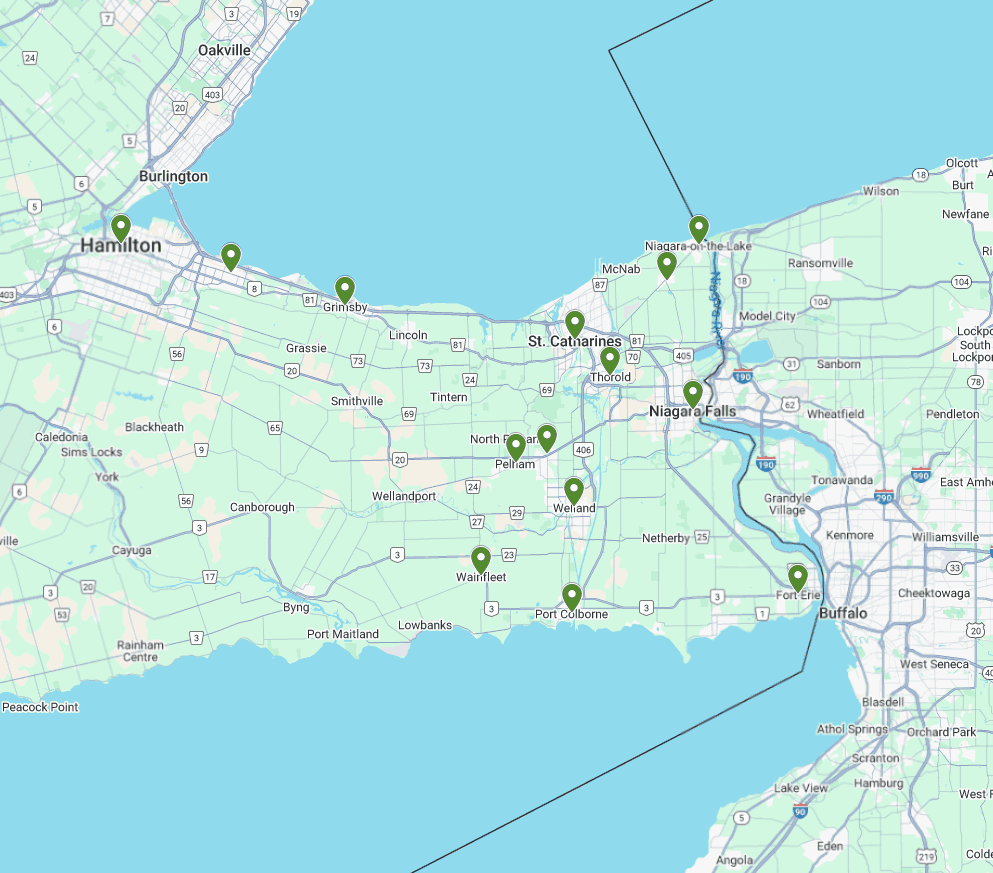
Our service areas encompass a wide range of locations, ensuring that we can meet the needs of our clients wherever they are. From bustling urban centers to serene rural landscapes, we are committed to providing top-notch services tailored to each unique environment.