



the HVAC replacement process for Wainfleet homeowners, from early indicators of end-of-life to selecting energy-efficient models and properly sizing systems. It covers system assessments, load calculations, and the importance of long-term performance, comfort, and humidity control. It also outlines removal and disposal practices, financing and rebates, installation timelines, warranty considerations, and post-install maintenance. By detailing expectations and steps, it helps readers make a low-risk decision that improves comfort, reliability, and energy savings.
-min.jpeg)
HVAC Replacement in Wainfleet, ON
Replacing an aging furnace, air conditioner or heat pump is a major decision for Wainfleet homeowners. With cold, lake-effect winters and humid summers near Lake Erie, the right HVAC replacement improves comfort, reduces energy bills, and prevents mid-winter breakdowns. how professional HVAC replacement works in Wainfleet, ON — from system assessments and end-of-life indicators to right-sizing, energy-efficient model choices, removal and disposal, financing and rebate assistance, installation timelines, and warranty details — so you can make an informed, low-risk decision.
Why Wainfleet homes often need replacement sooner
- Harsh winter temperatures and frequent cycling put extra stress on older furnaces and heat pumps.
- Humid summers increase air conditioner runtime and wear.
- Many local homes are older or under-insulated, creating larger heating and cooling loads that outpace undersized or aging equipment.
- Rising repair frequency and growing energy bills make replacement more cost-effective than ongoing fixes.
Common HVAC replacement reasons in Wainfleet
- Repeated breakdowns or repair bills that approach the value of a new system
- Increasing energy bills despite regular maintenance
- Uneven heating or cooling across rooms, persistent humidity or poor air quality
- Safety concerns such as cracked heat exchangers or carbon monoxide incidents
- Units reaching typical end-of-life: furnaces ~15–20 years, air conditioners ~10–15 years, heat pumps ~10–15 years (varying by maintenance and use)
System assessment and end-of-life indicators
A thorough replacement begins with a professional assessment that includes:
- Visual inspection of furnace, condenser, ductwork and controls
- Performance testing: airflow, temperature split, combustion safety and electrical load
- Review of repair history and operating costs
Key end-of-life indicators: - Frequent, costly repairs or part failures
- Loss of capacity (home no longer reaches set temperature reliably)
- Loud, unusual noises or visible corrosion and rust
- Yellow, sooty flame or intermittent burner operation (safety concern)
- Rising fuel or electricity bills without change in usage
Load calculations and right-sizing
Proper sizing is critical. An industry-standard load calculation looks at your home’s square footage, insulation levels, windows, orientation, air infiltration and local climate. The result determines the correct heating and cooling capacity for your home.
- Undersized systems struggle to meet temperature demand and run constantly.
- Oversized systems short-cycle, causing higher energy use, increased wear, humidity problems and poor comfort.
Right-sizing ensures the new system runs efficiently, maintains consistent temperatures, and delivers proper humidity control — especially important in Wainfleet’s humid summer months.
Energy-efficient model options for Wainfleet homes
Energy-efficient equipment reduces operating costs and improves comfort:
- High-efficiency gas furnaces with AFUE ratings of 95%+ for better winter performance
- Variable-speed or two-stage furnaces and air handlers for quieter operation and tighter temperature control
- High-SEER central air conditioners and variable-capacity heat pumps for lower cooling costs in summer
- Cold-climate heat pumps as a strong alternative for many Niagara Region homes, with improved winter performance compared to older heat pumps
- Smart thermostats and ECM blower motors to optimize runtime and reduce energy useChoosing the right efficiency level depends on your fuel type, insulation, budget and how long you plan to remain in the home. Local installers can show projected energy savings for typical Wainfleet usage.
Removal, disposal and environmental practices
Responsible replacement includes safe removal and disposal:
- Proper recovery of refrigerants from air conditioners and heat pumps to meet environmental regulations
- Recycling of scrap metal and packaging materials
- Safe disposal of oil or old gas furnace components per local guidelines
Professional installers follow provincial and federal requirements for refrigerant handling and disposal documentation.
Financing, rebates and paperwork assistance
Many Wainfleet homeowners offset replacement costs through financing and incentives:
- Low-interest financing or payment plans offered by equipment manufacturers or local lenders
- Provincial and federal rebate programs and utility incentives that apply to energy-efficient furnaces, heat pumps and insulation upgrades
- Help with paperwork: eligible systems must often meet specific efficiency criteria and documentation requirements; professional installers typically prepare rebate forms and register warranties on your behalf
When evaluating options, compare the net cost after incentives and projected operating savings to understand true value.
Typical installation timeline and what to expect
A transparent timeline reduces disruption:
- Initial assessment and quote: same-day to within a week depending on scheduling
- Final sizing, product selection and scheduling: 1–2 weeks (depends on equipment availability)
- Equipment delivery and installation: most straight replacements are completed in one full day; complex retrofits, ductwork changes or system conversions can take 2–3 days
- Startup, balancing and customer walkthrough: technicians verify performance, explain controls and register warranties before leaving
Seasonal demand can affect lead times; planning ahead of peak winter or summer months helps avoid delays.
Warranty coverage and long-term care
Understand the warranty landscape:
- Manufacturer warranties typically cover parts for a set period (commonly 5–10 years; heat exchanger warranties may be longer).
- Labour warranties vary by installer and can extend coverage for installation-related issues.
- Extended warranties and maintenance plans can be purchased for additional protection.
Register equipment promptly to activate full warranty benefits and keep records of professional maintenance. Regular annual tune-ups preserve efficiency, reduce breakdown risk, and protect warranty eligibility.
Long-term benefits and maintenance tips
Replacing your HVAC with a properly sized, efficient system yields:
- Lower heating and cooling bills and better humidity control
- Improved comfort and quieter operation year-round
- Increased home value and reduced risk of emergency repairs
Maintenance tips for longevity: - Schedule annual or semi-annual professional tune-ups (heating in fall, cooling in spring)
- Replace filters regularly and ensure vents are unobstructed
- Keep outdoor equipment clear of vegetation and snow build-up in winter
A carefully executed replacement balances immediate comfort needs with long-term energy savings and reliability in Wainfleet’s climate. The right assessment, correct sizing, modern equipment selection, responsible disposal and clear warranty coverage make replacement a sound investment for local homeowners.

Customer Testimonials

Lifesavers!! The AC in our house decided to quit the day we were passing the keys to the new owners!! Instead of making a service call to the house, John coached me through the minor repair over the phone, saving me the money and time waiting for a repair person to come.Much appreciated! Thanks again John

I have used Niagara Home heating for multiple projects for over 16 years. John and his staff are absolutely the best. I tell all my friends and family about Niagara Home Heating because you won’t get any better service or pricing anywhere in Niagara. He has saved me thousands and thousands of dollars and has never let me down.
Very efficient company. I needed an old solar water heater removed from my roof. They were quick to book an appointment for the next day after I sent photos. They were very knowledgeable of the issue. The 2 guys that came were friendly and competent with the job, including removal of all parts.
I had an issue with my hot water tank and called Niagara Home Heating. Their service was fantastic and reasonably priced—exactly how a business should be run!
We had an amazing experience getting our new furnace installed with Niagara Home Heating. The owner was very helpful, their quote was more then competitive and the technician who installed the unit was professional and friendly. I would recommend their services.
I called John today at 2:pm as my AC was not working and I wasn’t expecting even a call back as I knew with this hot weather we have had he would be swamped with calls. Well he called me back and showed at 8:pm on the same day to fix my AC. That is just incredible service and how much John really cares about his clients. Thank you John !

Service Areas
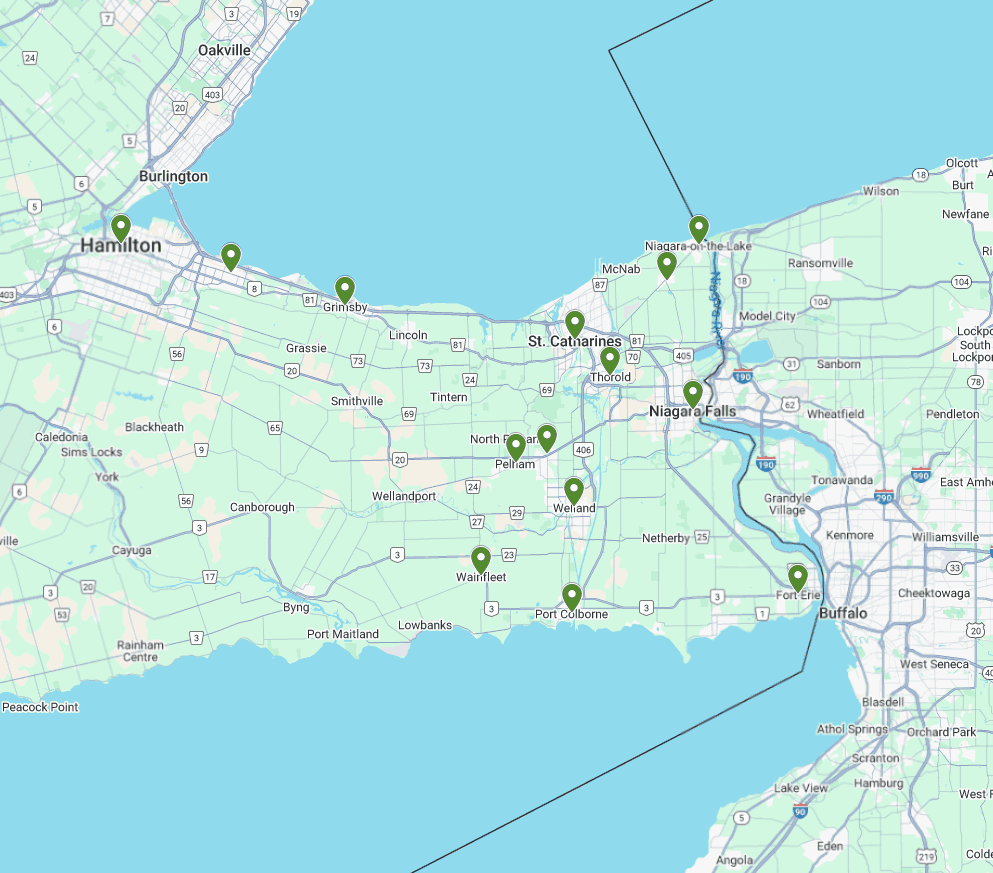
Our service areas encompass a wide range of locations, ensuring that we can meet the needs of our clients wherever they are. From bustling urban centers to serene rural landscapes, we are committed to providing top-notch services tailored to each unique environment.