



Emergency HVAC Service in Welland, ON delivers 24/7 rapid-response heating and cooling support for immediate safety and comfort. It describes common local emergencies, on-site diagnostics, containment and temporary measures, and transparent pricing with up-front estimates. Technicians conduct safety checks, gas and CO assessments, leak containment, and rapid repairs or expedited replacements when needed. Local parts access, qualified, insured technicians, and post-repair follow-up ensure reliable operation. Instructions to request help and steps to minimize damage guide the customer through the crisis.
-min.jpeg)
Emergency HVAC Service in Welland, ON
When your heating or cooling system fails unexpectedly, you need a dependable 24/7 emergency HVAC service that responds quickly, diagnoses accurately, and restores safety and comfort with minimal disruption. Emergency HVAC Service in Welland, ON is tailored to local weather extremes — cold, snowy winters and humid summer heat — and to the common building types in the area, from older Welland homes to small commercial properties along the canal. what to expect from emergency HVAC response, common local emergencies, on-site procedures, safety measures, pricing transparency, technician qualifications, and practical steps to reduce damage while you wait for help.
Common Emergency HVAC scenarios in Welland, ON
- Furnace failure or no heat during freezing temperatures
- Complete air conditioner or heat pump breakdowns during heat waves and high-humidity days
- Natural gas odors, suspected gas leaks, or pilot light failures
- Carbon monoxide (CO) alarm activation or suspected CO exposure
- Electrical faults causing intermittent operation or system shutdowns
- Refrigerant leaks or compressor failure on air conditioners and heat pumps
- Flooding or water leaks from condensate lines, pans, or ruptured hot water tanks
- Power outage related issues and generator transfer problems
These scenarios are especially urgent in Welland where prolonged cold or heat can quickly create health risks and property damage.
Rapid-response protocols and expected response times
Emergency HVAC teams prioritize safety triage on the first contact. Typical rapid-response protocols include:
- Immediate phone triage to identify life-safety issues (gas odor, CO alarm, loss of heat in extreme cold)
- Dispatch of a qualified technician with the appropriate tools and parts from mobile inventory
- Estimated local response time windows based on location and time of day; standard local response within roughly 60 to 90 minutes in Welland, with slightly longer times for outlying properties
Dispatchers collect key details up front to send the right technician and equipment, reducing time on site and improving the chance of same-day resolution.
On-site diagnostic and repair procedures
Emergency HVAC diagnostics focus on safety, speed, and accuracy:
- Safety check and scene assessment: confirm CO levels, gas presence, potential electrical hazards, and occupant safety
- System isolation: shut off gas or electrical supply where required to prevent further risk
- Targeted diagnostics: combustion analysis on furnaces, refrigerant pressure checks on AC systems, electrical testing, and visual inspection for obvious failures
- Immediate containment or temporary fixes: isolate leaks, seal refrigerant lines temporarily when safe, or provide a temporary heating solution while planning permanent repair
- Repair or emergency replacement: replace failed components (fan motors, ignitors, control boards, compressors) when possible, or recommend expedited replacement if repair is unsafe or impractical
- Post-repair testing: verify safe operation, perform CO and combustion tests, confirm proper thermostat control and system cycling
- Documentation: provide a clear written or digital report of findings, work completed, and next recommended steps
Technicians balance quick restoration with long-term reliability and safety; when a temporary repair is used, a timeline and follow-up plan are documented.
Temporary safety measures and containment
To protect people and property before full repairs can be completed, emergency teams may:
- Shut off gas at the meter and ventilate the area if gas odor is present
- Power-down unsafe electrical components and tag them out of service
- Contain refrigerant leaks following environmental regulations and arrange proper recovery
- Place drain pumps or temporary piping to prevent condensate overflow
- Recommend safe temporary heating options where heat is lost, along with guidance on safe generator use
Occupant safety is always the first priority; emergency crews will explain any temporary constraints and next steps clearly.
Parts availability and emergency replacements
Effective emergency response depends on parts logistics:
- Technicians carry common emergency parts on service trucks for furnaces, heat pumps, and air conditioners
- Established supplier relationships across the Niagara Region enable same-day parts drops or expedited deliveries when specialized components are needed
- Options are presented for temporary repairs, used-or-refurbished parts where appropriate, or full OEM replacements, with pros and cons explained
This mix of mobile inventory and supplier access increases the likelihood of same-day resolution for many emergencies in Welland.
Transparent emergency pricing and estimates
Emergency service pricing is explained upfront before work begins. Customers receive:
- A clear breakdown of emergency service fees, diagnostic charges, parts, and labor components
- Explanation of any after-hours or expedited-sourcing surcharges and why they apply
- An on-site estimate for recommended repairs or replacements, so decisions can be made with full cost visibility
Estimates focus on safety-driven options and the long-term value of repairs versus replacement, without hidden fees.
Technician qualifications and standards
Emergency HVAC technicians working on high-risk issues in Welland should meet rigorous standards:
- Provincial licensing and certifications for gas, refrigeration, and electrical work where required
- Training in carbon monoxide testing, combustion analysis, refrigerant handling (environmental certification), and current safety protocols
- Insured and bonded status with background checks and ongoing professional development
- Use of personal protective equipment and adherence to code and regulatory requirements
Qualified technicians ensure emergency work complies with local safety codes and best practices.
Warranty and post-repair follow-up
Emergency repairs come with clear warranty terms on labor and replacement parts. Post-repair follow-up typically includes:
- A scheduled inspection to confirm the repair is holding and the system is performing efficiently
- Documentation of warranty coverage and registration for replacement parts where applicable
- Recommendations for preventive maintenance to reduce future emergency risk
Follow-up helps turn an urgent repair into a longer-term solution.
How to request immediate assistance and what information to have ready
Emergency HVAC assistance is available through standard phone dispatch or an online scheduling/dispatch channel. When requesting help, have these details ready:
- Full service address and any access instructions
- Brief description of symptoms (no heat, gas smell, CO alarm, water leak, etc.)
- System type and brand if known (furnace, heat pump, central AC)
- Any active alarms (CO detector, gas detector) and whether occupants are experiencing symptoms
Clear initial information helps dispatch the right technician and equipment faster.
Tips to minimize damage while waiting for help
- If there is a gas odor, evacuate occupants and ventilate the area without operating electrical switches; notify utility emergency services if required
- For CO alarm activation, leave the building immediately and get fresh air; do not re-enter until cleared by a qualified technician
- Shut off the furnace or AC at the thermostat and service switch if you suspect electrical issues to avoid further damage
- Contain water leaks with buckets and towels and move valuables away from affected areas
- Use safe, certified portable heaters only as temporary measures and follow manufacturer instructions closely
Acting quickly and safely can reduce health risks and limit property damage before the technician arrives.
Emergency HVAC Service in Welland, ON is about fast, safe, and competent response to protect your family, employees, and property. Professional emergency protocols, experienced technicians, transparent estimates, and practical interim guidance combine to resolve urgent heating and cooling failures while minimizing risk and downtime.

Customer Testimonials

We had an amazing experience getting our new furnace installed with Niagara Home Heating. The owner was very helpful, their quote was more then competitive and the technician who installed the unit was professional and friendly. I would recommend their services.

Very efficient company. I needed an old solar water heater removed from my roof. They were quick to book an appointment for the next day after I sent photos. They were very knowledgeable of the issue. The 2 guys that came were friendly and competent with the job, including removal of all parts.
I called John today at 2:pm as my AC was not working and I wasn’t expecting even a call back as I knew with this hot weather we have had he would be swamped with calls. Well he called me back and showed at 8:pm on the same day to fix my AC. That is just incredible service and how much John really cares about his clients. Thank you John !
I have used Niagara Home heating for multiple projects for over 16 years. John and his staff are absolutely the best. I tell all my friends and family about Niagara Home Heating because you won’t get any better service or pricing anywhere in Niagara. He has saved me thousands and thousands of dollars and has never let me down.
I had an issue with my hot water tank and called Niagara Home Heating. Their service was fantastic and reasonably priced—exactly how a business should be run!
Lifesavers!! The AC in our house decided to quit the day we were passing the keys to the new owners!! Instead of making a service call to the house, John coached me through the minor repair over the phone, saving me the money and time waiting for a repair person to come.Much appreciated! Thanks again John

Service Areas
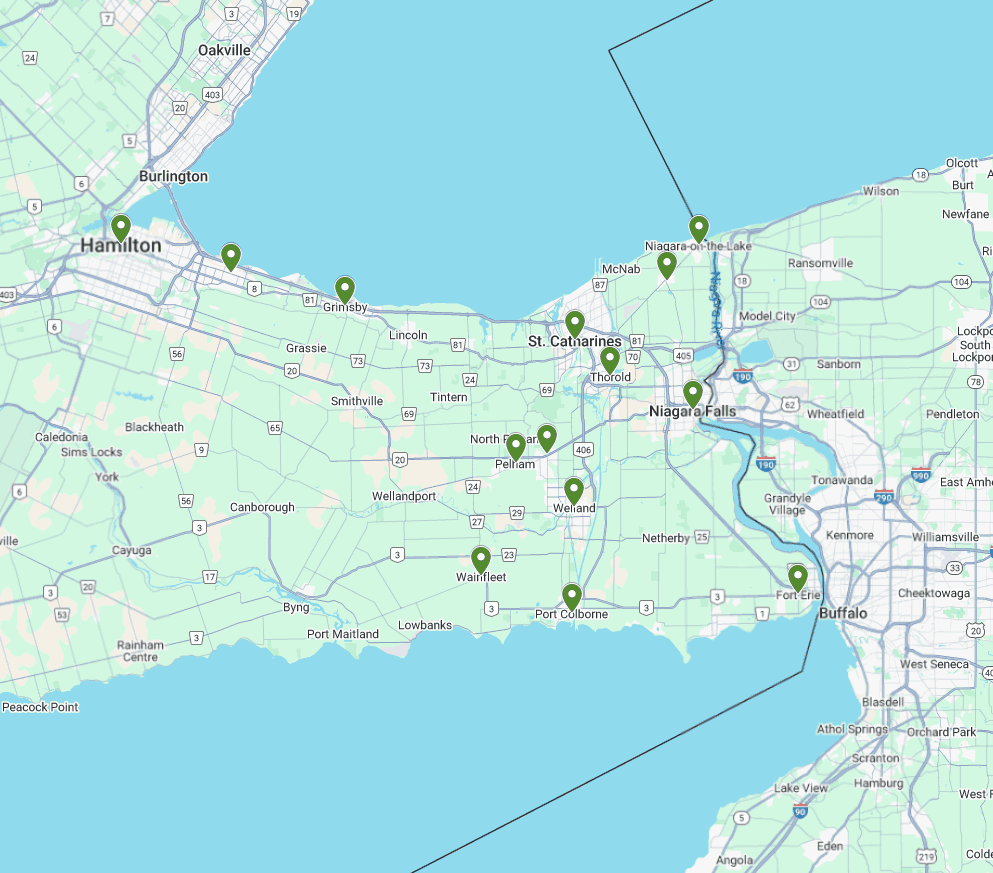
Our service areas encompass a wide range of locations, ensuring that we can meet the needs of our clients wherever they are. From bustling urban centers to serene rural landscapes, we are committed to providing top-notch services tailored to each unique environment.