



HVAC replacement in Welland, ON offers a comprehensive guide for homeowners on when to replace, how to choose appropriately sized systems, and how to compare energy-efficient options. It covers rebates and financing, the step-by-step replacement process, proper removal and disposal practices, and warranty considerations. The guide outlines typical timelines from assessment to installation, describes the importance of professional sizing, and emphasizes long-term value through reliability, efficiency, and informed decision-making for Welland residences facing changing weather patterns.
HVAC Replacement in Welland, ON
Replacing an HVAC system is one of the most important home investments you can make for comfort, energy savings, and long-term reliability. For Welland, ON homeowners, local weather patterns—cold, snowy winters and humid summers influenced by the nearby Great Lakes—make the right heating and cooling solution essential. how to know when it’s time for an HVAC replacement, how systems are selected and sized, comparisons of energy-efficient options, available rebate and financing assistance, the step-by-step replacement process, removal and disposal practices, warranty choices, and realistic timelines for installation.
Is it time to replace your HVAC system?
Look for these clear signs that replacement is the smarter choice than repair:
- System age: Furnaces and air conditioners older than 15 years commonly need replacement; heat pumps may be nearing end of life after 10–15 years depending on use.
- Rising energy bills: A steady increase in heating or cooling costs despite routine service indicates declining efficiency.
- Frequent breakdowns: Recurring repairs are a major indicator that components are wearing out.
- Uneven comfort or poor airflow: Rooms that never get warm or cool point to failing equipment or undersized systems.
- Excessive noise or visible corrosion: Loud operation, rust, or leaking often mean internal damage.
- Indoor air quality problems: Persistent dust, humidity, or musty smells can signal an aging system or failing filtration.
- Safety or performance concerns: Yellow burner flames, frequent pilot outages, or refrigerant leaks require immediate professional evaluation and often replacement.
Choosing the right system and proper sizing
Correct equipment selection and accurate sizing are critical to performance and efficiency:
- Load calculation (Manual J): A professional heat-loss and heat-gain calculation checks insulation, windows, occupancy, and orientation to determine proper capacity. Oversized units short-cycle and underperform; undersized units run constantly.
- Ductwork evaluation: Duct leaks, poor insulation, or undersized ducts reduce efficiency. Duct repair, sealing, or redesign is often part of a replacement project in Welland homes—especially older properties.
- System type: Options include high-efficiency furnaces, central air conditioners, cold-climate heat pumps, ductless mini-splits, or hybrid systems (furnace + heat pump). Each has advantages depending on budget, space, and fuel availability.
- Controls and zoning: Smart thermostats and zoning can improve comfort and reduce operating costs by matching conditioning to actual occupancy patterns.
Energy-efficient model comparisons
Understanding efficiency metrics helps you compare options:
- Furnaces: Look at AFUE (annual fuel utilization efficiency). Modern condensing furnaces often exceed 95% AFUE, significantly reducing natural gas use during Welland winters.
- Air conditioners: SEER (seasonal energy efficiency ratio) and EER quantify cooling efficiency. Higher SEER ratings mean lower summer energy use—valuable given humid Niagara summers.
- Heat pumps: HSPF and COP measure heating performance. Cold-climate heat pumps maintain efficiency at lower temperatures and can substantially cut heating costs by leveraging electricity rather than combustion.
- Ductless systems: Offer high efficiencies for room-by-room control and are ideal where ductwork is limited.
- ENERGY STAR and long-term savings: Choosing higher-efficiency equipment reduces operating costs and can shorten the payback period, especially when paired with proper sizing and duct sealing.
Rebates and financing assistance
Homeowners in Welland may be eligible for multiple forms of financial support:
- Government and utility incentives: Federal and provincial programs, plus local utility rebates, frequently offset part of the equipment cost for energy-efficient furnaces, heat pumps, and insulation upgrades.
- Manufacturer and dealer promotions: Some equipment manufacturers offer rebates or extended warranty registration incentives.
- Financing options: Low-interest loans, payment plans, and deferred-payment programs can spread the upfront cost. Many homeowners combine financing with rebate credits to reduce net expense.
- Paperwork support: Proper application for rebates often requires documentation such as energy assessments and equipment specifications. Expect certified technicians to help prepare required forms and performance documentation.
Step-by-step replacement process
A typical, professional HVAC replacement follows a clear sequence:
- Initial assessment and quote: Technician inspects existing equipment, ducts, and electrical/gas connections and performs a load calculation.
- System selection and proposal: Options and efficiency comparisons are provided, including expected operating costs and estimated incentives.
- Scheduling and prep: Equipment is ordered and homeowners are briefed on access, pets, and protection of floors and furniture.
- Removal of old equipment: Certified technicians disconnect and safely remove the old unit, reclaiming refrigerant as required by regulation.
- Installation and ductwork work: New equipment is set, duct modifications or sealing performed, electrical/gas connections made, and condensate/drain systems installed.
- Startup and commissioning: System is charged, balanced, and tested; thermostats and controls are programmed for optimal performance.
- Walkthrough and documentation: Homeowner receives system operation guidance, warranty documents, and any rebate paperwork.
- Follow-up service: A post-install check verifies system performance after initial run-in.
Removal, disposal, and environmental considerations
Proper disposal is part of a responsible replacement:
- Refrigerant recovery: Refrigerant must be captured and recycled by certified technicians in compliance with Ontario and federal regulations.
- Recycling metal and components: Metal, PCB boards, and other materials are recycled whenever possible.
- Safe disposal of oils and salts: Combustion byproducts and oils are handled under hazardous-waste guidelines to protect soil and water.
- Documentation: Disposal receipts and recovered refrigerant logs are often provided for rebate and regulatory compliance.
Warranty options and what they mean
Understanding warranties protects your investment:
- Manufacturer warranties: Typically cover specific components (compressor, heat exchanger, control boards) for a set term. Some high-efficiency models include longer coverage on major components.
- Labor warranties: Installation labor warranties cover workmanship for a defined period when offered by certified installers.
- Extended warranties and registrations: Registering equipment with the manufacturer and purchasing extended plans can extend coverage but review terms for exclusions and required maintenance schedules.
- Maintenance requirements: Warranties often require annual service by a certified technician to remain valid.
Typical timelines and what to expect
- Straightforward replacements: For standard furnace or AC swaps with existing compatible ductwork, expect a one-day installation.
- Complex projects: Installing heat pumps, replacing ductwork, adding zoning, or working in older Welland homes may take 2–3 days.
- Permits and lead times: Equipment availability and municipal permits can extend timelines. Plan ahead for peak seasons—late summer and early fall for cooling work, and late fall before heating season for furnaces and heat pumps.
Replacing your HVAC system is a technical and practical decision that affects comfort, energy bills, and home value—especially in Welland where weather extremes demand reliable equipment. A properly sized, professionally installed, energy-efficient system with appropriate warranties and supported by available rebates will deliver the best long-term performance for your home.

Customer Testimonials

I have used Niagara Home heating for multiple projects for over 16 years. John and his staff are absolutely the best. I tell all my friends and family about Niagara Home Heating because you won’t get any better service or pricing anywhere in Niagara. He has saved me thousands and thousands of dollars and has never let me down.

We had an amazing experience getting our new furnace installed with Niagara Home Heating. The owner was very helpful, their quote was more then competitive and the technician who installed the unit was professional and friendly. I would recommend their services.
I had an issue with my hot water tank and called Niagara Home Heating. Their service was fantastic and reasonably priced—exactly how a business should be run!
I called John today at 2:pm as my AC was not working and I wasn’t expecting even a call back as I knew with this hot weather we have had he would be swamped with calls. Well he called me back and showed at 8:pm on the same day to fix my AC. That is just incredible service and how much John really cares about his clients. Thank you John !
Very efficient company. I needed an old solar water heater removed from my roof. They were quick to book an appointment for the next day after I sent photos. They were very knowledgeable of the issue. The 2 guys that came were friendly and competent with the job, including removal of all parts.
Lifesavers!! The AC in our house decided to quit the day we were passing the keys to the new owners!! Instead of making a service call to the house, John coached me through the minor repair over the phone, saving me the money and time waiting for a repair person to come.Much appreciated! Thanks again John

Service Areas
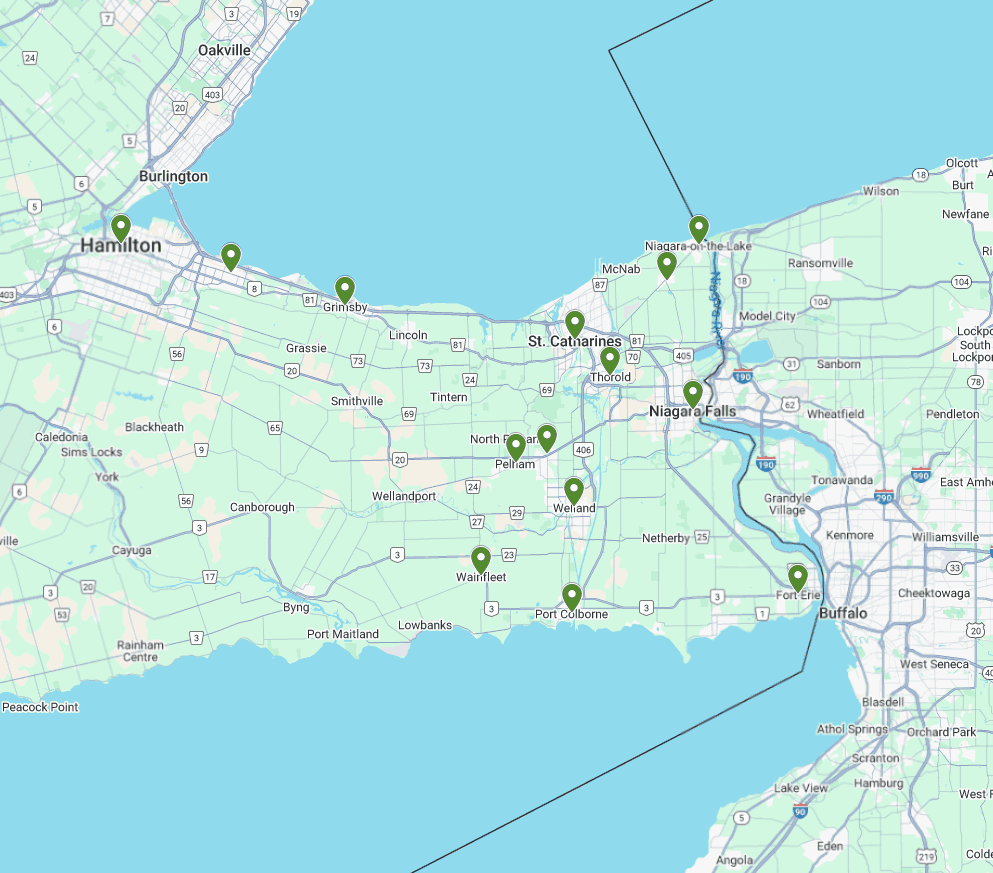
Our service areas encompass a wide range of locations, ensuring that we can meet the needs of our clients wherever they are. From bustling urban centers to serene rural landscapes, we are committed to providing top-notch services tailored to each unique environment.