



It describes common mini split AC problems in St Catharines, how technicians diagnose and repair them, and what to expect during service. It covers symptoms, diagnostic steps, typical repairs, warranty considerations, and cost ranges, with emphasis on durability and efficiency for Niagara's humid climate. Homeowners learn preventative maintenance, emergency options, and scheduling tips to minimize downtime. Clear, professional recommendations help readers understand when to repair versus replace and how to prepare for a service visit.
.jpeg)
Mini Split Ac Repair in St Catharines, ON
Mini split systems are a common cooling and heating solution in St Catharines homes because they deliver efficient, zone-controlled comfort without ductwork. When a mini split stops performing or shows warning signs, timely, expert repair preserves efficiency, prevents costly component failures, and keeps indoor air comfortable through the humid Niagara summers and variable shoulder seasons. Below you will find a clear guide to common mini split AC problems in St Catharines, how technicians diagnose and fix them, what repairs typically involve, emergency response options, warranty expectations, and practical preventative steps to extend system life.
Common mini split AC problems and symptoms in St Catharines
St Catharines’ humid summers and freeze-thaw cycles can exacerbate specific mini split issues. Look for these symptoms:
- Loss of cooling or weak airflow: indoor unit runs but blows warm or only slightly cool air.
- Unusual noises: rattling, grinding, or high-pitched whine from indoor or outdoor units.
- Water leaks or excessive condensation: pooled water around the indoor unit, overflowing drain lines, or dripping from the ceiling.
- Compressor or inverter faults: outdoor unit not running, repeated on/off cycles, or fault codes displayed on the indoor controller.
- Odors or mold growth: musty smells from the indoor unit or clogged drain lines due to high local humidity.
- Intermittent operation or thermostat/remote control failures: units that won’t respond to controls or operate unpredictably.
Diagnostics and troubleshooting procedures
Professional diagnosis follows a systematic process to find root causes rather than chasing symptoms:
- Visual inspection: check indoor and outdoor units for physical damage, blocked condensers, pest nests, and drain issues.
- Electrical checks: verify voltage, continuity, capacitor and contactor condition, and inspect control wiring and fuses.
- Refrigerant diagnostics: measure pressures and temperatures to determine proper charge, look for signs of leaks, and calculate superheat/subcooling.
- Fault code review: read inverter/compressor and indoor unit error codes and cross-check with manufacturer documentation.
- Airflow and coil assessment: test blower operation, inspect evaporator/condenser coils for icing or debris, and measure airflow and static pressure.
- Leak detection and dye or electronic testing: when refrigerant loss is suspected, technicians locate and assess leak severity and accessibility.
Clear diagnosis informs whether a targeted repair will restore reliable operation or whether major component replacement is a more cost-effective, long-term choice.
Typical repair services and what they include
Mini split repairs range from simple adjustments to complex component replacements. Common services performed in St Catharines homes include:
- Refrigerant leak detection and repair: locating leaks in lines, fittings, or coils and performing sealed repairs; recovery, evacuation, and recharge to proper manufacturer charge levels when required.
- Drain and condensate system repairs: clearing or replacing clogged drain lines, resetting or replacing condensate pumps, and treating microbial growth to stop leaks and odors.
- Electrical and control repairs: replacing capacitors, contactors, relays, fuses, and touchscreen or remote controllers; correcting loose connections and addressing intermittent controller faults.
- Fan and motor repair or replacement: indoor blower motors, fan assemblies, and outdoor condenser fan repairs to restore proper airflow.
- Inverter board and compressor diagnostics/repairs: assessing inverter faults, replacing control boards when serviceable, and evaluating compressor health. In some cases, compressor replacement may be necessary; technicians will assess repairability and recommend the most durable solution.
- Sensor and expansion device replacement: faulty temperature sensors or expansion valves that cause erratic cooling are commonly replaced to restore stable system operation.
Technicians in the Niagara region will recommend repairs that maximize lifespan while considering system age, availability of parts, and long-term efficiency.
Response times and emergency service options
Prompt response is important when cooling failures affect comfort or safety. Typical service options include same-day or next-day appointments during normal business hours for non-emergencies, with priority or after-hours service available for urgent situations such as loss of cooling during extreme heat, businesses with critical temperature needs, or vulnerable occupants. Response capability depends on technician availability and parts on hand; field technicians often carry common components for faster repairs.
Repair warranties and cost expectations
Repair work typically comes with a workmanship warranty for a defined period and may include manufacturer parts warranties if new components are used. Warranty length and coverage vary by part and manufacturer; for example, electrical parts and labor are often covered under separate terms from sealed system components. When evaluating repair vs replacement, consider overall system age, efficiency gains from newer systems, and long-term reliability in St Catharines’ climate. Minor repairs and maintenance are usually more economical than major sealed-system work, while compressor or inverter failures can approach the cost of a replacement in older systems.
Preventative measures to reduce breakdowns
Preventative care significantly reduces emergency repairs and keeps mini splits efficient in St Catharines’ humid environment:
- Schedule seasonal maintenance: clean coils, check refrigerant levels, inspect electrical connections, and test controls before peak cooling season.
- Keep outdoor units clear: remove leaves, grass, and debris; ensure at least recommended clearance for airflow.
- Maintain proper drainage: inspect and clean condensate lines and pans annually to prevent clogs and microbial growth.
- Use recommended filters and clean them regularly: this prevents airflow restriction and contamination of coils.
- Protect units in winter: shield outdoor units from heavy snow and ice while allowing ventilation; follow manufacturer guidance for freeze-season operation.
How to schedule service and what to prepare
When arranging repair service, have the following ready for a smoother appointment and faster diagnosis: system make and model, age of the mini split, description of symptoms, any fault codes displayed, and whether the issue is intermittent or continuous. Scheduling options typically include standard business-hour visits and priority slots for urgent issues. A clear description of the problem and recent maintenance history helps technicians bring appropriate tools and parts.
ConclusionProperly diagnosed and professionally repaired mini split systems deliver reliable cooling and efficient zone control through St Catharines’ hot, humid summers and changeable seasons. Understanding common symptoms, diagnostic steps, typical repairs, warranty realities, and preventative actions helps homeowners and businesses make informed decisions that protect comfort and investment over the long term.

Customer Testimonials

Lifesavers!! The AC in our house decided to quit the day we were passing the keys to the new owners!! Instead of making a service call to the house, John coached me through the minor repair over the phone, saving me the money and time waiting for a repair person to come.Much appreciated! Thanks again John

I had an issue with my hot water tank and called Niagara Home Heating. Their service was fantastic and reasonably priced—exactly how a business should be run!
We had an amazing experience getting our new furnace installed with Niagara Home Heating. The owner was very helpful, their quote was more then competitive and the technician who installed the unit was professional and friendly. I would recommend their services.
I have used Niagara Home heating for multiple projects for over 16 years. John and his staff are absolutely the best. I tell all my friends and family about Niagara Home Heating because you won’t get any better service or pricing anywhere in Niagara. He has saved me thousands and thousands of dollars and has never let me down.
Very efficient company. I needed an old solar water heater removed from my roof. They were quick to book an appointment for the next day after I sent photos. They were very knowledgeable of the issue. The 2 guys that came were friendly and competent with the job, including removal of all parts.
I called John today at 2:pm as my AC was not working and I wasn’t expecting even a call back as I knew with this hot weather we have had he would be swamped with calls. Well he called me back and showed at 8:pm on the same day to fix my AC. That is just incredible service and how much John really cares about his clients. Thank you John !

Service Areas
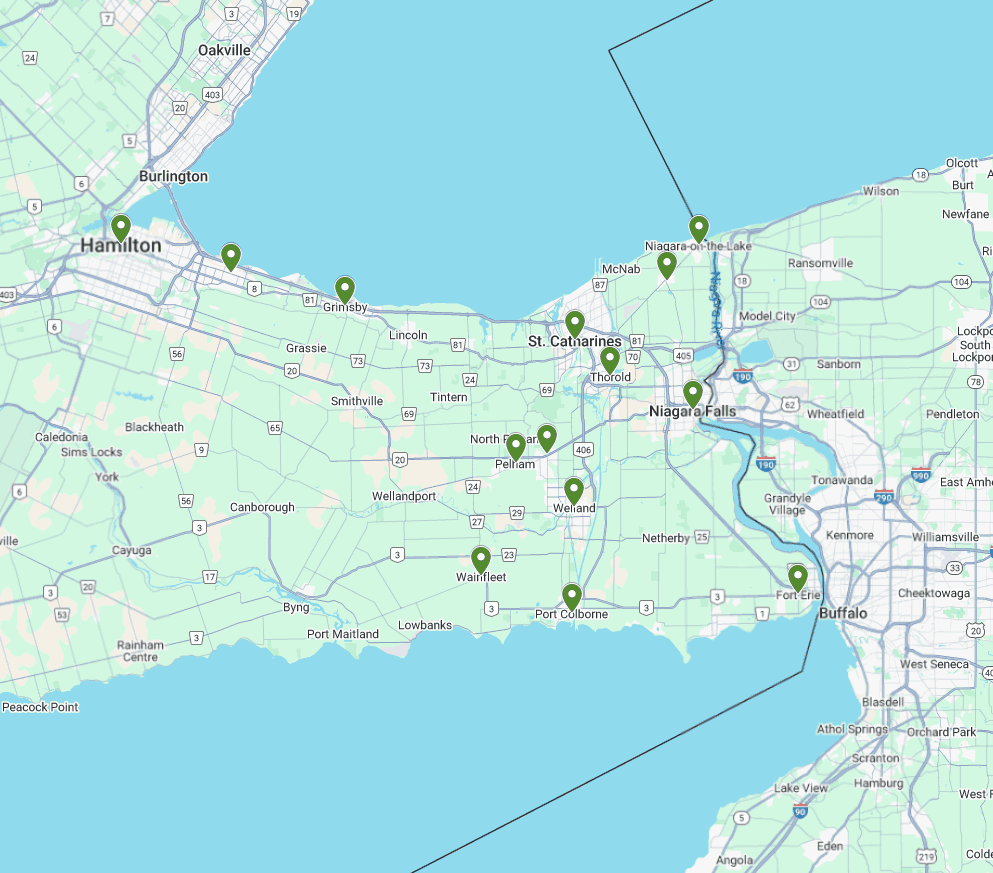
Our service areas encompass a wide range of locations, ensuring that we can meet the needs of our clients wherever they are. From bustling urban centers to serene rural landscapes, we are committed to providing top-notch services tailored to each unique environment.