



Ductless mini-split air conditioning installation in St Catharines, ON, highlighting key benefits, sizing considerations, available options, and the installation process. It describess zoned comfort, energy efficiency, and compact installation suitable for heritage homes and tight remodels, plus high-efficiency heat pump options and features to expect from reputable brands. It also covers installer evaluation steps, site preparation, warranties, financing options, and maintenance guidance to help homeowners plan, budget, and ensure reliable year-round comfort.
.jpeg)
Mini Split Ductless Ac in St Catharines, ON
Ductless mini-split AC systems are a compact, efficient way to cool and heat individual rooms or zones without extending or altering existing ductwork. For homeowners in St Catharines, ON, where warm, humid summers alternate with cool shoulder seasons, a ductless mini-split offers precise comfort control, lower operating costs compared with window units, and flexible installation in older or renovated properties that lack usable ducts.
What a ductless mini-split system is and why it matters in St Catharines
A mini-split system consists of one outdoor condenser and one or more indoor air handlers connected by a small refrigerant line and condensate drain. Key benefits for St Catharines homes include:
Zoned comfort: Independently control temperatures in living rooms, bedrooms, basements or additions.
Energy efficiency: Inverter-driven compressors modulate power to meet demand, reducing runtime and energy use in a climate with both hot summers and cool evenings.
Compact installation: Minimal structural impact—ideal for heritage homes, condos, and tight remodels common in the Niagara Region.
Year-round performance: Many models provide efficient heating during shoulder seasons and milder winter days, extending comfort without firing the central furnace.
Common system options and sizing considerations
Choosing the right system means matching equipment to the space and usage patterns. Typical options:
- Single-zone systems for a single room or suite.
- Multi-zone systems serving multiple rooms with a single outdoor unit.
- High-efficiency cold-climate heat pumps for reliable heating at lower outdoor temperatures. When sizing a system, installers consider:
- Room square footage and ceiling height.
- Insulation levels, window orientation and shading.
- Internal heat loads from appliances and occupancy.
- Local climate factors like St Catharines’ summer humidity and thermal characteristics of older building stock. Proper sizing avoids short cycling, minimizes humidity issues, and ensures consistent comfort.
Brands and equipment features to expect
Reputable manufacturers offer features that matter for Niagara Region conditions:
- Variable-speed inverter compressors for reduced energy consumption and quieter operation.
- Enhanced filtration and air-cleaning options to improve indoor air quality in tight or renovated homes.
- Low ambient operation for reliable heating in cooler months.
- Wi-Fi connectivity and smart thermostats for zone scheduling and remote control. Popular brand names commonly available include large, established manufacturers known for ductless solutions. Look for units with clear performance ratings, robust warranties, and serviceable components.
Installer evaluation and the installation process
A professional installer will follow a systematic evaluation and installation process designed to protect your home and ensure long-term performance:
Pre-installation assessment
- Onsite measurement and load calculation.
- Discussion about preferred indoor unit locations, exterior unit placement, and electrical capacity.
- Identification of any permits, roof or wall penetrations, and condensate routing needs.
Equipment selection and planning
- Matching capacity and features to your household needs.
- Planning line set routing for minimal visual impact.
Installation steps
- Mount indoor units and prepare wall penetrations.
- Install outdoor condenser on a pad or wall brackets in a ventilated location.
- Run refrigerant lines, electrical wiring, and condensate drain; vacuum and charge the system per manufacturer specifications.
- Commissioning: test operation, airflow, refrigerant charge, and controls.
Final walkthrough
- Demonstration of operation, filter access, and basic maintenance steps. A typical single-zone install in a straightforward site often completes in a day, while multi-zone or complex projects may require multiple days. Weather, structural access, and permit timelines can affect schedule.
Site preparation and what to expect on install day
Preparing the home helps the job go smoothly:
- Clear wall areas and provide safe access to the work site.
- Ensure access to the electrical panel and plan for circuit installation if needed.
- Protect furniture and flooring in the work area.
- Note any exterior restrictions (landscaping, balconies) that could affect outdoor unit placement. Expect some minor wall penetration and an outdoor unit installed on a concrete pad or mounted bracket. Professional installers typically protect flooring and clean up work areas daily.
Warranties, rebates and financing options
Warranty coverage generally includes manufacturer warranties for compressors and parts, and installer workmanship warranties. Warranty terms vary by brand and installer, so request written details on coverage periods and claimant procedures.
Homeowners in Ontario often have access to evolving provincial and federal efficiency incentives and financing programs that can offset equipment or installation costs. Availability changes over time, so consult your installer or local energy efficiency resources to learn about current rebate and low-interest financing options applicable to mini-split heat pumps.
Pricing guidance (factors that influence cost)
Exact pricing varies widely. Key factors that determine project cost include:
- Number of zones and indoor units.
- Equipment brand and efficiency level.
- Complexity of line-set routing and any required electrical upgrades.
- Structural work or special mounting needs for exterior units.
- Permitting and potential condo or heritage approvals. Understanding these factors helps compare proposals and ensures apples-to-apples equipment and service comparisons when reviewing quotes.
Common issues and maintenance advice in St Catharines
Regular maintenance preserves performance and reduces service disruptions. Common issues and how they’re addressed:
- Reduced airflow from clogged filters — replace or clean filters per manufacturer schedule.
- Refrigerant leaks — diagnosed by licensed technicians and repaired with proper evacuation and recharge.
- Incorrect sizing or poor placement causing humidity or comfort complaints — resolved by re-evaluating loads and, if necessary, adjusting system zoning.
- Outdoor unit obstruction from snow, debris or landscaping — maintain clear airflow around the condenser, especially during seasons with heavy rainfall or winter snow. Annual preventive service tailored to mini-splits keeps controls calibrated, verifies refrigerant integrity, and extends equipment life.
Final considerations for St Catharines homeowners
A ductless mini-split can be a strategic upgrade for St Catharines homes—providing targeted comfort, improving energy efficiency, and enabling heating or cooling in spaces where extending ducts is impractical. When evaluating options, prioritize proper sizing, reputable equipment, clear warranty terms, and an installer who documents load calculations and commissioning steps. With the right planning and maintenance, a mini-split system delivers reliable, efficient comfort suited to the local climate and the diverse housing stock throughout St Catharines.

Customer Testimonials

I called John today at 2:pm as my AC was not working and I wasn’t expecting even a call back as I knew with this hot weather we have had he would be swamped with calls. Well he called me back and showed at 8:pm on the same day to fix my AC. That is just incredible service and how much John really cares about his clients. Thank you John !

I had an issue with my hot water tank and called Niagara Home Heating. Their service was fantastic and reasonably priced—exactly how a business should be run!
We had an amazing experience getting our new furnace installed with Niagara Home Heating. The owner was very helpful, their quote was more then competitive and the technician who installed the unit was professional and friendly. I would recommend their services.
I have used Niagara Home heating for multiple projects for over 16 years. John and his staff are absolutely the best. I tell all my friends and family about Niagara Home Heating because you won’t get any better service or pricing anywhere in Niagara. He has saved me thousands and thousands of dollars and has never let me down.
Very efficient company. I needed an old solar water heater removed from my roof. They were quick to book an appointment for the next day after I sent photos. They were very knowledgeable of the issue. The 2 guys that came were friendly and competent with the job, including removal of all parts.
Lifesavers!! The AC in our house decided to quit the day we were passing the keys to the new owners!! Instead of making a service call to the house, John coached me through the minor repair over the phone, saving me the money and time waiting for a repair person to come.Much appreciated! Thanks again John

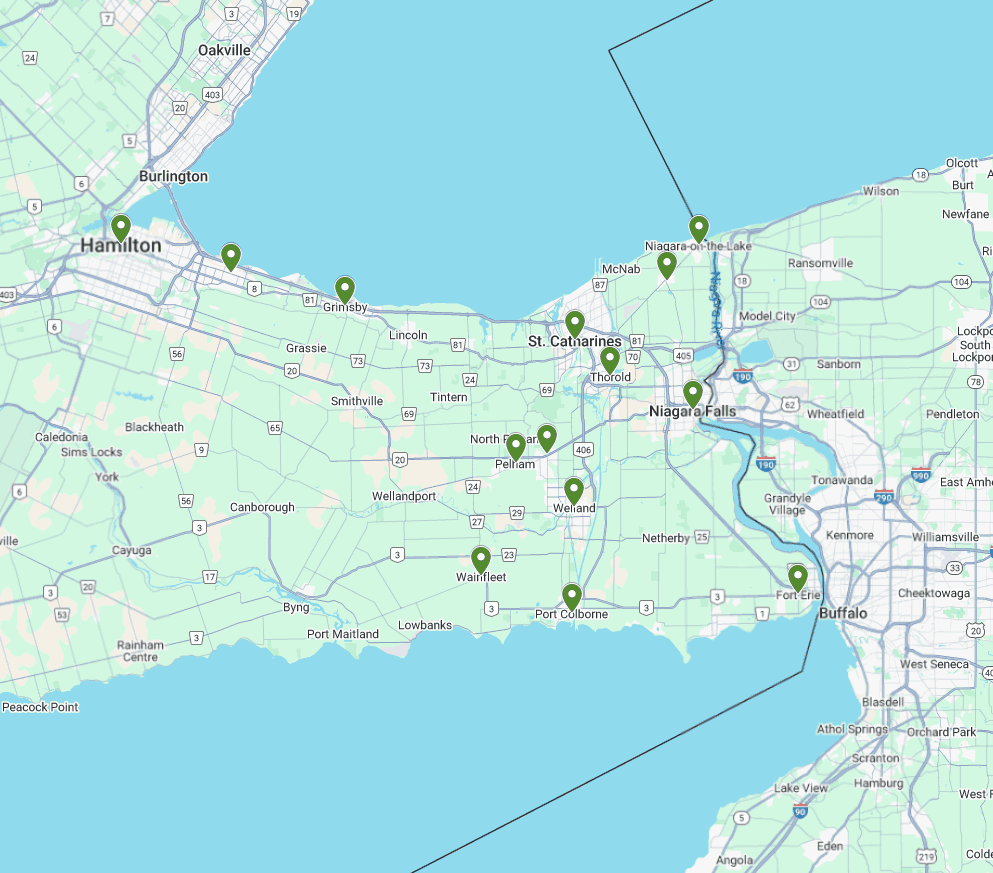
Service Areas
Our service areas encompass a wide range of locations, ensuring that we can meet the needs of our clients wherever they are. From bustling urban centers to serene rural landscapes, we are committed to providing top-notch services tailored to each unique environment.