



It describes the complete mini split installation process for St. Catharines homes, from on-site assessment and accurate sizing to proper mounting, electrical and refrigerant work, permits, and final commissioning. It explains choosing single- or multi-zone systems, ideal placements for indoor and outdoor units, and code-compliant installation practices. Expect thorough testing of leaks, airflow, and performance, along with documentation, warranty information, and maintenance guidance to ensure efficient, reliable comfort across seasons in St. Catharines properties.
.jpeg)
Mini Split Installation in St Catharines, ON
Mini split installation in St Catharines, ON gives homeowners an efficient, flexible way to heat and cool spaces without ductwork. Whether you are renovating a century home in the downtown core, finishing a basement, or adding a sunroom, a properly designed ductless mini split can address uneven temperatures, lower energy bills, and improve comfort year round. It describes the full installation workflow — from on-site assessment and unit sizing to electrical and refrigerant work, permitting, testing, and the handover you need to feel confident in your new system.
Why choose a mini split for St Catharines homes
- St Catharines experiences humid, warm summers and cold winters. Modern mini split heat pump systems provide both efficient cooling and reliable heating, often outperforming window units and electric baseboards.
- Many homes in the Niagara region lack central ductwork or have duct systems that drive up energy losses. Mini splits deliver room-by-room control and reduce distribution inefficiency.
- Ductless systems are minimally invasive to install and preserve the aesthetics of heritage or renovated properties common in St Catharines.
Common mini split installation types and issues in St Catharines
- Single-zone wall-mounted units for individual rooms or small additions.
- Multi-zone systems to serve several rooms from one outdoor unit.
- Ceiling cassette or floor-mounted units where wall space is limited or for better airflow.
- Typical issues seen at the decision stage:
- Incorrect sizing causing short cycling or insufficient heating in extreme cold.
- Poor placement leading to cold spots or excessive noise.
- Inadequate electrical capacity or unpermitted installations that fail inspection.
- Improper refrigerant charge or linework leaks that reduce efficiency.
On-site assessment and accurate sizing
A thorough on-site assessment is the foundation of successful mini split installation in St Catharines, ON. Assessment includes:
- Room-by-room heat loss and heat gain calculations considering insulation levels, window orientation, ceiling height, and occupancy.
- Evaluating existing electrical service and panel capacity.
- Identifying structural constraints and optimal indoor unit locations based on furniture layout and air distribution needs.
- Discussing homeowner priorities: maximum efficiency, lowest upfront cost, or multi-zone flexibility.
Accurate sizing is critical. Oversized units create cycles and humidity problems; undersized units struggle on peak summer or winter days. The assessment leads to a specification that matches system capacity to real-world loads.
Unit selection, placement, and mounting
Choosing the right mini split involves balancing efficiency, features, and indoor aesthetics:
- Select compressor type and SEER/HSPF ratings appropriate for local climate and energy goals.
- Determine indoor unit style: wall-mounted, ceiling cassette, floor-mounted, or slim ducted.
- Place indoor units to ensure unobstructed airflow, avoid direct drafts on seating areas, and minimize visual impact.
- Outdoor unit placement considerations:
- Keep units off the ground on a stable pad or bracket to avoid snow accumulation and flooding.
- Allow clearances for airflow and service access, and consider noise impact on neighbors and bedrooms.
- Professional mounting secures units, properly seals wall penetration points, and routes lines with minimal cosmetic impact.
Electrical and refrigerant linework
Code-compliant electrical and refrigerant work are mandatory:
- Installations include dedicated breakers sized to the outdoor unit, proper conduit, and wiring per Ontario Electrical Code requirements.
- Refrigerant lines must be measured, routed, insulated, and brazed by certified technicians to prevent leaks and maintain performance.
- Proper evacuation, vacuuming, and charging to manufacturer specifications ensure optimal efficiency and longevity.
- Safety devices such as disconnects, surge protection, and low ambient controls are installed when required.
Permitting and code compliance
Mini split installation in St Catharines, ON must meet local building and electrical codes:
- Most installations require a municipal permit and an electrical permit. The installer should prepare permit applications and drawings for the City of St Catharines when applicable.
- Work performed by licensed technicians helps ensure compliance with Ontario building codes and electrical regulations and reduces the risk of failed inspections or insurance complications.
- Documented permits and inspection approvals are included in the project file at completion.
Typical timeline and homeowner preparation
A clear timeline helps homeowners plan:
- Initial consultation and assessment: 1 to 2 visits.
- Quoting, product selection, and permit application: typically several days to one week depending on permit timelines.
- Installation: single-zone installs often completed in one day; multi-zone projects may require 1 to 3 days.
- Final inspection and handover: within a few days after installation.
Homeowner preparation tips:
- Clear access to installation areas and outdoor unit location.
- Move furniture and wall hangings from expected indoor unit areas.
- Ensure clear driveway or yard access for equipment delivery.
- Have an available electrical panel space or plan for upgrades if needed.
Quality assurance, testing, and commissioning
A professional installation includes rigorous QA steps:
- Leak testing, vacuuming, and refrigerant charge verification.
- Electrical inspections and confirmation of breaker sizing and controls.
- Airflow balancing and temperature verification in each served zone.
- Noise and vibration checks at the outdoor unit and indoor units.
- A documented commissioning report showing measured temperatures, operating current, and refrigerant pressures.
Warranty, maintenance handover, and performance tips
When the installation is complete you should receive:
- Manufacturer warranty documents for indoor and outdoor equipment.
- Service warranty or workmanship guarantee from the installer.
- A maintenance schedule outlining recommended filter cleaning, annual service checks, and seasonal operating tips to preserve efficiency.
- Training on thermostat controls, zoning, and basic troubleshooting.
Regular maintenance in St Catharines humid summers includes keeping filters clean and outdoor unit clear of leaves and debris to maintain cooling capacity and prevent corrosion.
Financing, pricing transparency, and incentives
Mini split installation in St Catharines, ON can be financed through multiple options that make energy upgrades more affordable:
- Financing plans and payment options spread installation cost over time.
- Energy efficiency incentives and heat pump programs available in Ontario can reduce net purchase cost; eligibility and program details vary.
- Transparent pricing should include equipment, labor, permit costs, electrical upgrades, and any necessary masonry or carpentry work. A detailed written estimate helps avoid surprises.

Customer Testimonials

Very efficient company. I needed an old solar water heater removed from my roof. They were quick to book an appointment for the next day after I sent photos. They were very knowledgeable of the issue. The 2 guys that came were friendly and competent with the job, including removal of all parts.

We had an amazing experience getting our new furnace installed with Niagara Home Heating. The owner was very helpful, their quote was more then competitive and the technician who installed the unit was professional and friendly. I would recommend their services.
I have used Niagara Home heating for multiple projects for over 16 years. John and his staff are absolutely the best. I tell all my friends and family about Niagara Home Heating because you won’t get any better service or pricing anywhere in Niagara. He has saved me thousands and thousands of dollars and has never let me down.
I called John today at 2:pm as my AC was not working and I wasn’t expecting even a call back as I knew with this hot weather we have had he would be swamped with calls. Well he called me back and showed at 8:pm on the same day to fix my AC. That is just incredible service and how much John really cares about his clients. Thank you John !
Lifesavers!! The AC in our house decided to quit the day we were passing the keys to the new owners!! Instead of making a service call to the house, John coached me through the minor repair over the phone, saving me the money and time waiting for a repair person to come.Much appreciated! Thanks again John
I had an issue with my hot water tank and called Niagara Home Heating. Their service was fantastic and reasonably priced—exactly how a business should be run!

Service Areas
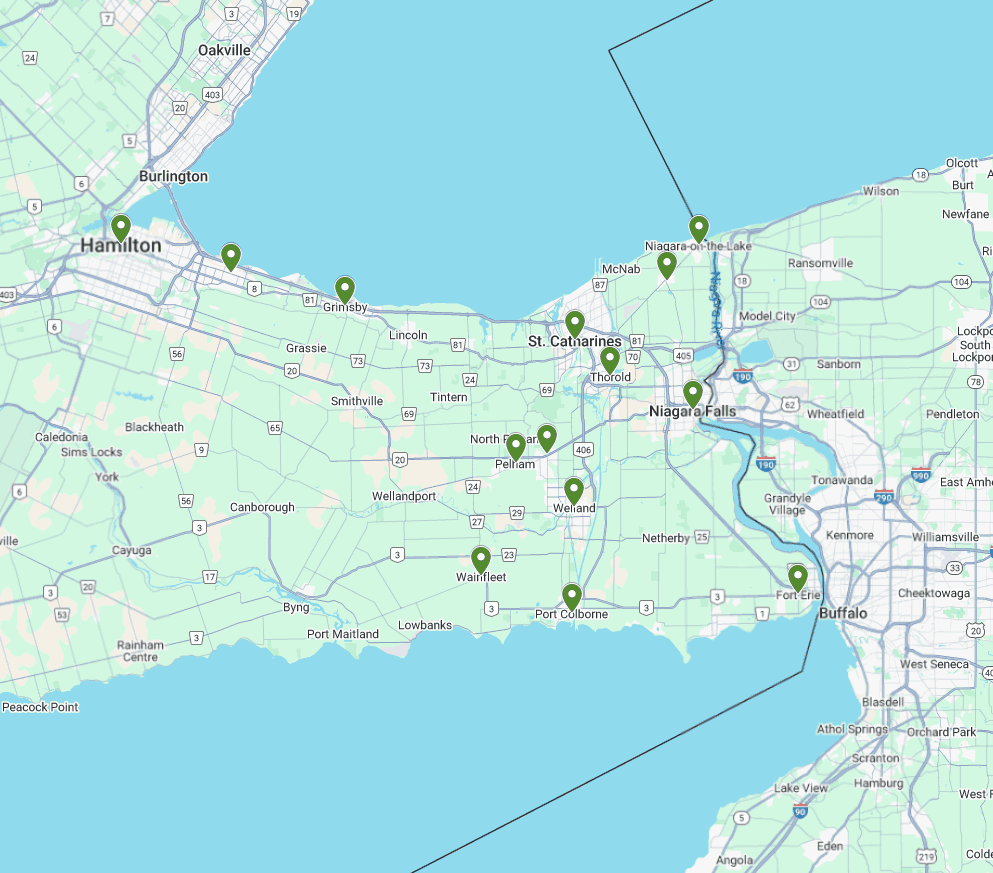
Our service areas encompass a wide range of locations, ensuring that we can meet the needs of our clients wherever they are. From bustling urban centers to serene rural landscapes, we are committed to providing top-notch services tailored to each unique environment.