



It describes mini split repair services in Welland, ON, covering common symptoms, diagnostic methods, typical repair steps, parts replacement, and maintenance tips. It describess how technicians diagnose issues such as insufficient temperature control, refrigerant leaks, coil faults, and drainage problems, then detail safe, cost-conscious repair options. It also discusses emergency response options, turnaround times, pricing transparency, and proactive prevention strategies to extend system life and preserve indoor comfort in Welland’s climate. The tone is informative, practical, and focused on long-term reliability.
.jpeg)
Mini Split Ac Repair in Welland, ON
Mini split AC systems are a common and efficient choice for Welland, ON homes — especially where zoning, older ductwork, or room-by-room control is needed. When a ductless unit fails, it can be disruptive: higher humidity, uneven temperatures, and rising energy bills. It describes typical mini split AC repair services in Welland, ON, how problems are diagnosed, common symptoms, standard repair steps and parts, emergency response and turnaround expectations, pricing transparency, and proven tips to prevent repeat issues.
Why mini split repair matters in Welland, ON
Welland experiences warm, humid summers and freeze-thaw cycles in shoulder seasons. High humidity increases cooling load and stresses indoor units and drainage systems. Salt and airborne particles from local road treatments and agricultural activity can also accelerate corrosion on outdoor units. Prompt, professional repairs restore comfort, protect indoor air quality, and avoid more expensive compressor or refrigerant system failures.
Common mini split AC issues in Welland, ON
Homeowners in Welland commonly report the following symptoms. Each symptom points to a different set of likely causes and repair approaches.
No cooling or weak airflow
- Causes: low refrigerant, compressor failure, blocked outdoor coil, or frozen indoor evaporator coil.
Refrigerant leaks
- Causes: corrosion at brazed joints, vibration stress on line sets, or accidental damage during renovations.
Communication errors between indoor and outdoor units
- Causes: damaged control wiring, faulty PCB (printed circuit board), or power quality issues.
Noisy operation
- Causes: failing fan motor, worn mounts, loose panels, or internal debris in the compressor.
Short cycling or frequent shutdowns
- Causes: thermostat or remote sensor faults, electrical issues, or safety switches tripping due to high pressure/temperature.
Water dripping or poor condensate drainage
- Causes: clogged condensate drain, improper unit tilt, or frozen coil due to airflow problems.
Odors or poor indoor air quality
- Causes: mold or bacterial growth in the indoor coil, dirty filters, or contaminated drain pans.
Diagnostic process: what to expect
A structured diagnostic approach isolates root causes without unnecessary replacement.
Visual and electrical inspection
- Check indoor and outdoor units, wiring, and line sets for visible damage or corrosion.
System communication and control check
- Verify thermostat/remote, control wiring, and PCB operation.
Refrigerant system evaluation
- Measure pressures and temperatures to determine refrigerant charge and detect leak symptoms.
Airflow and coil condition
- Inspect filters, blower motor, indoor coil, and outdoor coil cleanliness.
Drainage and condensation assessment
- Test condensate removal and check for blockages or misalignment.
Operational run test
- Run the system through different modes to observe cycling, noises, and error codes.
Technicians document findings and recommend repair options prioritizing safety, reliability, and cost-effectiveness.
Typical repair steps and parts replacement
Repairs range from simple field fixes to more complex mechanical or refrigerant work. Common repair steps include:
Cleaning and clearing
- Replace or clean filters, clear clogs from the condensate drain, and clean coils to restore airflow and efficiency.
Electrical and control repairs
- Tighten or replace damaged wiring, fuses, relays, and PCBs; resolve communication errors between units.
Fan and motor replacement
- Replace worn or noisy indoor blower motors or outdoor condenser fans and mounts.
Refrigerant leak repair
- Locate and repair leaks (solder/braze or replace sections of line set), evacuate, and recharge the system with the correct refrigerant.
Compressor or reversing valve replacement
- For serious mechanical failures in the outdoor unit, compressor replacement may be required; this is typically more extensive work.
Sensor and thermostat replacement
- Replace faulty temperature sensors or remotes to correct short cycling or incorrect readings.
Parts commonly used: filters, condensate pumps, drain lines, fan motors, capacitors, PCBs, contactors, expansion devices, refrigerant, and occasionally compressor assemblies or outdoor fan units.
Emergency response and turnaround times
In Welland, timely repairs are important during heat waves or humid periods. Emergency response options typically include:
Priority diagnostics — same-day or next-business-day visits for urgent failures.
Emergency repairs — many common repairs (filter changes, electrical fixes, fan motor swaps) can be completed the same day.
Parts-dependent turnaround — repairs requiring special parts (compressors, unique PCBs) may take 24 to 72 hours depending on availability; local stock and dealer networks usually shorten wait times.
Technicians will explain expected timelines based on diagnosis and parts lead times so you can plan for temporary cooling alternatives if needed.
Pricing transparency
Transparent pricing helps homeowners make informed decisions. Typical pricing practices include:
- Clear diagnostic fees and what they cover
- Itemized estimates that separate labor and parts
- Explanations of repair necessity and long-term implications of repair vs replacement
- Warranty coverage on parts and workmanship when applicable
Estimates should outline multiple repair options when available (repair now, staged repairs, or replacement), along with the expected lifespan impact of each choice.
Tips to prevent repeat issues in Welland homes
Routine maintenance reduces unexpected failures and keeps efficiency high:
- Change or clean filters every 1–3 months during heavy use
- Schedule professional maintenance at least once a year, ideally before the cooling season
- Keep the outdoor unit clear of debris, vegetation, and winter salt buildup; rinse coils gently to remove grime
- Ensure proper condensate drainage and check for sagging or clogged drain lines
- Inspect electrical connections and remote/sensor batteries periodically
- Avoid setting extreme temperature swings; gradual setpoint changes reduce cycling stress
In Welland’s humid summers, focusing on coil cleanliness and reliable drainage is especially important to prevent freeze/defrost cycles and mold growth.
Final notes on value and reliability
A properly diagnosed and repaired mini split restores comfort, saves energy, and prolongs system life. Welland homeowners benefit from repairs that consider local climate stresses, humidity control, and practical preventive measures. Professional diagnostics, transparent estimates, and timely repairs are the foundation of a reliable ductless system and better indoor comfort year-round.

Customer Testimonials

Lifesavers!! The AC in our house decided to quit the day we were passing the keys to the new owners!! Instead of making a service call to the house, John coached me through the minor repair over the phone, saving me the money and time waiting for a repair person to come.Much appreciated! Thanks again John

I called John today at 2:pm as my AC was not working and I wasn’t expecting even a call back as I knew with this hot weather we have had he would be swamped with calls. Well he called me back and showed at 8:pm on the same day to fix my AC. That is just incredible service and how much John really cares about his clients. Thank you John !
We had an amazing experience getting our new furnace installed with Niagara Home Heating. The owner was very helpful, their quote was more then competitive and the technician who installed the unit was professional and friendly. I would recommend their services.
Very efficient company. I needed an old solar water heater removed from my roof. They were quick to book an appointment for the next day after I sent photos. They were very knowledgeable of the issue. The 2 guys that came were friendly and competent with the job, including removal of all parts.
I had an issue with my hot water tank and called Niagara Home Heating. Their service was fantastic and reasonably priced—exactly how a business should be run!
I have used Niagara Home heating for multiple projects for over 16 years. John and his staff are absolutely the best. I tell all my friends and family about Niagara Home Heating because you won’t get any better service or pricing anywhere in Niagara. He has saved me thousands and thousands of dollars and has never let me down.

Service Areas
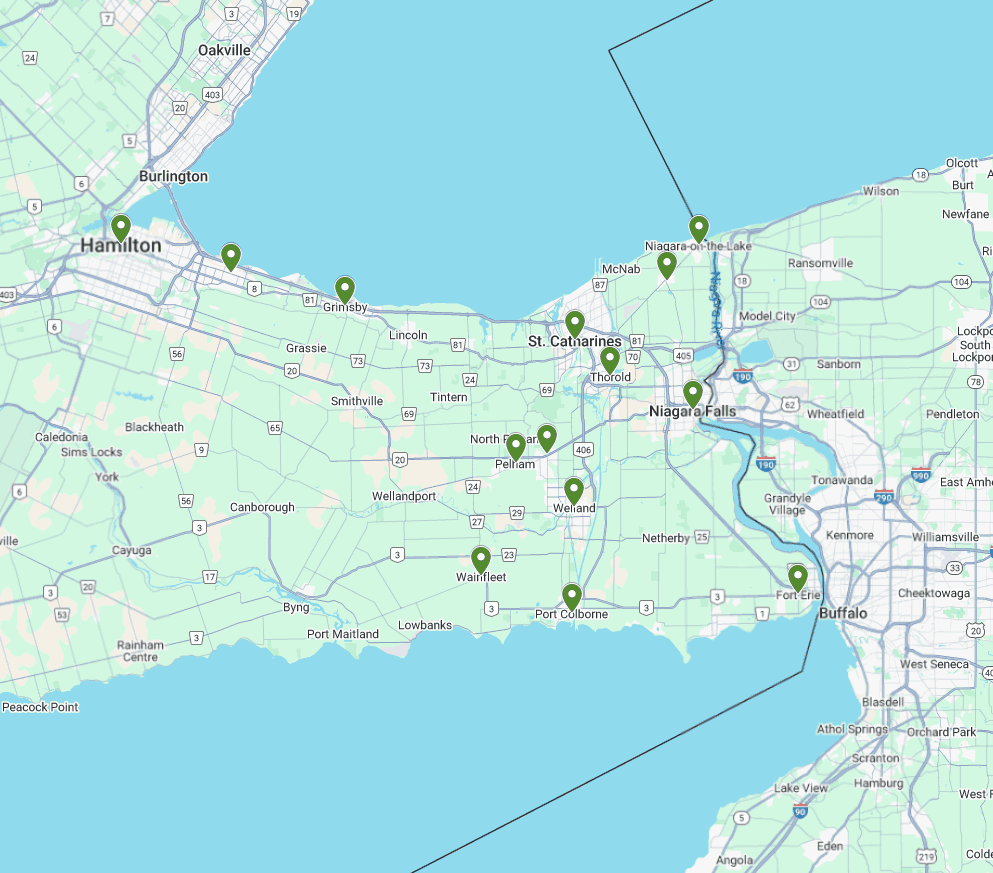
Our service areas encompass a wide range of locations, ensuring that we can meet the needs of our clients wherever they are. From bustling urban centers to serene rural landscapes, we are committed to providing top-notch services tailored to each unique environment.