



It describes presents ductless mini-split air conditioning for Welland, ON homes and small businesses, highlighting targeted cooling and heating without ductwork. It explains zoning benefits, energy efficiency, quiet operation, and flexible install options for historic or compact spaces. The guide covers sizing, load calculations, and avoidance of oversizing, plus practical installation steps, maintenance routines, and common issues. It also describess warranty considerations and local installation expectations, emphasizing reliable dehumidification, durability, and long-term energy savings for Niagara properties.
.jpeg)
Mini Split Ductless Ac in Welland, ON
Ductless mini-split AC systems are an efficient, flexible way to cool and heat individual rooms, additions, or whole small homes and businesses in Welland, ON. For local homeowners and business owners dealing with humid Niagara summers, older homes without ductwork, or targeted comfort needs in converted spaces, a mini-split offers precise temperature control, lower operating costs, and quiet operation compared with window units or oversized central systems.
Why choose a ductless mini-split in Welland, ON
Zoned comfort: Independently controlled indoor units let you cool or heat only the rooms you use, reducing wasted energy in multi-room homes and small commercial suites.
Energy efficiency: Modern inverter-driven compressors adjust output to match load, improving seasonal efficiency (higher SEER) and lowering electricity bills—especially valuable during hot, humid Welland summers.
Quiet operation: Indoor heads operate near whisper levels, ideal for bedrooms, home offices, and retail environments where noise matters.
Space and design flexibility: Install wall-mounted, floor-mounted, ceiling cassette, or concealed-duct indoor units where ducts are impractical—useful in older Welland homes, loft conversions, sunrooms, basements, and small storefronts.
Heating capability: Many mini-splits are heat pumps that provide efficient heating through shoulder seasons and mild winter days, reducing reliance on fossil-fuel systems.
Common components and typical layouts
- Outdoor condensing unit (single compressor)
- One or more indoor air handlers (heads): wall, floor, cassette, or concealed duct
- Refrigerant line sets and condensate drain lines
- Electrical disconnect, dedicated breaker, and control wiring or wireless controls
- Remote controls or wired thermostats, plus optional smart integration
System layouts:
Single-zone (1:1): One outdoor unit to one indoor head—simple, economical for a single room or small addition.
Multi-zone (1:2, 1:4, 1:8): One outdoor unit serving multiple indoor heads—ideal for whole small homes, multi-room offices, or commercial suites.
Concealed-duct mini-splits: Provide ducted outlets for a cleaner aesthetic while retaining ductless benefits when full duct runs are impractical.
Use-cases for Welland homes and small businesses
- Older homes without ducts where installing central air would require invasive renovations.
- Basement apartments, guest suites, or finished basements needing reliable cooling and humidity control.
- Additions, sunrooms, and enclosed porches where existing HVAC cannot reach effectively.
- Small retail stores, offices, cafés, and salons requiring zoned comfort and quiet operation.
- Server closets or equipment rooms where precise temperature and continuous operation are essential.
Local considerations: Welland’s humid summers make dehumidification a priority—many mini-splits provide strong moisture removal at low fan speeds. Winter concerns (freezing, frost on outdoor units, road salt) mean selecting equipment with robust defrost routines and corrosion-resistant coatings suited to Great Lakes climates.
Selection and sizing guidance
Professional load calculation: A Manual J style load calculation is the right way to size a mini-split. It accounts for insulation, window area and orientation, ceiling height, sun exposure, occupancy, and local climate — all critical in Welland where summer humidity and seasonal temperature swings influence load.
Avoid oversizing: Oversized units short-cycle, reduce dehumidification, and increase wear. Mini-splits are most effective when sized for continuous, modulating operation.
Capacity range: Indoor head capacities vary; small bedrooms often need lower-BTU heads while open-plan areas require larger capacities. Use professional guidance rather than rule-of-thumb square footage alone.
Efficiency ratings: Look at SEER (cooling) and HSPF or COP (heating performance). Higher-efficiency systems cost more up front but deliver greater energy savings over time—valuable in a region with both hot summers and cold seasons.
Line set length and elevation: Longer runs can require larger refrigerant charge and influence performance; plan outdoor unit placement to minimize runs and comply with manufacturer limits.
Electrical and panel requirements: Confirm your electrical service and breaker space can support the outdoor unit and additional indoor heads.
Installation overview (what to expect)
Site survey and load analysis to determine zones and ideal head types.
Indoor head placement to optimize airflow, minimize direct drafts, and maintain aesthetics.
Outdoor unit siting on a vibration-isolating pad with access for service and consideration for winter clearance and salt spray.
Refrigerant piping and condensation drainage run through small 2–3 inch wall penetrations—less invasive than full duct installs.
Vacuum, charge, and commissioning: Proper evacuation and refrigerant charge are essential for peak performance. Systems are tested for airflow, refrigerant pressures, and controls integration.
Permits and electrical inspection: Local codes may require electrical permitting and inspection; installers should follow municipal regulations.
Maintenance and common issues in Welland, ON
Routine tasks: Clean or replace washable filters every 1–3 months, keep indoor coils and outdoor condenser fins free of dust and debris, and ensure condensate drains flow freely.
Annual service: A yearly inspection checks refrigerant charge, electrical connections, defrost function, and system controls—especially important before summer and after winter.
Common problems: Reduced airflow from clogged filters, frozen coils from airflow issues, refrigerant leaks, sensor errors, or communication faults between indoor and outdoor units.
Winter care: Keep the outdoor unit clear of snow, ice, and road salt; ensure defrost cycles operate properly. In coastal or lakeshore-adjacent areas, consider corrosion-resistant options and routine wash-downs to remove corrosive salt and muck.
Warranty and protection options
Manufacturer warranties typically cover compressors and major components; typical ranges vary by model and brand. Look for documented terms on parts and compressor coverage.
Installer workmanship warranties cover labor and installation-related issues for a defined period; verify what is included (electrical work, line set leaks, commissioning).
Extended warranties and transferable coverage: Some owners opt for extended parts or labor coverage and ask whether warranties transfer with property sales. Keep all documentation and registration information for warranty claims.
Mini-split ductless AC systems give Welland homeowners and small business owners a targeted, efficient way to control comfort where ducts are absent or impractical. When sized correctly, installed to local code, and maintained regularly, a ductless system delivers long-term comfort, reliable dehumidification for humid summer months, and energy savings that match the needs of Niagara Region properties.

Customer Testimonials

Very efficient company. I needed an old solar water heater removed from my roof. They were quick to book an appointment for the next day after I sent photos. They were very knowledgeable of the issue. The 2 guys that came were friendly and competent with the job, including removal of all parts.

I had an issue with my hot water tank and called Niagara Home Heating. Their service was fantastic and reasonably priced—exactly how a business should be run!
I have used Niagara Home heating for multiple projects for over 16 years. John and his staff are absolutely the best. I tell all my friends and family about Niagara Home Heating because you won’t get any better service or pricing anywhere in Niagara. He has saved me thousands and thousands of dollars and has never let me down.
I called John today at 2:pm as my AC was not working and I wasn’t expecting even a call back as I knew with this hot weather we have had he would be swamped with calls. Well he called me back and showed at 8:pm on the same day to fix my AC. That is just incredible service and how much John really cares about his clients. Thank you John !
Lifesavers!! The AC in our house decided to quit the day we were passing the keys to the new owners!! Instead of making a service call to the house, John coached me through the minor repair over the phone, saving me the money and time waiting for a repair person to come.Much appreciated! Thanks again John
We had an amazing experience getting our new furnace installed with Niagara Home Heating. The owner was very helpful, their quote was more then competitive and the technician who installed the unit was professional and friendly. I would recommend their services.

Service Areas
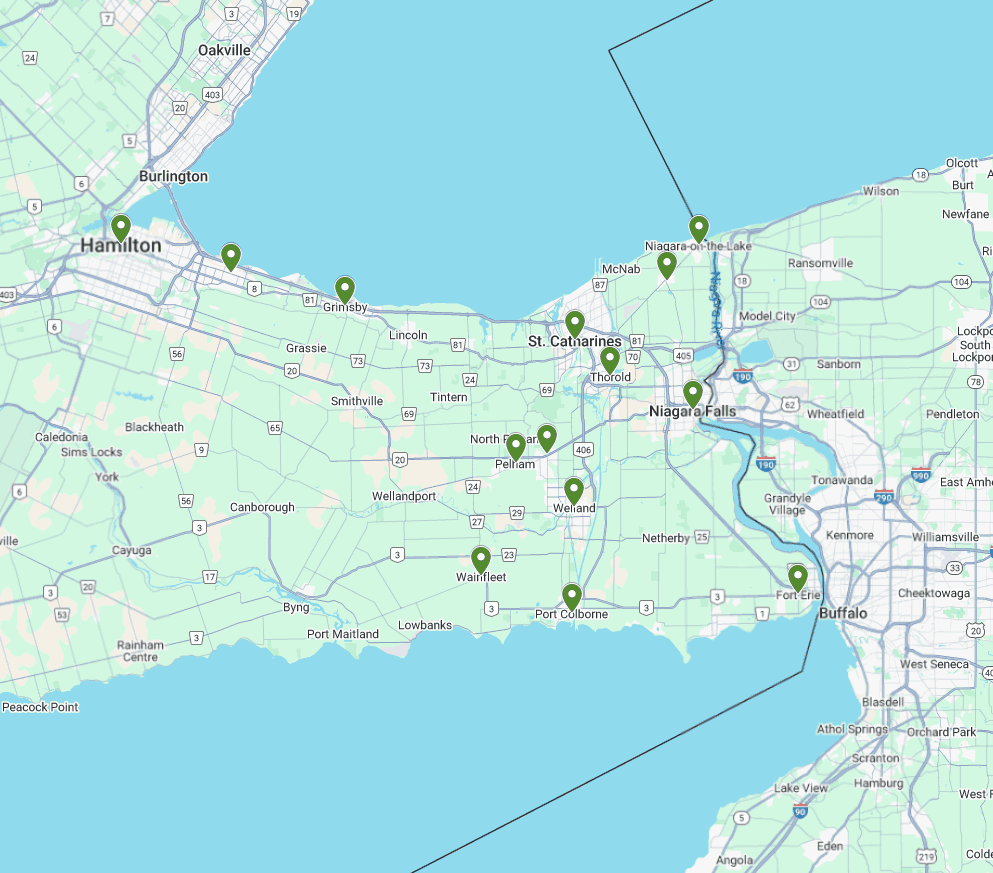
Our service areas encompass a wide range of locations, ensuring that we can meet the needs of our clients wherever they are. From bustling urban centers to serene rural landscapes, we are committed to providing top-notch services tailored to each unique environment.