



Welland homeowners can expect a complete mini-split installation workflow tailored to ductless heat and cooling. The guide covers on-site consultation and load sizing, indoor and outdoor unit placement, electrical and refrigerant work, ductless-specific mounting and condensate considerations, and thorough post-installation commissioning and user orientation. It also details compliance and warranty information, emphasizing proper sizing, code adherence, and professional workmanship. The result is a reliable, energy-efficient system designed for year-round comfort, quiet operation, and long-term performance in Welland homes.
.jpeg)
Mini Split Installation in Welland, ON
Mini split installation in Welland, ON provides a flexible, energy-efficient way to heat and cool homes that often lack existing ductwork. With hot, humid summers and cold, snowy winters in the Niagara region, properly sized and installed ductless mini-splits deliver year-round comfort while reducing energy use and avoiding major renovations. It describes the full installation workflow so you know what to expect: from the initial consultation and load/sizing analysis to placement, electrical and refrigerant work, ductless-specific considerations (mounting, condensate drainage), commissioning and user orientation, plus compliance and warranty information for Welland homes.
Initial consultation and load/sizing analysis
A reliable mini-split installation begins with a thorough on-site consultation and load calculation. Key elements include:
- Room-by-room Manual J or equivalent heat loss/gain calculations to determine required BTUs for cooling and heating in Welland’s climate.
- Assessment of insulation, window type and orientation, ceiling height, and room usage (kitchen, bedroom, finished basement).
- Review of existing electrical capacity and panel layout to confirm a dedicated circuit can be provided.
- Determination of zone strategy - single-zone for one room, multi-zone for several rooms using one outdoor unit.
- Consideration of local conditions such as lake-effect humidity and winter temperatures to select equipment with appropriate low-temperature heating performance.
This step prevents common problems like oversized or undersized systems that short-cycle, produce poor humidity control, or struggle on cold winter mornings.
Indoor and outdoor unit placement guidelines
Correct placement of indoor heads and the outdoor compressor influences performance, aesthetics, and long-term reliability.
Indoor unit placement
- Mount high on an interior wall for consistent air distribution and to maximize cooling/heating efficiency.
- Avoid locating heads directly over bedrooms where airflow and noise could disturb sleep; select quieter models for sleeping areas.
- Maintain clearances from curtains, shelves and light fixtures; ensure the unit can be serviced easily.
- For open-concept spaces, consider a high-capacity single head or two smaller heads positioned to eliminate dead zones.
Outdoor unit placement
- Choose a location with good airflow and at least the manufacturer-recommended clearances on all sides.
- Elevate outdoor units on a concrete pad or vibration-isolating bracket to keep them above snowdrifts and standing water common in Welland winters.
- Position the unit away from prevailing winds and heavy snowfall paths; a simple windbreak or local landscaping can reduce stress from wind and blowing snow.
- Ensure outdoor placement complies with municipal noise bylaws and neighbour visibility preferences.
Electrical and refrigerant work - safety and compliance
Mini-split systems require both electrical and refrigerant work performed to code by licensed technicians.
Electrical
- A dedicated circuit and properly sized breaker are typically required; wire gauge and disconnect location follow manufacturer specifications.
- Installations must meet the Canadian Electrical Code and any municipal permitting requirements applicable in Welland.
- Field-installed disconnects, surge protection and proper grounding ensure safety and reliable operation.
Refrigerant and piping
- Certified technicians handle refrigerant brazing, leak testing, evacuation and correct refrigerant charging.
- Line sets should be sized and insulated to prevent heat gain/loss and to avoid condensation issues in humid months.
- For multi-zone installs, proper refrigerant balancing and factory-authorized commissioning ensure optimal performance and efficiency.
Ductless-specific considerations: mounting, condensate drainage and finishes
Mini-splits have unique installation needs compared to central systems.
Mounting and wall penetrations
- Indoor units require a small, neatly sealed wall penetration for refrigerant lines, condensate and low-voltage wiring; holes should be flashed and finished to prevent drafts and moisture intrusion.
- For condos, apartments or older Welland homes, routing may use existing chases or closet spaces to minimize visible work.
Condensate management
- Many units use gravity drainage where an exterior drip or interior floor drain is available; where not possible, a condensate pump is installed.
- Pumps must be sized correctly and routed to an approved drain point; freeze-protection measures are considered for outdoor drain lines in colder months.
- Proper condensate handling prevents staining, mold and freeze-related blockages common in humid Ontario climates.
Aesthetic and structural finishes
- Trim kits and cosmetic covers protect line sets and preserve interior finishes.
- Structural anchoring for wall brackets and outdoor pads is completed to local code for long-term reliability.
Post-installation commissioning and user orientation
A comprehensive commissioning process verifies the system is safe, efficient and ready for everyday use.
Commissioning checklist
- Pressure and leak testing of refrigerant circuit and verification of vacuum level after evacuation.
- Accurate refrigerant charge or electronic charge verification using superheat/subcooling procedures when applicable.
- Measurement of temperature split, airflow checks and confirmation of heating capacity at cold outdoor conditions.
- Electrical checks including proper breaker sizing and disconnect operation.
User orientation (what homeowners should receive)
- Demonstration of heating, cooling and defrost modes as well as basic troubleshooting tips for Welland’s seasonal changes.
- Instructions on filter cleaning, scheduling of routine maintenance and how to operate multi-zone controls or Wi-Fi thermostats.
- Documentation including wiring diagrams, equipment manuals, commissioning reports and warranty paperwork.
Compliance and warranty information for Welland installations
Compliance and warranty details protect your investment.
Regulatory compliance
- All refrigerant handling and system modifications are performed by technicians with required certifications as mandated by federal and provincial regulations.
- Electrical work follows the Canadian Electrical Code and local permitting authorities in Welland; installers typically provide records for permit sign-off.
Warranties and paperwork
- Manufacturer equipment warranties cover specific components for defined periods; warranty registration and installation documentation are important to preserve coverage.
- Professional installers commonly provide a workmanship warranty on installation labour for a stated period; this should be included in the installation contract and documented during commissioning.
Why professional installation matters for Welland homes
Proper installation is the difference between an efficient, durable system and recurring performance problems. In Welland’s humid summers and cold winters, a correctly sized and commissioned mini-split:
- Provides reliable year-round comfort and humidity control.
- Delivers the expected energy savings and quieter operation.
- Reduces the risk of refrigerant leaks, electrical hazards, and condensate-related moisture damage.
- Extends equipment life and maintains manufacturer warranty validity.
Maintenance tips (brief)
- Clean filters monthly during heavy use and schedule annual professional maintenance before summer and winter seasons.
- Keep outdoor units clear of debris, snow and ice; check condensate lines in spring and fall.
- Maintain documentation of service and commissioning for warranty and resale value.
This overview explains what a professional mini split installation in Welland, ON should include and why each step matters. A careful assessment, code-compliant electrical and refrigerant work, correct indoor/outdoor placement, and full commissioning together ensure a comfortable, efficient, and long-lasting ductless heating and cooling solution for your home.

Customer Testimonials

I had an issue with my hot water tank and called Niagara Home Heating. Their service was fantastic and reasonably priced—exactly how a business should be run!

We had an amazing experience getting our new furnace installed with Niagara Home Heating. The owner was very helpful, their quote was more then competitive and the technician who installed the unit was professional and friendly. I would recommend their services.
Lifesavers!! The AC in our house decided to quit the day we were passing the keys to the new owners!! Instead of making a service call to the house, John coached me through the minor repair over the phone, saving me the money and time waiting for a repair person to come.Much appreciated! Thanks again John
I called John today at 2:pm as my AC was not working and I wasn’t expecting even a call back as I knew with this hot weather we have had he would be swamped with calls. Well he called me back and showed at 8:pm on the same day to fix my AC. That is just incredible service and how much John really cares about his clients. Thank you John !
Very efficient company. I needed an old solar water heater removed from my roof. They were quick to book an appointment for the next day after I sent photos. They were very knowledgeable of the issue. The 2 guys that came were friendly and competent with the job, including removal of all parts.
I have used Niagara Home heating for multiple projects for over 16 years. John and his staff are absolutely the best. I tell all my friends and family about Niagara Home Heating because you won’t get any better service or pricing anywhere in Niagara. He has saved me thousands and thousands of dollars and has never let me down.

Service Areas
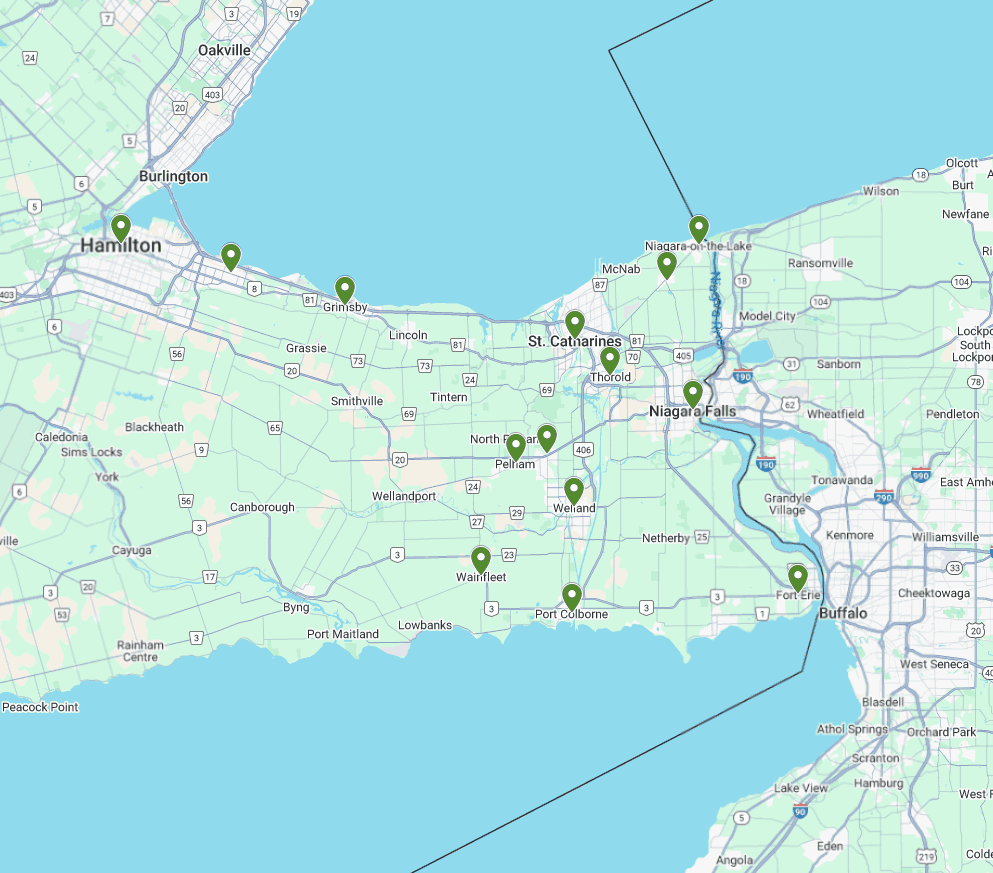
Our service areas encompass a wide range of locations, ensuring that we can meet the needs of our clients wherever they are. From bustling urban centers to serene rural landscapes, we are committed to providing top-notch services tailored to each unique environment.