



Fort Erie residents can benefit from ductless mini-split AC systems that provide room-by-room cooling, supplemental heating, and energy savings without ducts. This guide covers how mini-splits work, when they suit older homes, and how to choose the right system, including sizing, inverter technology, and performance specs. It describess typical installation steps, warranty considerations, financing and rebates, common issues, and frequently asked questions. The result is a concise, practical overview that helps homeowners plan installation, anticipate timelines, and maximize comfort and efficiency.
.jpeg)
Mini Split Ductless Ac in Fort Erie, ON
Ductless mini-split AC systems in Fort Erie, ON offer a practical, energy-efficient alternative to central air for homes that lack ductwork or need room-by-room climate control. With hot, humid summers off Lake Erie and cold winters that can strain older heating systems, homeowners here are choosing mini-splits for precise cooling, supplemental heating through heat pump models, and reduced operating costs. It describes how these systems work, when they make sense for Fort Erie homes, how to choose the right system, what to expect during installation, warranty and rebate considerations, and common questions to help you decide.
Why Fort Erie homes benefit from ductless mini-splits
- Zoned comfort: Control temperature individually in bedrooms, living rooms, sunrooms, and additions without heating or cooling the whole house.
- Energy efficiency: Inverter-driven compressors adjust output to demand, reducing cycling losses and lowering electricity use compared with older central systems.
- Space saving: No ducts are needed, so mini-splits suit older homes, finished basements, attics or rooms added after the original build.
- Dehumidification: Effective moisture control is helpful in Fort Erie where lake-effect humidity makes indoor humidity a comfort and mold risk.
- Dual heating/cooling: Many modern mini-splits are heat pumps capable of efficient heating in shoulder seasons and as a reliable backup during winter.
Types and common applications in Fort Erie
- Single-zone mini-splits: One outdoor unit paired with a single indoor wall cassette or low-profile head. Ideal for a single room, garage conversion, or home office.
- Multi-zone systems: One outdoor unit connected to multiple indoor heads. Great for open-concept bungalows, second floors, or whole-house staged installation.
- Ceiling cassettes and ducted mini-splits: For aesthetic or architectural needs, concealed units can supply conditioned air through short runs.
- Best use cases:
- Retrofits where adding ducts is impractical or too costly
- Finished basements, sunrooms, or in-law suites
- Zoned cooling/heating for large homes to reduce wasted energy
Sizing and selection guidance
Correct sizing is crucial for performance and efficiency. A few practical selection tips:
- Avoid rule-of-thumb sizing alone. Small systems will struggle; oversized units cycle inefficiently.
- Key factors a technician will consider: square footage, ceiling height, insulation levels, number and orientation of windows, sun exposure, and room usage.
- Look at performance specs: SEER (seasonal energy efficiency ratio) for cooling, HSPF or COP for heating if you want year-round use.
- Consider inverter technology for better comfort and lower operating costs. Also check minimum operating temperature if you plan to use the unit for winter heating.
- Noise levels and indoor head design matter in bedrooms and living areas. Quiet units with night modes work best for sensitive spaces.
Typical installation steps and timelines
A professional, certified installation ensures safety and preserves equipment warranties. Typical steps:
- Site survey and load calculation to confirm unit size and locations.
- Choose indoor head locations and outdoor condenser placement (consider snow, salt spray from the lake, and airflow).
- Mount indoor heads and outdoor unit on brackets or pads; run refrigerant lines and power through a small wall or conduit penetration.
- Evacuate lines to remove moisture, charge refrigerant as required, complete electrical connections, and test system operation.
- Verify airflow, refrigerant charge, and controls; demonstrate basic operation to the homeowner and document warranty information.
Expected timeline:
- Single-zone installs often take one work day.
- Multi-zone or concealed-duct installs can take one to three days depending on complexity and wall finishes.
- Permits or inspections may add scheduling time; a certified technician will advise on local requirements.
Warranty and brand options
Most major manufacturers offer:
- Factory warranties covering compressors and major components for a set term, with parts warranties varying by brand.
- Optional extended warranties or service agreements are available through installers.
- Installation warranty: A contractor-installed warranty covers workmanship and is important for long-term reliability.In Fort Erie, prioritize equipment with corrosion protection or protective coatings on outdoor units because lakeside humidity and winter salt can accelerate corrosion. Choose brands known for reliable inverter technology and robust cold-weather performance if you plan to use the unit for heating.
Financing and rebate information
Homeowners commonly use financing or rebates to offset upfront costs. Typical options include:
- Utility or provincial and federal incentive programs for high-efficiency heat pumps and electrification upgrades (eligibility depends on the program and equipment efficiency).
- Low-interest financing or payment plans through lenders or installer partnerships.
- Rebates often require certified installers and specific equipment efficiency thresholds, so keep documentation of energy ratings and installation details.Always confirm current local and federal programs and eligibility rules when planning a purchase.
Common mini-split issues and what to expect
- Improper sizing causing poor comfort or short cycling.
- Inadequate placement leading to drafts or uneven cooling.
- Dirty filters or outdoor coil buildup reducing efficiency.
- Corrosion or damage to outdoor unit in salt and snow conditions.Regular maintenance, proper siting, and professional installation minimize these risks.
Frequently asked questions
Q: Can a mini-split heat my home during Fort Erie winters?A: Many mini-splits are heat pumps that provide efficient heating in cool conditions and can be effective as a primary or supplemental heating source. Performance varies by model for extreme cold, so select units rated for low-temperature operation if you expect heavy winter use.
Q: Do mini-splits need ductwork?A: No. Mini-splits are ductless. They require only a small penetration for refrigerant lines and electrical wiring, making them ideal for homes without ducts.
Q: How long does a mini-split last?A: With regular maintenance and proper installation, most systems last 15 years or more. Compressor longevity and care of the outdoor unit influence lifespan.
Q: Will a mini-split reduce my humidity?A: Yes. Mini-splits remove moisture while cooling, often improving indoor comfort during humid Fort Erie summers. Some models have dedicated dehumidify modes for better control.
Q: Are they noisy?A: Indoor heads are typically quiet. Choose models with low sound ratings and night modes for bedrooms. Outdoor units make some noise, but proper placement and anti-vibration mounts minimize disturbance.
Q: Do I need permits or special certifications?A: Local permits and certified refrigerant handling are commonly required. A qualified installer will advise on Fort Erie municipal requirements and handle necessary certifications.
Q: How much maintenance is required?A: Basic homeowner tasks include cleaning or replacing filters regularly. Annual professional checks keep refrigerant charge, electrical connections, and coils in good condition.
Q: How many zones will I need?A: That depends on your floor plan and comfort goals. A professional load assessment will determine the optimal number and placement of indoor heads.
ConclusionFor Fort Erie homeowners seeking efficient, space-saving cooling with the flexibility of zone-by-zone control, mini split ductless AC systems are a strong option. They address common regional concerns such as humidity, retrofit constraints, and the desire for efficient secondary heating. Proper sizing, a certified installation, and attention to corrosion protection will ensure comfort and long service life in the Niagara region climate.

Customer Testimonials

I have used Niagara Home heating for multiple projects for over 16 years. John and his staff are absolutely the best. I tell all my friends and family about Niagara Home Heating because you won’t get any better service or pricing anywhere in Niagara. He has saved me thousands and thousands of dollars and has never let me down.

Lifesavers!! The AC in our house decided to quit the day we were passing the keys to the new owners!! Instead of making a service call to the house, John coached me through the minor repair over the phone, saving me the money and time waiting for a repair person to come.Much appreciated! Thanks again John
Very efficient company. I needed an old solar water heater removed from my roof. They were quick to book an appointment for the next day after I sent photos. They were very knowledgeable of the issue. The 2 guys that came were friendly and competent with the job, including removal of all parts.
I had an issue with my hot water tank and called Niagara Home Heating. Their service was fantastic and reasonably priced—exactly how a business should be run!
I called John today at 2:pm as my AC was not working and I wasn’t expecting even a call back as I knew with this hot weather we have had he would be swamped with calls. Well he called me back and showed at 8:pm on the same day to fix my AC. That is just incredible service and how much John really cares about his clients. Thank you John !
We had an amazing experience getting our new furnace installed with Niagara Home Heating. The owner was very helpful, their quote was more then competitive and the technician who installed the unit was professional and friendly. I would recommend their services.

Service Areas
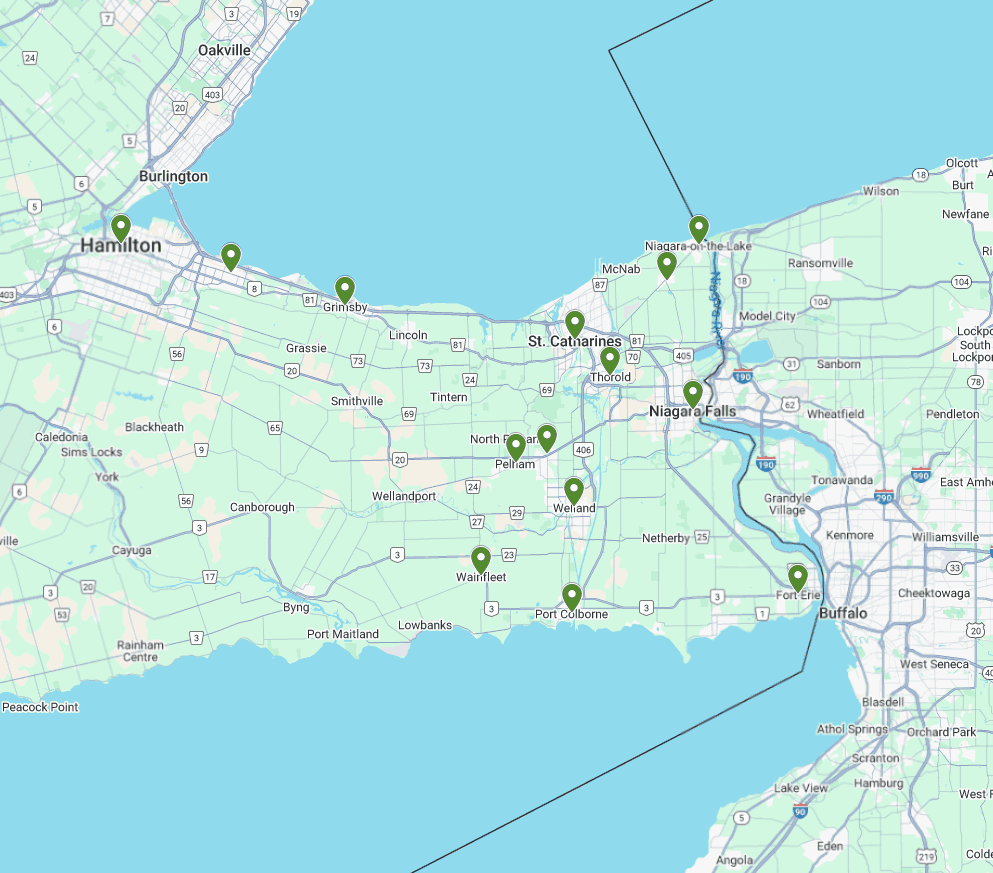
Our service areas encompass a wide range of locations, ensuring that we can meet the needs of our clients wherever they are. From bustling urban centers to serene rural landscapes, we are committed to providing top-notch services tailored to each unique environment.