



Mini split installation in Fort Erie, ON delivers a complete, ductless solution for zone-controlled heating and cooling. From initial site assessment and precise measurements to indoor and outdoor unit placement, refrigerant lines, electrical work, and compliance with Ontario codes, the guide describess what to expect. It covers installation types, common challenges, permitting, a typical timeline, and post-install maintenance. With professional commissioning and clear warranty details, It describes helps homeowners plan, budget, and achieve year-round comfort efficiently.
.jpeg)
Mini Split Installation in Fort Erie, ON
Installing a ductless mini split is one of the most effective ways to add efficient heating and cooling to Fort Erie homes that need zone control, energy savings, or a solution where ductwork is impractical. It describes the full mini split installation process in Fort Erie, ON — from the initial site assessment and measurements through commissioning, testing, and post-installation warranty considerations — so you know exactly what to expect when choosing a ductless solution.
Why Fort Erie homes benefit from mini split installation
Fort Erie experiences cold, snowy winters and warm, humid summers influenced by Lake Erie. Mini splits with heat pump technology provide efficient year-round comfort, reducing reliance on expensive electric resistance heat or inefficient window units. They are especially suitable for:
- Older homes without existing ductwork
- Basement suites, sunrooms, or additions
- Multi-zone heating and cooling needs
- Smaller commercial spaces and retail fronts in the area
Common mini split installation types and issues in Fort Erie
Most residential installations fall into a few categories:
- Single-zone wall-mounted units for bedrooms, dens, or small apartments
- Multi-zone systems serving multiple rooms with one outdoor compressor
- Ceiling cassette or floor-mounted indoor units for aesthetic or structural constraints
Common installation challenges locally include limited outdoor compressor space on small lots, exterior wall thicknesses in older brick homes, and routing lines through finished basements or tight crawl spaces. Seasonal demand in Fort Erie can also affect lead times for equipment and installers.
Site assessment and accurate measurements
A professional site assessment is the foundation of a reliable installation. Key steps include:
- Room-by-room load estimation to size the system for heating and cooling, not just square footage
- Measuring wall heights, window locations, and ceiling type to determine indoor unit placement
- Evaluating outdoor unit location for noise, clearance, drainage, and winter access
- Inspecting existing electrical capacity and panel space for new circuitsA thorough assessment prevents undersized equipment, poor performance, and costly change orders.
Indoor and outdoor unit placement considerations
Proper placement affects comfort, efficiency, and longevity:
- Indoor units: place where airflow is unobstructed, at least 6-8 feet above the floor for wall units, or centered in the room for cassettes. Avoid direct sunlight and locations directly above beds or seating when possible.
- Outdoor compressors: choose a level, well-drained site with 12-24 inches clearance for airflow and snow management. In Fort Erie winters, consider raised pads or protective stands to avoid snow buildup and ensure service access.
Refrigerant line, drain, and electrical work
Standard installation elements include:
- Refrigerant lines and insulation routed through a small 2-3 inch hole with a neat sleeve, minimizing visible damage to finished walls
- Condensate drain piping directed to an internal drain, exterior grade, or condensate pump if gravity drain is not possible
- Dedicated electrical circuit, disconnect switch, and wiring that meet Ontario electrical codeLicensed technicians pressure test and vacuum the refrigerant lines to ensure leak-free operation before charging the system.
Permitting and code compliance in Fort Erie
Permits are sometimes required for refrigerant handling, electrical changes, or when installing larger systems. Local bylaws and provincial regulations govern electrical and HVAC work. A qualified installer will advise whether a permit is necessary and ensure installations comply with Ontario building and electrical codes as well as manufacturer requirements for warranty validity.
Typical installation timeline
While every project varies, a typical residential single-zone mini split installation follows this timeline:
- Site assessment and quote: 1 visit (30 to 90 minutes)
- Scheduling and permit processing: a few days to a couple of weeks if permits are needed
- Installation day: 4 to 8 hours for a single-zone wall-mounted system; larger multi-zone jobs often take 1 to 3 days
- Commissioning and homeowner orientation: 30 to 60 minutes after installationDelays can occur during peak summer or winter seasons when demand is high.
What to prepare for on install day
To make installation smooth:
- Clear the working area around the indoor unit wall and the chosen outdoor spot
- Provide access to electrical panel and any attic, basement, or crawl space routes
- Protect floors and furniture; installers should lay down runners and drop cloths, but removing fragile items is recommended
- Expect some noise from drilling through exterior walls and from the compressor during testingInstallers typically clean up debris and leave the site tidy.
Commissioning and system testing
Commissioning ensures the system performs to specification:
- Leak tests and vacuum of refrigerant lines
- Charging the system to proper refrigerant levels
- Verifying electrical connections, controls, and safety devices
- Balancing airflow and demonstrating thermostat functions and app or remote controlsTechnicians will run the system in both heating and cooling modes where applicable to confirm consistent performance.
Warranty, documentation, and follow-up service
Reliable installations include:
- Manufacturer equipment warranty details and service warranty on installation labor
- A documented start-up report showing pressures, temperatures, and electrical readings
- Guidance on seasonal maintenance needs such as filter cleaning, condensate checks, and annual inspectionsAsk about how warranty claims are handled and whether follow-up service and maintenance plans are available to protect performance and efficiency.
Long-term benefits and maintenance advice
Properly sized and installed mini splits can reduce energy bills, provide precise zone control, and extend the life of existing heating systems by reducing their load. For Fort Erie homes, regular maintenance pays off:
- Clean or replace filters every 1 to 3 months depending on use
- Have a qualified technician perform annual checks before heavy heating and cooling seasons
- Keep outdoor units clear of snow, leaves, and debris to maintain airflow and efficiency
Mini split installation in Fort Erie, ON delivers reliable, year-round comfort when planned and executed correctly. Understanding the assessment, placement, mechanical and electrical work, permitting, timeline, and warranty process helps you make an informed decision and ensures the system performs efficiently in the unique climate and housing conditions of the region.

Customer Testimonials

We had an amazing experience getting our new furnace installed with Niagara Home Heating. The owner was very helpful, their quote was more then competitive and the technician who installed the unit was professional and friendly. I would recommend their services.

I called John today at 2:pm as my AC was not working and I wasn’t expecting even a call back as I knew with this hot weather we have had he would be swamped with calls. Well he called me back and showed at 8:pm on the same day to fix my AC. That is just incredible service and how much John really cares about his clients. Thank you John !
Lifesavers!! The AC in our house decided to quit the day we were passing the keys to the new owners!! Instead of making a service call to the house, John coached me through the minor repair over the phone, saving me the money and time waiting for a repair person to come.Much appreciated! Thanks again John
I have used Niagara Home heating for multiple projects for over 16 years. John and his staff are absolutely the best. I tell all my friends and family about Niagara Home Heating because you won’t get any better service or pricing anywhere in Niagara. He has saved me thousands and thousands of dollars and has never let me down.
I had an issue with my hot water tank and called Niagara Home Heating. Their service was fantastic and reasonably priced—exactly how a business should be run!
Very efficient company. I needed an old solar water heater removed from my roof. They were quick to book an appointment for the next day after I sent photos. They were very knowledgeable of the issue. The 2 guys that came were friendly and competent with the job, including removal of all parts.

Service Areas
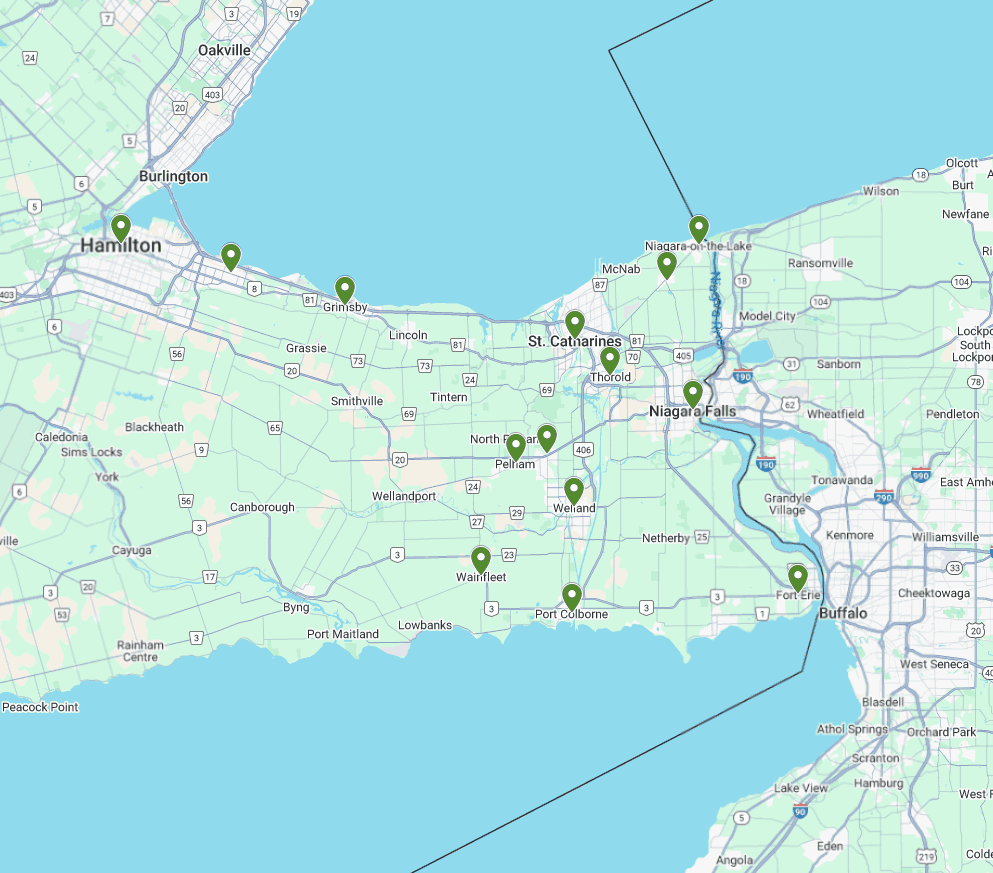
Our service areas encompass a wide range of locations, ensuring that we can meet the needs of our clients wherever they are. From bustling urban centers to serene rural landscapes, we are committed to providing top-notch services tailored to each unique environment.