



Fort Erie homeowners facing aging or underperforming mini splits can consider replacement for improved comfort, reliability, and energy savings. It describes when replacement is wiser than repair, what a professional pre-replacement assessment includes, how load calculations and cooling requirements are determined for Fort Erie climate, and how to select an efficient, corrosion-resistant system. It covers removal, installation, post-install testing, warranties, financing options, and long-term maintenance to maximize performance and value in Niagara Region conditions.
.jpeg)
Mini Split Replacement in Fort Erie, ON
Replacing a mini split in your Fort Erie home is about comfort, reliability, and long-term energy savings. With cold Ontario winters, humid summers, and proximity to Lake Erie, the right ductless system installed correctly can deliver efficient heating and cooling year round. It describes when replacement is the smarter choice than repair, what a professional pre-replacement assessment includes, how systems are selected and installed, and what to expect after installation — including financing and warranty considerations relevant to Fort Erie homeowners.
Why replace a mini split instead of repairing it
Common reasons Fort Erie homeowners choose replacement:
- Repeated breakdowns or escalating repair bills.
- Age of the system: many units reach the end of useful life after 10 to 15 years and lose efficiency.
- Poor capacity: undersized systems struggle during cold snaps, oversized systems short-cycle and reduce comfort.
- R-22 or obsolete refrigerants and parts that are costly or impossible to replace.
- Desire for higher efficiency models to reduce energy use and take advantage of rebates.
If a single, isolated component failed and the system is relatively new, repair is often appropriate. Replacement becomes the recommended option when the unit is old, efficiency is low, refrigerant or component sourcing is difficult, or when comfort and long-term operating costs are priorities.
Common mini split issues in Fort Erie homes
- Reduced heating performance in subzero temperatures if the unit is not a cold-climate model.
- Corrosion or rust on outdoor units from lake-effect moisture and road salt exposure.
- Frozen outdoor coils during extended cold periods when defrost cycles fail.
- Refrigerant leaks or compressor failure after many years of service.
- Uneven room temperatures from incorrect sizing or poor placement.
Pre-replacement assessment and load calculations
A proper replacement starts with a site visit and a detailed assessment:
- Visual inspection of existing indoor and outdoor units, mounting locations, and electrical service.
- Evaluation of home insulation, window types, sun exposure, and room usage.
- Manual J load calculation to determine the correct capacity needed for each zone, accounting for Fort Erie climate conditions and any recent home improvements.
- Review of electrical panel capacity and potential need for upgrades.
- Discussion about desired comfort, noise levels, and aesthetics.
Accurate load calculations are essential. Oversized units short-cycle and waste energy; undersized units struggle on the coldest nights. In Fort Erie, calculations must consider cold snaps and lake-effect humidity.
Selecting a more efficient or better-sized system
When choosing a replacement mini split, consider:
- Cold-climate ratings: look for units rated to operate efficiently at lower outdoor temperatures if you rely on the system for winter heating.
- Efficiency ratings: higher SEER and HSPF ratings mean lower operating costs.
- Zoned solutions: multi-zone systems provide better comfort control for different rooms and can be more efficient than single, oversized units.
- Corrosion-resistant components: galvanized or coated outdoor unit bases, and protective placement away from direct salt spray, extend equipment life near Lake Erie.
- Smart controls and variable-speed compressors for consistent comfort and reduced energy use.
Selecting the right brand and model also considers available warranty terms, local parts availability, and proven field performance in Niagara Region climates.
Removal and disposal of old equipment
A professional replacement includes safe removal and responsible disposal:
- Recovering refrigerant per Canadian environmental regulations.
- Disconnecting electrical and mounting hardware safely.
- Removing indoor units and concealment materials if being replaced.
- Proper disposal or recycling of metal, plastics, and refrigerant-containing components.
- Preparing the site for the new outdoor unit pad, brackets, or slab with corrosion-resistant fasteners.
Fort Erie properties may require specific placement to minimize exposure to road salt and splash from Lake Erie; installers will recommend optimal siting while meeting local codes.
Installation overview for the new system
Typical steps for a code-compliant replacement:
- Mount indoor units in optimized locations for airflow and comfort.
- Install outdoor unit on a level pad or wall bracket with vibration isolation.
- Run refrigerant lines, condensate drain, and communication wiring through insulated line sets and protected conduits.
- Connect to existing or upgraded electrical service with appropriate breakers and disconnects.
- Evacuate and leak-test refrigerant lines, then charge to manufacturer specifications.
- Commissioning and performance testing: verify heating and cooling capacity, airflow, defrost operation, and thermostat calibration.
- Clean up and leave the home tidy.
Expect installers to follow manufacturer installation manuals and local electrical and building codes, and to document the completed work.
Expected costs and financing or rebate options
Replacement cost depends on system capacity, number of zones, required electrical upgrades, complexity of installation, and the model selected. Instead of focusing on dollar figures, consider these cost factors:
- Equipment quality and efficiency level.
- Complexity of refrigerant routing and whether new line sets are needed.
- Structural work, electrical panel upgrades, or permits.
- Removal and disposal of the old system.
Fort Erie homeowners have access to a variety of financing and incentive options that can reduce net cost:
- Federal and provincial incentive programs aimed at efficient heat pump installations.
- Local utility or municipal rebates available periodically for energy-saving upgrades.
- Manufacturer or retailer promotions and financing plans that spread payments over time.Always verify current program eligibility and application procedures before committing to equipment.
Post-install testing, commissioning, and warranty information
A thorough post-install process ensures reliable performance:
- Leak tests and vacuum checks to confirm system integrity.
- Measurement of refrigerant charge and airflow to meet manufacturer specifications.
- Performance checks at low outdoor temperatures to verify heating capacity and defrost cycles.
- Walk-through with the homeowner on controls, maintenance tasks, and filter care.
Warranties protect your investment:
- Manufacturer warranty on compressors and major components.
- Installer workmanship warranty covering installation-related issues for a defined period.Keep warranty documentation and the installation report in a safe place. Some warranties require professional maintenance at scheduled intervals to remain valid.
Long-term benefits and maintenance advice
Replacing an aging mini split with a properly sized, modern unit designed for Fort Erie conditions improves comfort, reliability, and energy efficiency. Regular maintenance extends system life and keeps warranties intact:
- Clean or replace filters as recommended.
- Annual professional inspections before the heating season.
- Keep outdoor units clear of debris, snow, and corrosive residues.
- Monitor for unusual noises, reduced airflow, or unexpected cycling.
Choosing a replacement strategy that considers Fort Erie winters, lake-effect conditions, and home-specific load requirements delivers the best value and year-round comfort for your home.

Customer Testimonials

I called John today at 2:pm as my AC was not working and I wasn’t expecting even a call back as I knew with this hot weather we have had he would be swamped with calls. Well he called me back and showed at 8:pm on the same day to fix my AC. That is just incredible service and how much John really cares about his clients. Thank you John !

Lifesavers!! The AC in our house decided to quit the day we were passing the keys to the new owners!! Instead of making a service call to the house, John coached me through the minor repair over the phone, saving me the money and time waiting for a repair person to come.Much appreciated! Thanks again John
We had an amazing experience getting our new furnace installed with Niagara Home Heating. The owner was very helpful, their quote was more then competitive and the technician who installed the unit was professional and friendly. I would recommend their services.
Very efficient company. I needed an old solar water heater removed from my roof. They were quick to book an appointment for the next day after I sent photos. They were very knowledgeable of the issue. The 2 guys that came were friendly and competent with the job, including removal of all parts.
I had an issue with my hot water tank and called Niagara Home Heating. Their service was fantastic and reasonably priced—exactly how a business should be run!
I have used Niagara Home heating for multiple projects for over 16 years. John and his staff are absolutely the best. I tell all my friends and family about Niagara Home Heating because you won’t get any better service or pricing anywhere in Niagara. He has saved me thousands and thousands of dollars and has never let me down.

Service Areas
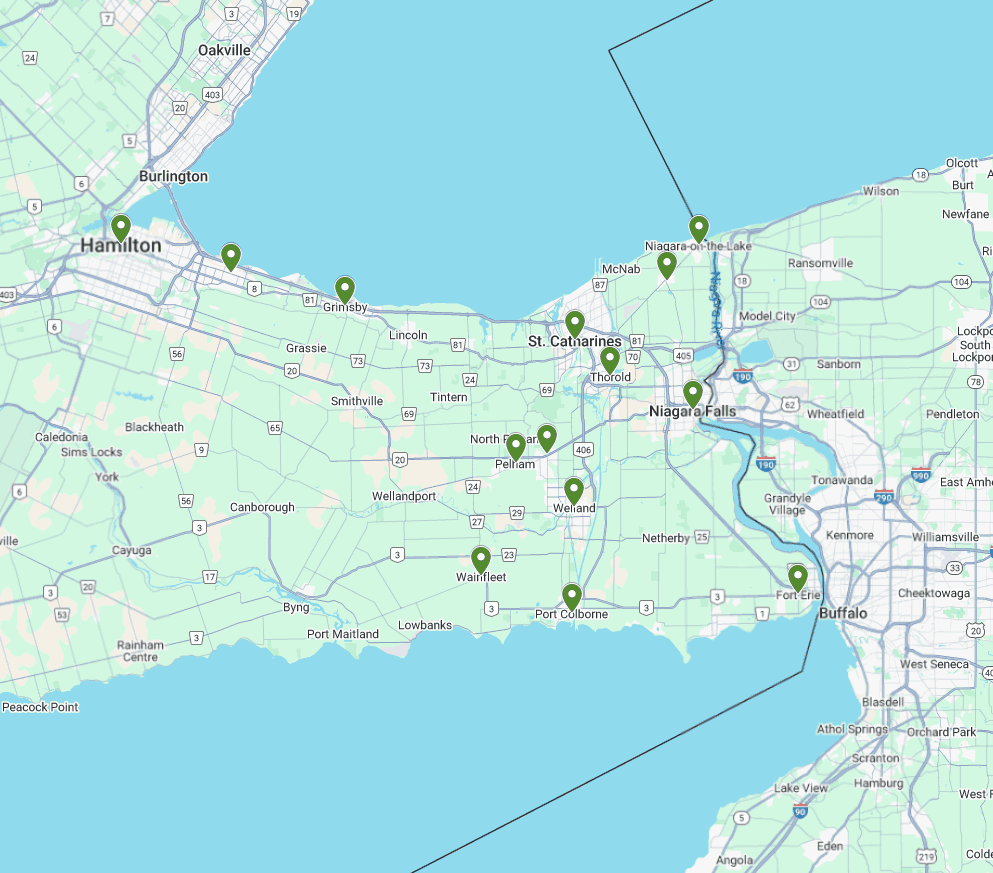
Our service areas encompass a wide range of locations, ensuring that we can meet the needs of our clients wherever they are. From bustling urban centers to serene rural landscapes, we are committed to providing top-notch services tailored to each unique environment.