



Mini split installation in Grimsby, ON delivers year-round comfort with precise zoning, energy efficiency, and reliable heating and climate control performance. It describes covers the end-to-end process from pre-install assessment and load calculations through indoor/outdoor unit placement, refrigerant and electrical requirements, and commissioning, plus common issues and maintenance tips. It explains how professional evaluation prevents oversizing, ensures proper airflow, and secures warranties, while outlining realistic timelines for site assessment, installation, permits, and post-installation walkthroughs for homeowners. A clear summary helps homeowners plan and budget.
.jpeg)
Mini Split Installation in Grimsby, ON
A properly installed mini split provides year round comfort, precise temperature control, and significant energy savings for Grimsby, ON homes. Whether you are replacing an aging window unit, upgrading a basement or finishing a renovation, a correctly sized and installed ductless mini split can deliver efficient cooling in humid summer months and reliable heating during cold winter snaps influenced by Lake Ontario. It describes the end-to-end mini split installation process in Grimsby, common issues to watch for, and what to expect from site assessment through commissioning and workmanship guarantees.
Why a mini split makes sense in Grimsby, ON
- Grimsby experiences warm, humid summers and cold, variable winters. A ductless mini split offers efficient cooling and heat pump heating that can reduce reliance on fossil fuel systems.
- Zoned temperature control is ideal for older homes or additions where extending ductwork is impractical.
- Modern systems perform well in colder temperatures and can complement or replace existing heating systems to increase overall home efficiency.
Common mini split types and common mini split issues in Grimsby, ON
- Single-zone wall-mounted mini splits for bedrooms or small living areas.
- Multi-zone systems that serve several rooms with one outdoor unit.
- Floor consoles and low-profile ceiling cassettes for basements, renovations, or heritage homes where wall space is limited.
Common issues residents encounter:
- Undersized systems that struggle on peak summer or winter days.
- Poor indoor unit placement causing uneven comfort or noise complaints.
- Improper refrigerant charge or long line runs reducing efficiency.
- Blocked condensate drains or insufficient outdoor clearances leading to ice build-up.
Pre-install assessment and load calculation
A thorough pre-install assessment is the foundation of a successful mini split installation in Grimsby. Key steps include:
- Manual load calculation: A room-by-room load calculation considers square footage, insulation, window orientation, occupancy, and local weather patterns. This determines correct capacity and number of indoor units.
- Building evaluation: Inspect insulation levels, existing electrical service capacity, and possible mounting locations for indoor and outdoor units.
- Zoning strategy: Identify rooms that benefit most from zone control and plan multi-zone layouts to balance performance and cost.
- Line set and route planning: Determine shortest, most discreet path for refrigerant lines, condensate drain, and electrical wiring to minimize visual impact and heat loss.
A professional assessment prevents oversizing or undersizing and identifies potential obstacles that add time or complexity during installation.
Site preparation and indoor/outdoor unit placement
Indoor unit placement
- Mount indoor units on interior walls away from direct sunlight and drafts, at least 6 to 8 feet above the floor where possible for even air distribution.
- Avoid placing units directly above heat sources or behind large furniture. Consider sight lines and noise preferences for bedrooms and living spaces.
- For multi-zone systems, distribute units to minimize long runs and maintain balance between zones.
Outdoor unit placement
- Select a level, well-drained location with at least 12 to 24 inches of clearance on all sides for airflow and maintenance.
- Avoid placing the outdoor unit near bedroom windows or property lines where compressor noise could be an issue.
- In Grimsby winters, consider a raised pad or concrete curb to keep the unit above snowdrift levels and allow for proper defrost cycles.
Site preparation tasks typically include protective floor runners, minor drywall drilling for lines, and clearing the immediate outdoor area.
Refrigerant line, condensate, and electrical requirements
- Refrigerant lines must be routed and insulated properly to prevent energy loss and condensation. Manufacturers specify maximum line lengths and elevation changes that must be observed.
- All refrigerant brazing and charging should be performed by certified technicians. Systems are usually vacuumed to remove moisture and charged by weight to manufacturer specifications for optimal performance.
- Condensate drain lines need a continuous downward slope or condensate pumps where gravity routing is not possible.
- Electrical work: Mini splits require a dedicated circuit with appropriate breaker sizing and an outdoor disconnect per local electrical code. Verify the home’s electrical capacity before installation to avoid surprises.
- Modern refrigerants (for example R410A or R32) have specific handling requirements; licensed installers will match equipment to local codes and manufacturer instructions.
Code and permit considerations in Grimsby
Mini split installations may require local building permits or electrical notifications depending on scope and municipality rules. Key considerations:
- Compliance with Ontario Building Code and local Grimsby permitting requirements.
- Electrical work may require notification or inspection by licensed electrical contractors in some cases.
- Installations affecting structural elements or requiring penetrations through exterior walls should be documented for inspection.
Licensed installers will manage permit submissions and ensure installations meet local code to avoid future issues during renovations or property resale.
Commissioning and performance testing
Proper commissioning confirms the system will operate reliably and efficiently:
- Leak testing and vacuuming of line sets before charging.
- Measuring refrigerant pressures and adjusting charge according to manufacturer specifications.
- Verifying airflow, temperature split across the evaporator (typically 15 to 20 degrees C difference on cooling), thermostat function, and zone balancing.
- Checking defrost cycles and heat mode performance for colder days.
- Inspecting condensate flow and making sure outdoor clearances and vibration isolation are adequate.
Performance testing ensures the mini split reaches rated capacity and operates quietly.
Post-installation walkthrough and homeowner orientation
A clear post-installation walkthrough helps homeowners get the most from their new system:
- Demonstration of remote controls, scheduling, and smart features where available.
- Explanation of basic maintenance tasks: cleaning or replacing filters, keeping outdoor unit clear of debris and snow, and what to do if the unit displays error codes.
- Discussion of typical operating noise levels, expected energy use patterns, and seasonal settings for efficiency.
- Documentation of warranty coverage and workmanship guarantees including what is covered and for how long.
Estimated timelines and workmanship guarantees
Typical timelines for Mini Split Installation in Grimsby, ON:
- Site assessment and load calculation: 1 to 2 hours for most houses.
- Single-zone installation: half day to one full day.
- Multi-zone installations: one to three days depending on number of zones and wall penetrations.
- Permitting and inspections: add variable time depending on municipal processing.
Workmanship guarantees should be clearly documented. Reputable installers provide a workmanship warranty covering installation labor and typically support manufacturer equipment warranties. Ensure documentation details response times for service calls and what is covered under each warranty.
Maintenance and long-term tips
- Clean or replace indoor filters every 1 to 3 months depending on use and indoor air quality.
- Schedule an annual inspection before peak cooling or heating seasons to check refrigerant charge, controls, and electrical connections.
- Keep the outdoor unit free of snow, leaves, and grass clippings and ensure good airflow year round.
- Address odd noises, reduced airflow, or unexpected error codes quickly to avoid larger repairs.
A properly installed and maintained mini split delivers consistent comfort, lower energy use, and improved indoor air quality for Grimsby homeowners. Following careful load calculation, thoughtful placement, correct refrigerant and electrical installation, and full commissioning ensures the system performs reliably through humid summers and cold winter months.

Customer Testimonials

I called John today at 2:pm as my AC was not working and I wasn’t expecting even a call back as I knew with this hot weather we have had he would be swamped with calls. Well he called me back and showed at 8:pm on the same day to fix my AC. That is just incredible service and how much John really cares about his clients. Thank you John !

Very efficient company. I needed an old solar water heater removed from my roof. They were quick to book an appointment for the next day after I sent photos. They were very knowledgeable of the issue. The 2 guys that came were friendly and competent with the job, including removal of all parts.
I have used Niagara Home heating for multiple projects for over 16 years. John and his staff are absolutely the best. I tell all my friends and family about Niagara Home Heating because you won’t get any better service or pricing anywhere in Niagara. He has saved me thousands and thousands of dollars and has never let me down.
Lifesavers!! The AC in our house decided to quit the day we were passing the keys to the new owners!! Instead of making a service call to the house, John coached me through the minor repair over the phone, saving me the money and time waiting for a repair person to come.Much appreciated! Thanks again John
I had an issue with my hot water tank and called Niagara Home Heating. Their service was fantastic and reasonably priced—exactly how a business should be run!
We had an amazing experience getting our new furnace installed with Niagara Home Heating. The owner was very helpful, their quote was more then competitive and the technician who installed the unit was professional and friendly. I would recommend their services.

Service Areas
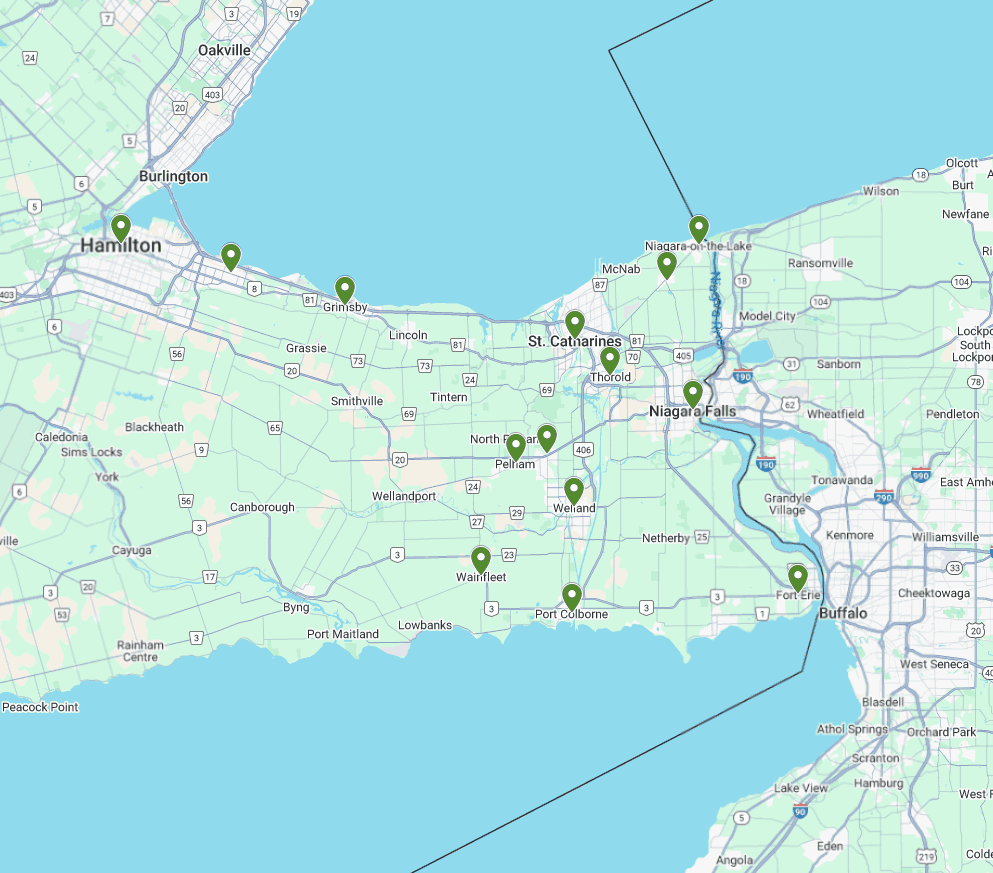
Our service areas encompass a wide range of locations, ensuring that we can meet the needs of our clients wherever they are. From bustling urban centers to serene rural landscapes, we are committed to providing top-notch services tailored to each unique environment.