



It describes when replacing a ductless mini split is more cost-effective than repairing it in Grimsby, ON, considering age, performance, and ownership costs. It guides readers through a professional replacement process, from load calculations and unit selection to removal, installation, and commissioning, with emphasis on safety and environmental disposal. It compares energy savings and long-term costs, describess rebates and financing options, and sets expectations for timelines, warranty coverage, and post-installation maintenance for Grimsby homes.
.jpeg)
Mini Split Replacement in Grimsby, ON
Replacing a ductless mini split can be the smartest way to restore comfort, improve efficiency, and reduce operating costs for Grimsby homes. Coastal weather from Lake Ontario means humid summers and cold winters, so an aging or undersized mini split often struggles through peak seasons. It describes when replacement is the right choice versus repair, walks through the step-by-step replacement process, compares energy and long-term costs, outlines common rebate, financing, and warranty options, and sets expectations for timeline and installation in Grimsby, ON.
When replacement is recommended vs repair
Choosing replacement instead of repair usually comes down to age, performance, and total cost of ownership.
Common reasons to replace a mini split:
- System age over 10 to 12 years, when refrigerant types and components are near end of life.
- Frequent breakdowns or increasing repair bills that approach the cost of a new unit.
- Markedly reduced heating or cooling capacity, ice buildup, or chronic short cycling.
- Old refrigerant (R-22) or leaking refrigerant that will be costly or impossible to replace.
- Poor efficiency causing high electricity bills, especially during Grimsby’s humid summers or cold snaps.
- Need for better zoning, quieter operation, or improved indoor air quality.
When repair is reasonable:
- Single component failure (fan motor, control board, or sensor) on a relatively new unit.
- A recent installation with a covered warranty.
- Cosmetic issues or minor refrigerant top-ups after verified leak repair.
If you are seeing repeated failures, rising bills, and reduced comfort, replacement typically provides better long-term value, especially when combined with higher-efficiency models sized correctly for your home.
Replacement process: what a professional service includes
A professional mini split replacement should be a straightforward, orderly process. Typical steps:
- System evaluation and load calculation
- A technician inspects your current system, checks electrical capacity, assesses ductless zones, and performs a heating/cooling load calculation for accurate sizing. Proper sizing avoids short cycling and maximizes efficiency for Grimsby’s variable climate.
- Selecting the right unit
- Options include single-zone or multi-zone systems with higher SEER, HSPF, or COP ratings. The technician helps balance efficiency, indoor unit styles, noise levels, and budget to choose a unit properly sized for each room.
- Removal and refrigerant disposal
- The old outdoor and indoor units are safely removed. Refrigerant is recovered and disposed of following Canadian regulations to protect the environment.
- Installation and mounting
- The outdoor condensing unit is placed on a level pad or wall bracket. Indoor units are mounted on walls or recessed into ceilings. Refrigerant lines, condensate drain, and electrical feeds are routed with minimal disruption to your home.
- Vacuum, charge, and commissioning
- The system is evacuated, charged to manufacturer specifications, and commissioned. Technicians verify operation in heating and cooling modes, airflow, controls, and thermostat integration.
- Cleanup and walkthrough
- Job site protection and cleanup are standard. You receive a system walkthrough explaining operation, maintenance tips, and warranty coverage.
Energy savings and long-term cost comparison
Upgrading to a modern, high-efficiency mini split can lower energy use and improve comfort. Typical outcomes:
- Efficiency gains: New units often offer 20 to 40 percent better efficiency versus older systems, depending on the original equipment and the replacement model.
- Reduced operating costs: Improved efficiency and variable-speed inverter compressors cut electricity draw during Grimsby’s peak cooling days and cold winter operation.
- Longer lifespan and fewer repairs: New equipment generally comes with warranties and reduced maintenance in the first 5 to 10 years.
- Payback factors: Energy savings, local electricity rates, and available rebates affect payback. In many cases, homeowners see meaningful savings within a few years compared with ongoing repair costs for older units.
Proper sizing and professional installation are essential to realize these savings. An undersized or oversized system will underperform and cost more to operate.
Rebates, financing, and warranty options
While specific programs change, common avenues to reduce upfront cost include:
- Federal and provincial incentives: Programs occasionally provide grants or rebates for energy-efficient heat pumps or ductless systems. Check current federal and Ontario offerings for eligibility.
- Utility or municipal rebates: Local utilities sometimes offer rebates for high-efficiency heat pumps or home energy upgrades. Availability can vary across the Niagara region.
- Manufacturer rebates: Periodic promotions from manufacturers can lower equipment costs.
- Contractor financing: Many installers provide financing options, including low-interest loans or payment plans, to spread the investment over time.
- Warranties: New equipment typically includes a manufacturer parts and compressor warranty (often 5 to 10 years). Reputable installers also offer labour warranties and a workmanship guarantee. Extended warranty packages can be available for added peace of mind.
Ask your installer for the latest incentive guidance and documentation help when applying for rebates or grants.
Typical timeline and what to expect on installation day
A replacement project for a single-zone mini split in Grimsby often follows this timeline:
- Site visit and estimate: 1 to 3 days to schedule an on-site evaluation.
- Ordering equipment: 1 to 2 weeks depending on model availability. Popular high-efficiency units may take longer during peak seasons.
- Permits and paperwork: If a permit is required, this can add a few days.
- Installation day: A single-zone replacement commonly takes 4 to 8 hours. Multi-zone systems or complex installs require 1 to 3 days.
- Commissioning and follow-up: Same day as installation, with a possible follow-up visit within a few weeks.
What to expect while technicians are in your home:
- Protective coverings for floors and furniture.
- Clear explanation of work scope and timeline before starting.
- Minimal intrusion: mini splits require small penetrations (about 2-3 inches) through the wall for refrigerant lines and condensate.
- Safe handling and environmentally responsible disposal of old refrigerant and equipment.
- Final system check and a walkthrough showing controls, maintenance points, and filter replacement.
Maintenance and long-term care
After replacement, routine maintenance keeps performance and efficiency high:
- Replace or clean filters every 1 to 3 months.
- Annual professional tune-up before peak heating or cooling seasons.
- Keep outdoor unit clear of snow, debris, and plant growth—important in Grimsby where winter snow and spring growth can restrict airflow.
Replacing a failing mini split is an investment in comfort, efficiency, and home value. With the right sizing, high-efficiency equipment, and professional installation tailored for Grimsby, ON homes, you’ll get quieter, more reliable heating and cooling and lower operating costs over the long run.

Customer Testimonials

I had an issue with my hot water tank and called Niagara Home Heating. Their service was fantastic and reasonably priced—exactly how a business should be run!

Very efficient company. I needed an old solar water heater removed from my roof. They were quick to book an appointment for the next day after I sent photos. They were very knowledgeable of the issue. The 2 guys that came were friendly and competent with the job, including removal of all parts.
I have used Niagara Home heating for multiple projects for over 16 years. John and his staff are absolutely the best. I tell all my friends and family about Niagara Home Heating because you won’t get any better service or pricing anywhere in Niagara. He has saved me thousands and thousands of dollars and has never let me down.
I called John today at 2:pm as my AC was not working and I wasn’t expecting even a call back as I knew with this hot weather we have had he would be swamped with calls. Well he called me back and showed at 8:pm on the same day to fix my AC. That is just incredible service and how much John really cares about his clients. Thank you John !
We had an amazing experience getting our new furnace installed with Niagara Home Heating. The owner was very helpful, their quote was more then competitive and the technician who installed the unit was professional and friendly. I would recommend their services.
Lifesavers!! The AC in our house decided to quit the day we were passing the keys to the new owners!! Instead of making a service call to the house, John coached me through the minor repair over the phone, saving me the money and time waiting for a repair person to come.Much appreciated! Thanks again John

Service Areas
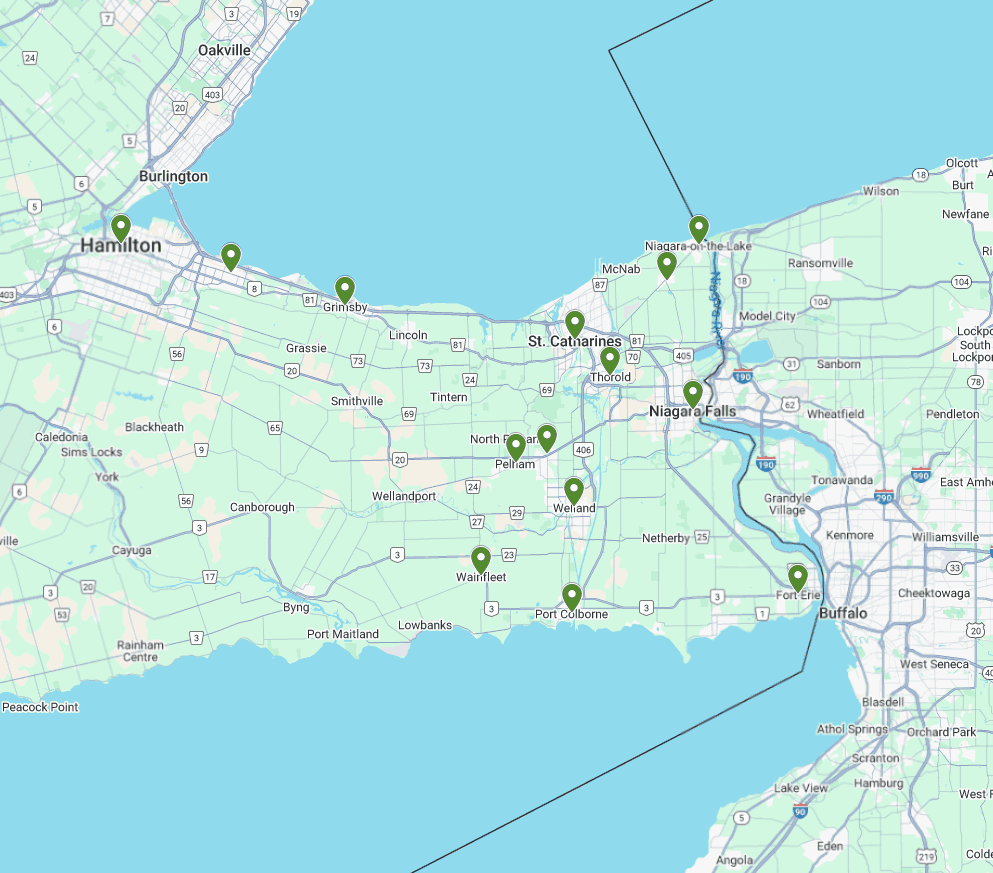
Our service areas encompass a wide range of locations, ensuring that we can meet the needs of our clients wherever they are. From bustling urban centers to serene rural landscapes, we are committed to providing top-notch services tailored to each unique environment.