



Tankless water heater installation in Hamilton, ON covers the full process from initial consultation and load sizing through site inspection, permits, commissioning, warranties, and ongoing maintenance. The guide highlights local factors like cold winters and hard water that influence unit selection, sizing, and preventive care. It describes fuel options, venting considerations, and common installation challenges, then describes professional steps, testing, and safety checks. It also emphasizes proper documentation, compliance with codes, and long-term performance, reliability, and energy savings for Hamilton homes.
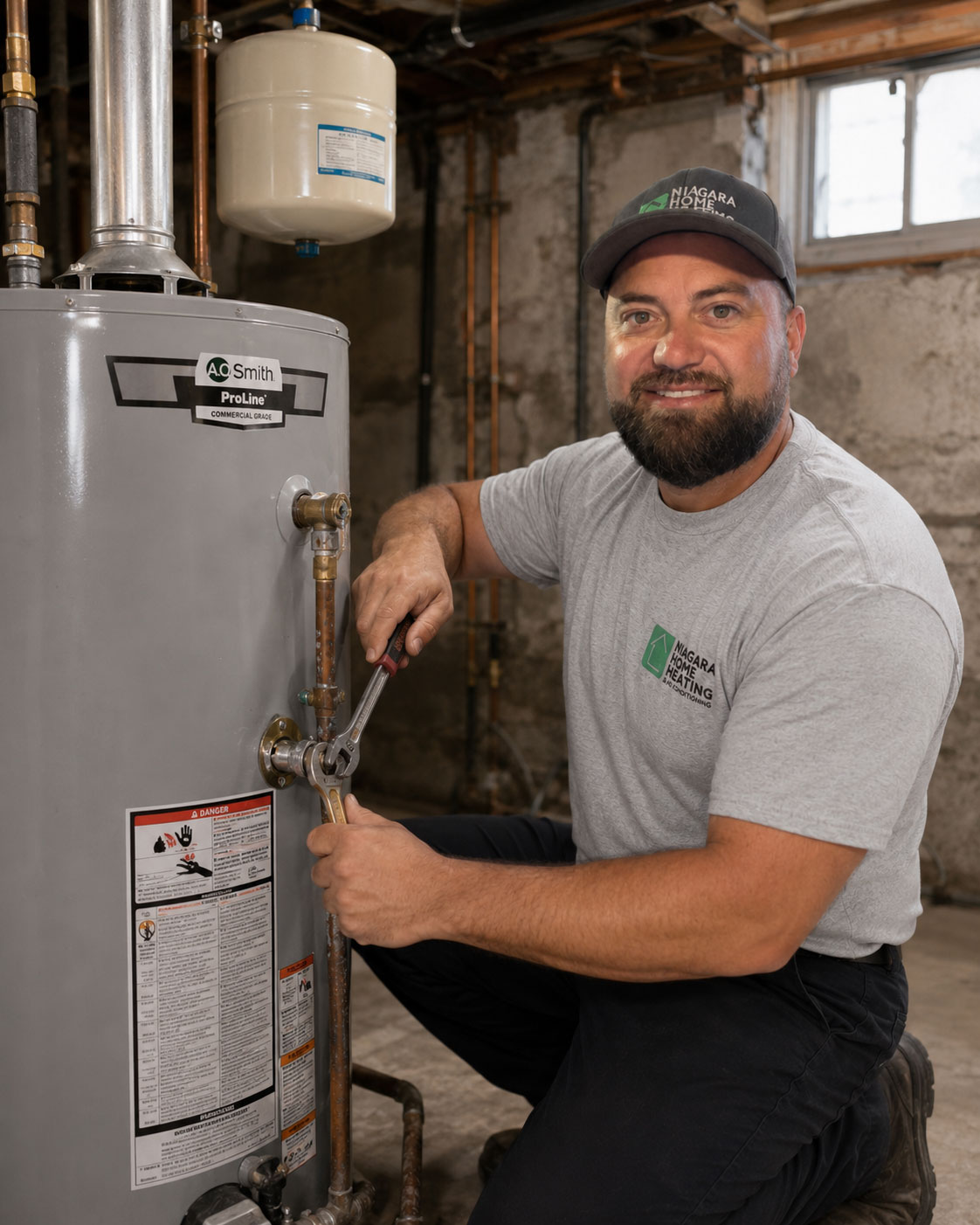
Tankless Water Heater Installation in Hamilton, ON
Installing a tankless water heater is one of the most effective ways to reduce energy use, reclaim space, and get on-demand hot water for your Hamilton home. the full installation process you can expect for a tankless water heater in Hamilton, ON — from the initial consultation and site inspection through permitting, commissioning, warranties, and maintenance — with attention to local factors like cold winters and water hardness that influence system selection and longevity.
Why choose tankless for Hamilton homes
- Continuous hot water for baths, laundry, and kitchen use without a large storage tank
- Improved energy efficiency, especially for households with intermittent hot water needs
- Smaller footprint makes them well suited to older Hamilton homes or tight mechanical rooms
- Reduced risk of tank corrosion and large-volume leaks
Hamilton winters and local groundwater can influence performance. Colder inlet water raises the heating demand, and moderate-to-hard water in many areas increases the risk of mineral scale. Both factors affect sizing and maintenance decisions.
Common tankless water heater installation types and issues in Hamilton
- Natural gas or propane tankless units for high-flow, whole-house applications
- Electric tankless in small-point-of-use situations or where gas is unavailable
- Condensing versus non-condensing units (condensing models offer higher efficiency but need condensate drainage and corrosion-resistant venting)
- Common installation challenges in Hamilton homes:
- Undersized gas lines or insufficient gas pressure for larger units
- Inadequate venting paths in retrofit installations
- Low incoming water temperature in winter requiring larger capacity
- Hard water causing scale build-up and reduced heat exchanger life
Initial consultation and load/flow sizing
A proper installation starts with an in-home consultation to determine your household hot water demand. This includes:
- Counting simultaneous fixtures and appliances (showers, dishwashers, washing machines)
- Calculating required flow rate in gallons per minute (GPM) and required temperature rise (difference between incoming water temp and desired output)
- Applying a cold-climate correction factor for Hamilton winters to ensure the unit can meet peak needs
- Recommending condensing or non-condensing models based on efficiency goals and venting feasibility
Correct sizing avoids short cycling, insufficient water temperatures, and premature wear.
Site inspection and required upgrades
A thorough site inspection identifies any upgrades needed before installation:
- Gas system: check pipe size, supply pressure, and regulator capacity. Larger tankless units often require upsized gas piping.
- Venting: assess whether existing vent pathways work for a new unit or if new straight runs, stainless steel vent, or special termination locations are required. Condensing units require corrosion-resistant venting and a condensate drain.
- Electrical: confirm circuit capacity for electric models or for powered controls and circulating pumps on gas units. Some systems need a dedicated 120V or 240V connection.
- Water: check water pressure, presence of inlet filters, and recommend a water softener or descaler where hardness is high.
- Clearances and mounting: structural support for wall-mounted units and access for service.
Professional installation steps
Code, permits, and inspections in Hamilton
Installations must comply with the Ontario Building Code and local municipal regulations. Typical permit and compliance items:
- Building permit or gas permit and submission of manufacturer installation documentation
- Municipal inspection of gas and plumbing work where required by the City of Hamilton
- Adherence to CSA and local standards for venting, combustion air, and clearances
- Ensuring carbon monoxide detectors and smoke alarms meet Ontario requirements in homes with fuel-burning appliances
Expect the installer to prepare permit paperwork and schedule any required inspections with the municipality.
Expected timeframe
- Typical replacement or direct swap: most residential installs can be completed in one full day when no major gas or vent upgrades are needed.
- Retrofits requiring gas line upsizing, new venting, or electrical work: 1 to 3 days depending on complexity and permit timing.
- New-construction or major renovations: timeline coordinated with other trades and permitting schedules.
Commissioning and performance testing
After installation, a professional commissioning process verifies safe, reliable operation:
- Ignition and flame stability checks on gas units
- Flow and temperature tests at multiple fixtures to confirm output under load
- Leak tests for water and gas systems
- Venting draft and termination inspection
- Condensate drain check for condensing units
- Verification of control settings and low-water cutoffs where applicable
- Documentation of test results and manufacturer warranty registration
Testing ensures the system meets the calculated capacity and operates safely in Hamilton’s climate.
Warranty and service considerations
- Most manufacturers offer a parts and heat-exchanger warranty; labor warranties vary by installer
- Warranty registration and proof of professional installation are often required to maintain coverage
- Keep installation documentation and commissioning records in case of warranty claims
Maintenance tips to extend life in Hamilton
- Annual descaling or flushing is recommended in areas with hard water to prevent scale buildup on the heat exchanger
- Clean inlet filters and sediment traps regularly
- Inspect venting and condensate drains yearly, and during early spring and late fall
- Consider a whole-house water softener or a dedicated softener for the unit’s feed line if hardness is confirmed
- Protect exterior vent terminations from freezing and snow buildup during Hamilton’s winter months
Rental or temporary hot water solutions during installation
If an installation requires extended downtime or replacement scheduling, temporary options include:
- Rental tankless units or temporary electric hot water tanks to maintain hot water service during upgrades
- Portable electric tanks for short-term use during replacements or emergencies
These solutions can be specified during the consultation to minimize disruption.
Final considerations
A correctly sized and professionally installed tankless water heater provides consistent hot water, energy savings, and a compact footprint well suited to Hamilton homes. Proper site assessment, attention to local cold-weather and water-quality factors, adherence to Ontario and municipal codes, thorough commissioning, and regular maintenance are the keys to reliable long-term performance.

Customer Testimonials

We had an amazing experience getting our new furnace installed with Niagara Home Heating. The owner was very helpful, their quote was more then competitive and the technician who installed the unit was professional and friendly. I would recommend their services.

I called John today at 2:pm as my AC was not working and I wasn’t expecting even a call back as I knew with this hot weather we have had he would be swamped with calls. Well he called me back and showed at 8:pm on the same day to fix my AC. That is just incredible service and how much John really cares about his clients. Thank you John !
Very efficient company. I needed an old solar water heater removed from my roof. They were quick to book an appointment for the next day after I sent photos. They were very knowledgeable of the issue. The 2 guys that came were friendly and competent with the job, including removal of all parts.
I have used Niagara Home heating for multiple projects for over 16 years. John and his staff are absolutely the best. I tell all my friends and family about Niagara Home Heating because you won’t get any better service or pricing anywhere in Niagara. He has saved me thousands and thousands of dollars and has never let me down.
Lifesavers!! The AC in our house decided to quit the day we were passing the keys to the new owners!! Instead of making a service call to the house, John coached me through the minor repair over the phone, saving me the money and time waiting for a repair person to come.Much appreciated! Thanks again John
I had an issue with my hot water tank and called Niagara Home Heating. Their service was fantastic and reasonably priced—exactly how a business should be run!

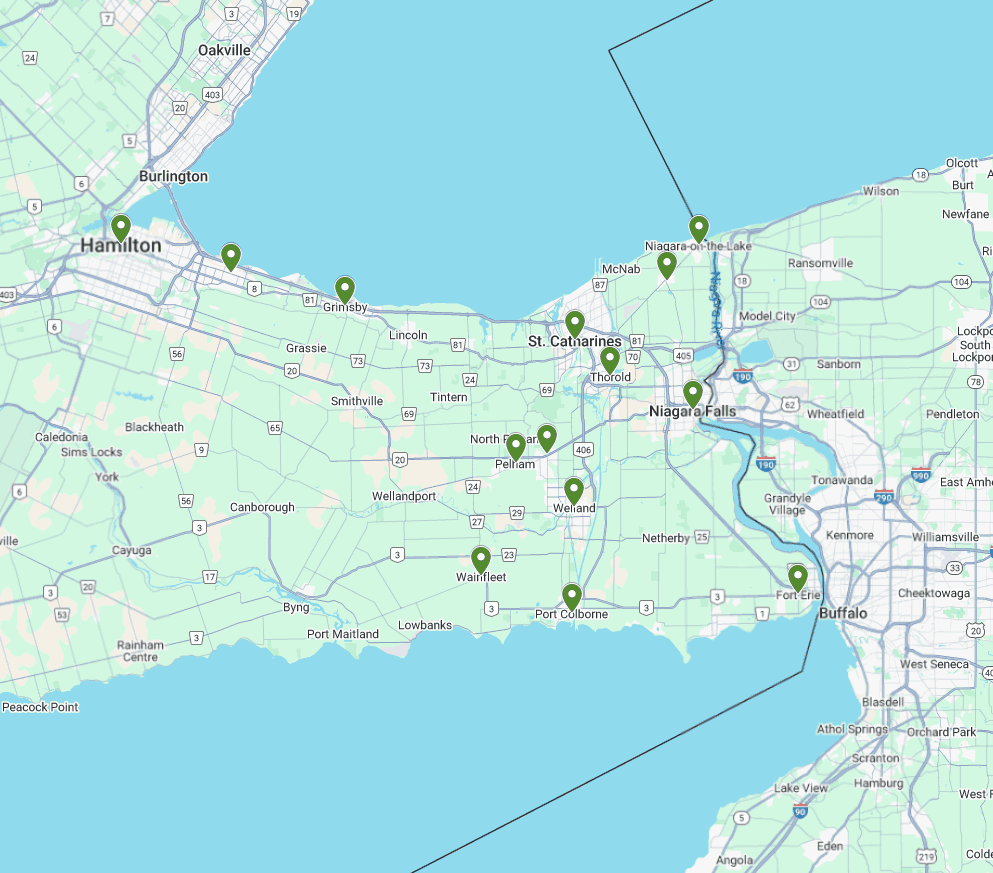
Service Areas
Our service areas encompass a wide range of locations, ensuring that we can meet the needs of our clients wherever they are. From bustling urban centers to serene rural landscapes, we are committed to providing top-notch services tailored to each unique environment.