



An expert water heater installation in Hamilton, ON covers choosing the right system, sizing, venting, and safety considerations for colder winters. The guide describes conventional tank, tankless, heat pump, and high-efficiency gas options, and describes how a pre-install assessment determines capacity, fuel compatibility, and venting needs. It describes a step-by-step installation, commissioning, user orientation, maintenance best practices, warranty details, and scheduling or financing options to minimize downtime and ensure long-term reliability and energy efficiency outcomes.
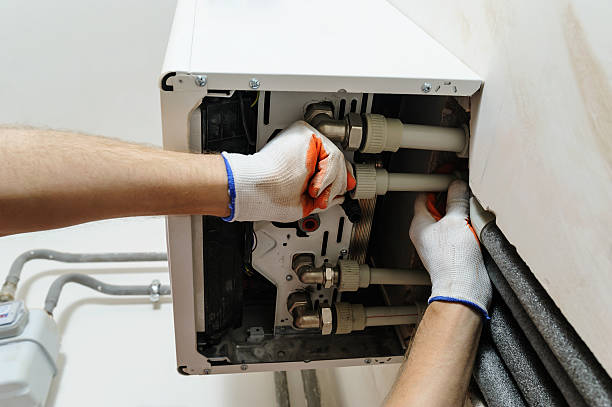
Water Heater Installation in Hamilton, ON
Replacing or installing a water heater is one of the most important home upgrades for comfort, safety, and energy savings. For homeowners in Hamilton, ON, the right installation must account for cold winter demands, older home layouts, and local fuel options. what a professional water heater installation includes, common local issues, recommended equipment choices, the step-by-step installation process, commissioning and user orientation, maintenance best practices, warranty considerations, and typical scheduling and financing options.
Why proper water heater installation matters in Hamilton
Hamilton homes often face long, cold winters and variable water quality that can accelerate wear on heaters. Incorrect sizing or poor venting can lead to insufficient hot water, higher utility bills, premature failure, or safety hazards like backdrafting and leaks. A professional installation ensures your system is correctly sized, safely connected to the home’s gas or electrical supply, meets municipal and provincial code, and performs efficiently through its service life.
Common water heater types and recommended options
Choosing the right technology depends on household size, available fuel, space constraints, and efficiency priorities.
- Conventional tank water heaters (gas or electric)
- Good for households with steady, predictable hot water use
- Easier and often less expensive to install in retrofit situations
- Look for high EF/UE ratings and improved insulation
- Tankless (on-demand) water heaters
- Provide continuous hot water and smaller footprint
- Best for homes with space constraints or where energy efficiency is a priority
- Require proper gas line sizing or dedicated high-capacity electrical supply
- Heat pump (hybrid) water heaters
- Most efficient for homes with sufficient utility incentives and space for air exchange
- Offer major energy savings in moderate climates and when installed in conditioned or warm spaces
- Condensing or high-efficiency gas models
- For homes on natural gas wanting maximum efficiency from combustion heaters
Recommended equipment options should be matched during the pre-install assessment to ensure right-sizing, correct fuel compatibility, and appropriate venting strategies.
Common water heater problems in Hamilton homes
- Sediment buildup from mineral-rich local water causing reduced efficiency and noisy operation
- Insufficient capacity for larger families or homes with multiple bathrooms renovated for higher demand
- Corrosion and leaks in older tanks, especially in basements with damp conditions
- Improper venting in older homes leading to backdrafting and carbon monoxide risk
- Undersized gas lines or weak electrical circuits for modern tankless systems
Pre-install assessment: what to expect
A thorough pre-install assessment addresses site, fuel type, capacity, and code requirements:
- Evaluate installation location (basement, utility room, garage) and available clearance for service and ventilation
- Identify fuel type: natural gas, propane, or electric and verify supply adequacy (gas line diameter, meter capacity, or electrical panel capacity)
- Calculate required capacity and recovery rate based on household size, fixture count, and peak simultaneous usage
- Inspect venting pathway, combustion air availability, and potential need for power vents or direct venting
- Check for water quality issues and recommend corrosion protection (sacrificial anode, glass-lined tank) or water softening where appropriate
- Confirm permit requirements and applicable local codes for Hamilton and Ontario, including fuel-fired appliance regulations and municipal building permits
Professional installation process (step-by-step)
Testing, commissioning, and user orientation
A proper commissioning includes verifying thermostat accuracy, pressure relief valve operation, temperature and pressure settings, and safety devices. For gas units, flue gases and draft tests confirm safe combustion. During orientation, homeowners should be shown how to set temperature, drain the tank, reset breakers or gas valves, and recognize signs of trouble such as unusual noises, discolored water, or persistent leaks.
Maintenance recommendations for longevity
- Annually flush tank-type heaters to remove sediment and improve efficiency
- Inspect and replace sacrificial anodes when corroded to extend tank life
- Test the temperature-pressure relief valve yearly for proper operation
- For tankless systems, perform descaling or manufacturer-recommended flushing in areas with hard water every 1–3 years
- Check venting paths and combustion air for blockages or deterioration annually
- Install a water softener or pre-treatment where high mineral content is present to reduce scale buildup
Warranty and code compliance
New water heaters typically come with manufacturer warranties covering parts and, in some cases, labor for a defined period. Workmanship warranties from the installer protect against installation-related issues. Professional installations comply with municipal building codes and provincial fuel-safety regulations, and include permit handling and inspection coordination to ensure your installation meets Hamilton and Ontario standards.
Scheduling and financing options
Installations can range from same-day replacements for straightforward retrofits to multi-day projects when pipe, venting, or electrical upgrades are required. Many homeowners choose financing plans or equipment financing to spread the cost of high-efficiency or tankless systems. Financing options and scheduling flexibility are commonly available to match project scope and homeowner preferences.
Benefits of a professional installation
A properly installed water heater delivers reliable hot water, improved energy efficiency, lower operating costs, reduced risk of leaks or carbon monoxide exposure, and adds value to your property. In Hamilton, where cold temperatures and older housing stock increase hot water demand and stress on equipment, professional sizing, venting, and code-compliant installation are essential to long-term performance.
By addressing site-specific factors, matching the right technology, and following a complete installation and maintenance plan, homeowners in Hamilton, ON can achieve safe, efficient, and dependable hot water for years to come.

Customer Testimonials

I had an issue with my hot water tank and called Niagara Home Heating. Their service was fantastic and reasonably priced—exactly how a business should be run!

Lifesavers!! The AC in our house decided to quit the day we were passing the keys to the new owners!! Instead of making a service call to the house, John coached me through the minor repair over the phone, saving me the money and time waiting for a repair person to come.Much appreciated! Thanks again John
Very efficient company. I needed an old solar water heater removed from my roof. They were quick to book an appointment for the next day after I sent photos. They were very knowledgeable of the issue. The 2 guys that came were friendly and competent with the job, including removal of all parts.
We had an amazing experience getting our new furnace installed with Niagara Home Heating. The owner was very helpful, their quote was more then competitive and the technician who installed the unit was professional and friendly. I would recommend their services.
I have used Niagara Home heating for multiple projects for over 16 years. John and his staff are absolutely the best. I tell all my friends and family about Niagara Home Heating because you won’t get any better service or pricing anywhere in Niagara. He has saved me thousands and thousands of dollars and has never let me down.
I called John today at 2:pm as my AC was not working and I wasn’t expecting even a call back as I knew with this hot weather we have had he would be swamped with calls. Well he called me back and showed at 8:pm on the same day to fix my AC. That is just incredible service and how much John really cares about his clients. Thank you John !

Service Areas
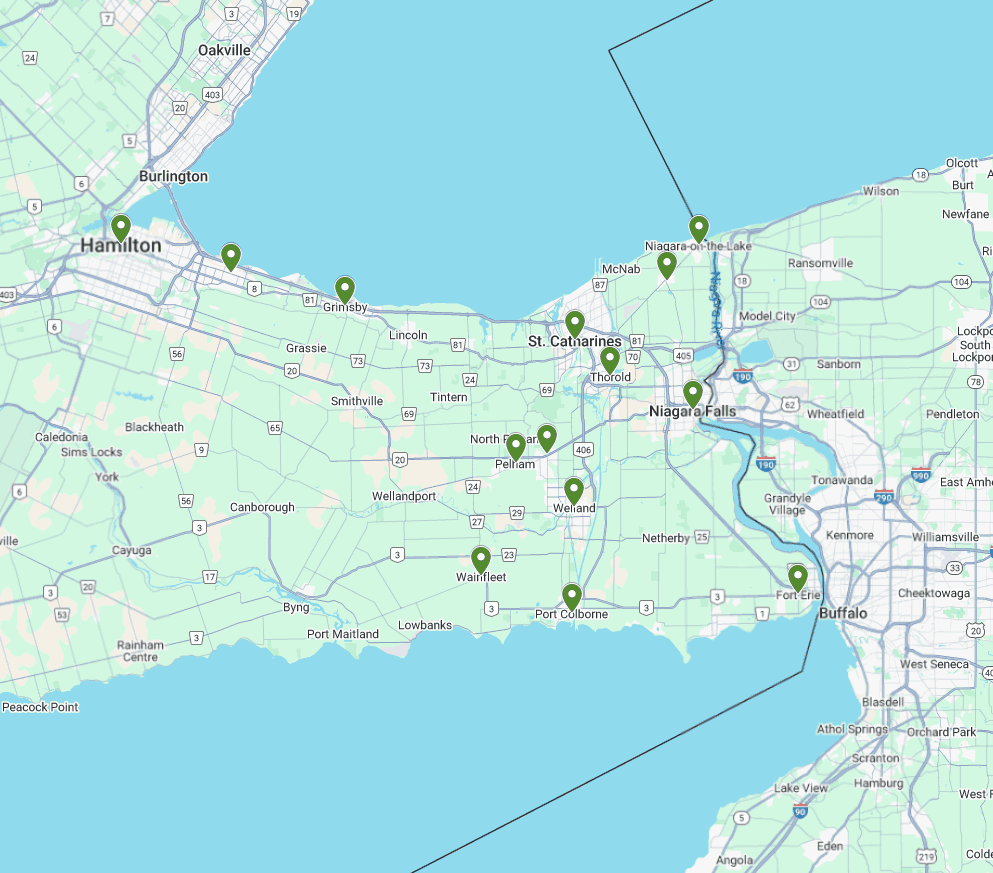
Our service areas encompass a wide range of locations, ensuring that we can meet the needs of our clients wherever they are. From bustling urban centers to serene rural landscapes, we are committed to providing top-notch services tailored to each unique environment.