



This service page describes expert tankless water heater repair in Hamilton, ON, addressing common symptoms like no hot water, temperature fluctuations, error codes, leaks, and reduced flow. It details on-site diagnostic steps, from symptom verification to flow, gas, and electrical testing, followed by targeted repairs and testing. The guide lists typical parts and labor, expected repair times, and warranty options, plus practical maintenance tips for Hamilton’s hard water and cold winters to prevent future outages.
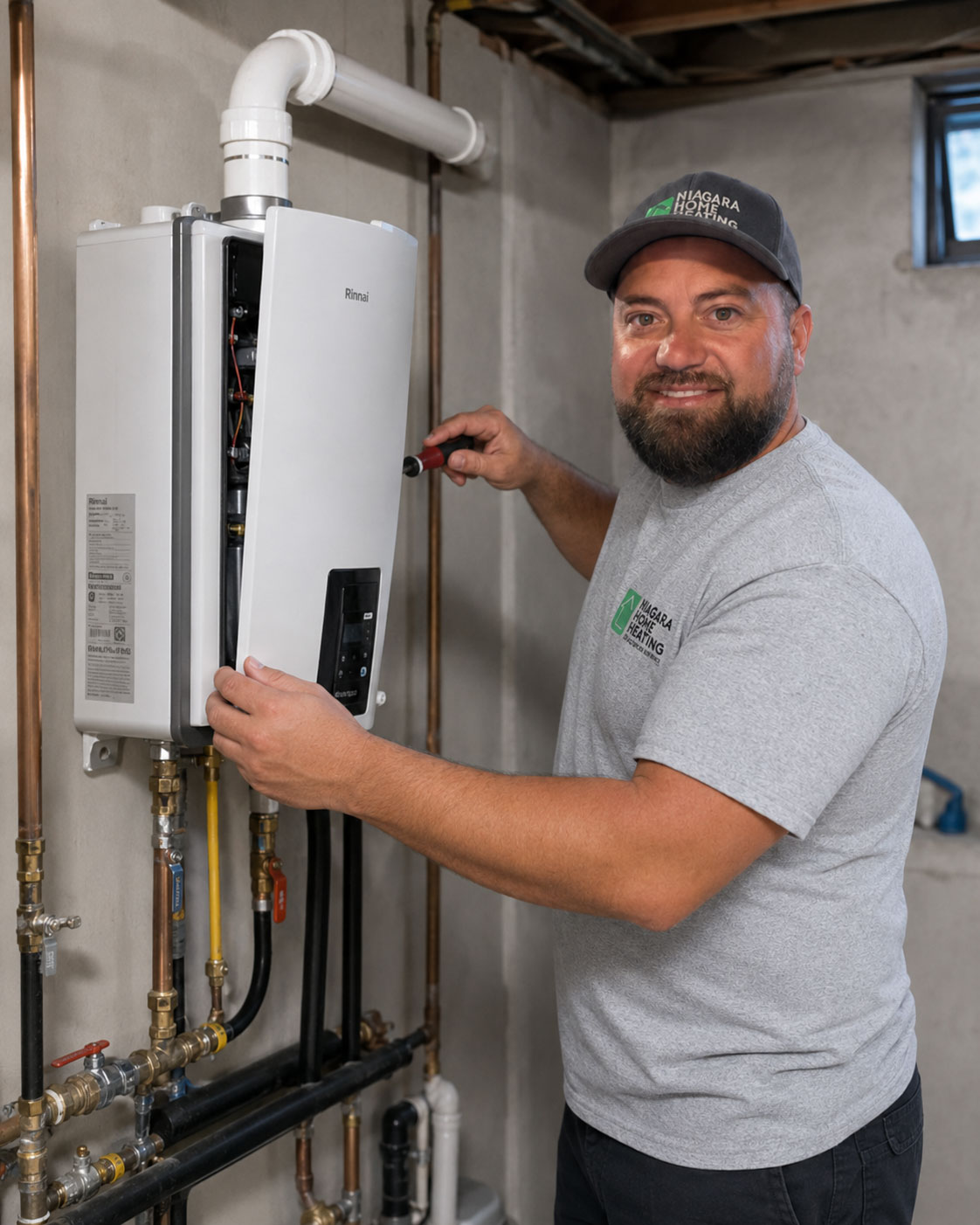
Tankless Water Heater Repair in Hamilton, ON
Tankless water heaters offer on-demand hot water and better energy efficiency for Hamilton homes, but when they fail the disruption is immediate and uncomfortable. Whether you have sudden loss of hot water, temperature swings during showers, persistent error codes, or visible leaks, prompt, expert tankless water heater repair in Hamilton, ON reduces downtime, protects your equipment, and prevents more costly damage down the road. Below you’ll find clear explanations of common symptoms, how technicians diagnose problems on site, what repairs typically involve, and practical maintenance and prevention advice tailored to Hamilton’s climate and water conditions.
Common tankless water heater problems and symptoms in Hamilton
- No hot water at all
- Causes: ignition or gas supply failure, blocked venting, failed control board, or faulty flow sensor. Cold winter weather can aggravate ignition issues for outdoor units.
- Intermittent or fluctuating temperature
- Causes: mineral scaling on the heat exchanger or flow sensor, inconsistent gas pressure, clogged inlet filter, or failing temperature sensor.
- Error codes or lockouts displayed on the unit
- What it means: error codes point to specific subsystems (ignition, flame, overheat, venting, pressure). Codes should be logged or photographed for faster diagnosis.
- Leaks or moisture around the unit
- Causes: loose plumbing connections, failed pressure relief valve, condensate trap failure, or cracks in the heat exchanger.
- Reduced flow or poor hot-water recovery
- Causes: clogged inline filters, low water pressure, or heavy mineral buildup that restricts flow.
- Strange noises or frequent cycling
- Causes: scale buildup, pump issues on recirculation systems, or failing internal components.
In Hamilton, hard water and seasonal cold pose common challenges: mineral scale forms faster on heat exchangers, and outdoor tanks can suffer freeze-related damage if not winterized or protected.
Diagnostic and on-site repair process
Initial assessment and symptom verification
- Technician confirms the symptom (no hot water, error code) and gathers model/gas/electric details.
Visual and safety inspection
- Check for leaks, corrosion, proper venting and combustion air, gas connections, and electrical condition.
Read error codes and log unit behavior
- Capture codes and run the unit to reproduce the fault where safe to do so.
Flow, gas, and electrical testing
- Measure flow rate, verify gas pressure, inspect ignition sequence, and test sensors and thermistors.
Internal inspection and targeted disassembly
- Open access panels to inspect heat exchanger, burners, filters, and PCB connections.
Diagnosis and repair plan explained (no pricing or commitment here)
- Technician outlines required parts, labor steps, and a realistic time estimate for repair.
On-site repair, testing, and quality check
- After repair, the unit is run through full cycles, error history cleared, and system performance validated.
Technicians follow safety checks for combustion and venting and will note any code or installation issues common in older Hamilton homes that could affect long-term reliability.
Typical parts and labor involved
Common replacement parts and service tasks encountered during tankless water heater repair:
- Ignition module / igniter assembly — replacement resolves ignition failures and flame loss.
- Flow sensor or water flow switch — needed when unit fails to detect sufficient flow or shuts down intermittently.
- Heat exchanger cleaning or replacement — descaling improves performance; replacement only if cracked or severely corroded.
- Gas valve or regulator — required when gas supply or modulation is inconsistent.
- Control board / PCB — addresses persistent error codes and communication faults.
- Thermistors / temperature sensors — replaced when temperature reading is inaccurate or fluctuating.
- Condensate trap and drain components — common on high-efficiency condensing units, especially in cold weather.
- Inlet filters and pressure relief valves — routine items replaced during service to prevent future issues.
Labor includes diagnostic time, safe isolation of gas/electric, component removal and installation, system calibration, and full functional testing. Some repairs are completed in a single visit; others that require special-ordered parts may take additional appointments.
Estimated repair times
- Quick fixes and resets (error code clearing, filter cleaning, minor electrical fixes): 30–90 minutes
- Component swaps (flow sensor, igniter, gas valve, thermistor): 1–3 hours
- Heat exchanger cleaning (descaling) or moderate internal work: 1–4 hours
- Major repairs (heat exchanger replacement, control board and extensive plumbing changes): multiple hours to a full day, depending on accessibility and parts availability
Actual times vary with unit make/model, installation accessibility, and whether parts are available locally.
Warranty and maintenance options
- Manufacturer warranty: Many tankless units carry limited warranties on parts and the heat exchanger; warranty coverage depends on model, age, and proper installation and maintenance history.
- Service and labor warranties: Professional service providers often offer limited warranties on their repairs or replacement parts; confirm coverage length and exclusions before work proceeds.
- Recommended maintenance plans: Annual or semiannual maintenance—especially descaling in Hamilton’s hard water—preserves efficiency and extends heat exchanger life. Maintenance typically includes flushing/descaling, cleaning inlet filters, inspecting venting and gas lines, and verifying ignition and safety systems.
- Water treatment: Installing a water softener or point-of-use filter dramatically reduces scaling and can be the most cost-effective way to extend a tankless unit’s service life in Hamilton.
Emergency service availability
Emergency repairs are essential when you lose hot water during cold weather or detect gas odor or active leaks. Emergency response protocols prioritize safety: immediate shutdown if a gas leak is suspected, temporary measures to prevent freezing damage, and prioritized diagnostics on units that pose a health or safety risk. Emergency availability varies by provider and time of year; winter demand in Hamilton typically increases response needs.
Preventing future issues — practical tips for Hamilton homeowners
- Schedule annual descaling and system inspection, more often if you have very hard water.
- Install a softener or dedicated pre-filter for the hot-water feed to reduce mineral buildup.
- Keep outdoor units protected from freezing with insulation or manufacturer-approved freeze kits.
- Clean inlet filters and vents regularly; clear snow or debris from outdoor vents.
- Note and record error codes when they occur—photos help technicians diagnose faster.
- Avoid DIY repairs on gas or electrical components; unsafe work voids warranties and risks safety.
Timely maintenance and addressing minor symptoms early are the best ways to avoid expensive heat exchanger replacements and prolonged hot-water outages. For Hamilton homes, factoring in hard water management and freeze protection into routine care will preserve efficiency and reliability year-round.

Customer Testimonials

Very efficient company. I needed an old solar water heater removed from my roof. They were quick to book an appointment for the next day after I sent photos. They were very knowledgeable of the issue. The 2 guys that came were friendly and competent with the job, including removal of all parts.

We had an amazing experience getting our new furnace installed with Niagara Home Heating. The owner was very helpful, their quote was more then competitive and the technician who installed the unit was professional and friendly. I would recommend their services.
I had an issue with my hot water tank and called Niagara Home Heating. Their service was fantastic and reasonably priced—exactly how a business should be run!
I have used Niagara Home heating for multiple projects for over 16 years. John and his staff are absolutely the best. I tell all my friends and family about Niagara Home Heating because you won’t get any better service or pricing anywhere in Niagara. He has saved me thousands and thousands of dollars and has never let me down.
I called John today at 2:pm as my AC was not working and I wasn’t expecting even a call back as I knew with this hot weather we have had he would be swamped with calls. Well he called me back and showed at 8:pm on the same day to fix my AC. That is just incredible service and how much John really cares about his clients. Thank you John !
Lifesavers!! The AC in our house decided to quit the day we were passing the keys to the new owners!! Instead of making a service call to the house, John coached me through the minor repair over the phone, saving me the money and time waiting for a repair person to come.Much appreciated! Thanks again John

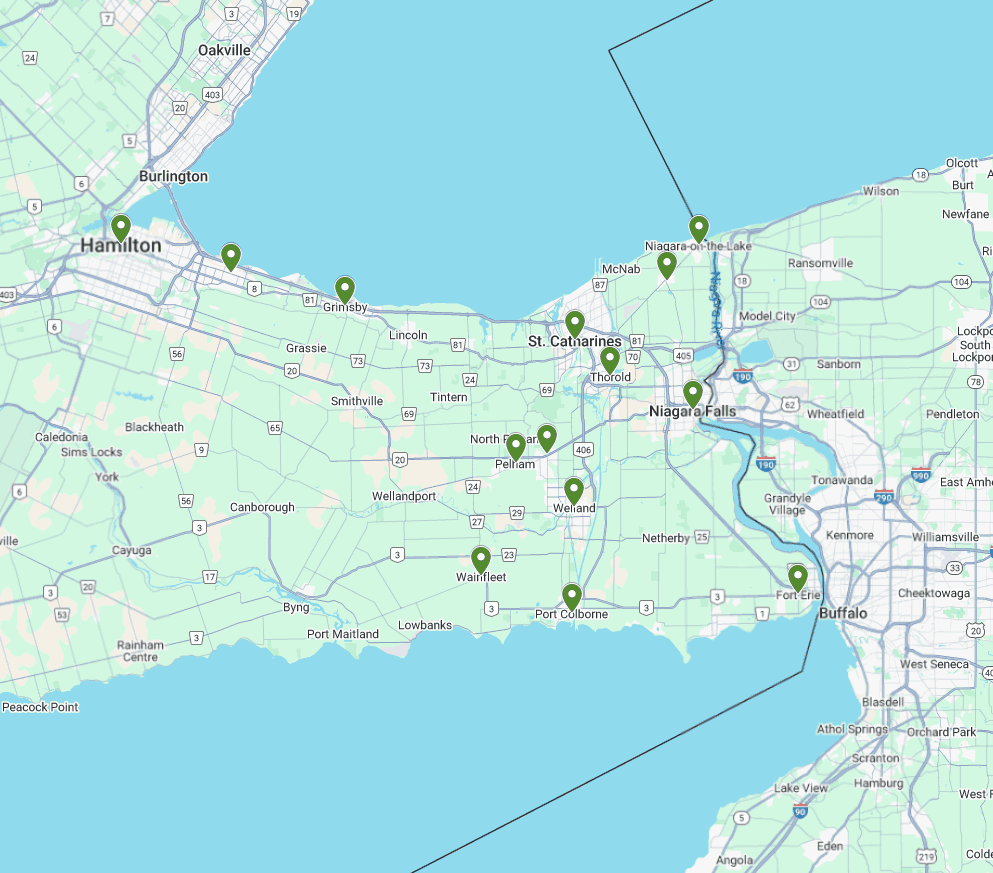
Service Areas
Our service areas encompass a wide range of locations, ensuring that we can meet the needs of our clients wherever they are. From bustling urban centers to serene rural landscapes, we are committed to providing top-notch services tailored to each unique environment.