



This service page provides a comprehensive overview of professional tankless water heater installation in St Catharines, ON. It details the full process from initial in-home consultation and load/flow calculations to site preparation, code-compliant installation, commissioning, and maintenance recommendations. It covers temporary hot water solutions and rental options during swaps, common local issues, and best practices for venting, gas and electrical work, testing, and warranty registration. The guide emphasizes accurate sizing, safety compliance, and long-term reliability for Niagara-region homes.
Tankless Water Heater Installation in St Catharines, ON
Upgrading to a tankless water heater is a common decision for homeowners in St Catharines who want continuous hot water, lower energy bills, and more usable space. the full professional installation process you can expect locally — from the initial consultation and load/flow calculations through site preparation, code-compliant installation, commissioning, and maintenance recommendations. It also covers temporary hot water solutions and rental options during the swap-over, addressing common tankless water heater issues in St Catharines so you can make a confident, informed choice.
Why tankless makes sense in St Catharines
- St Catharines winters bring cold groundwater temperatures that increase the required temperature rise. That makes proper sizing and professional load calculations essential for reliable performance.
- Many homes in the Niagara region are older and may need gas line upsizing, updated venting routes, or electrical panel space to accommodate modern tankless units.
- Tankless units save space and can reduce energy costs by heating water on demand rather than keeping a large tank hot year-round — a noticeable benefit for homes with variable occupancy or renovation projects.
What the initial consultation includes
The professional installation process begins with an in-home consultation focused on your household’s real needs:
- Review of hot water usage habits and simultaneous demand (showers, dishwasher, washing machine).
- Load/flow calculations to determine required GPM (gallons per minute) and temperature rise based on your incoming water temperature in St Catharines.
- Assessment of existing utilities: gas meter capacity, gas line sizing, electrical panel availability, water pressure, and drain/vent locations.
- Recommendation of system types (condensing vs non-condensing, natural gas vs propane vs electric) and unit sizes measured in BTU input and max GPM.
Choosing the right unit for your home
Selecting the correct tankless unit is about matching capacity to demand and local conditions:
- Calculate temperature rise: For example, with cold groundwater in winter (often several degrees Celsius lower than southern Ontario), you’ll need a higher BTU input or a unit with greater flow capacity to maintain desired tap temperatures.
- Condensing models are more efficient and better for tight homes but typically require PVC venting and proper condensate drainage.
- Electric tankless units are an option for homes without natural gas but often require significant electrical upgrades.
- Consider units with built-in water filtration screens or recommend pairing with a whole-house water softener if your area’s water hardness could accelerate scale buildup.
Site preparation: venting, gas, electrical, and plumbing
Professional site prep ensures safe, durable installation and code compliance:
- Venting: Determine route (direct-vent, power-vent, or Category III stainless flue) and termination points keeping clearances from windows and soffits per local code.
- Gas: Verify gas meter capacity and run or upsizing gas piping so the unit gets stable pressure and volume.
- Electrical: Provide the required 120/240V connection, dedicated circuit, and surge protection for control electronics where required by the Ontario Electrical Code.
- Plumbing: Install shutoff valves, sediment filters, pressure relief valve, and a proper condensate drain for condensing units.
- Permits and inspections: Coordinate with local regulations (Ontario Building Code and TSSA for gas permitting) to ensure full compliance.
Step-by-step professional installation
A typical professional installation follows these steps:
Safety checks, code compliance, and commissioning
Safety and compliance are non-negotiable:
- Combustion and CO testing to confirm safe operation.
- Gas leak detection and tightness tests.
- Confirm venting clearances, combustion air provisions, and backflow/pressure relief installations.
- Document start-up readings: inlet/outlet temperatures, gas manifold pressure, flow rates, and CO measurements.
- Complete warranty registration and hand over manufacturer documentation and recommended maintenance schedule.
Performance testing and verification
Professional commissioning includes:
- Simulating typical simultaneous demands (shower + dishwasher, etc.) to measure temperature rise and consistency.
- Measuring flow rates at fixtures and ensuring the unit sustains target temperatures without hunting.
- Fine-tuning controls and safety limits for long-term reliability in St Catharines’ seasonal extremes.
Temporary hot water and rental options
If your installation requires extended work or system changes, there are practical temporary solutions:
- Temporary electric hot water tanks or portable heaters can be rented and set up to supply hot water during the swap.
- Short-term rentals of tankless units are also an option for renovations or phased installs.
- These options maintain household comfort while plumbing, venting, or gas upgrades are completed.
Common tankless water heater issues in St Catharines and solutions
- Reduced flow or temperature during cold months: typically corrected by upsizing unit capacity or installing a unit with higher GPM capability for larger temperature rises.
- Scale buildup in hard-water areas: preventable with annual descaling, inlet strainers, and whole-house softening systems.
- Insufficient gas supply: resolved with gas line upsizing or meter upgrades and verified by gas pressure testing.
- Venting restrictions in older homes: addressed by careful vent routing or choosing a power-vent model where allowed.
Maintenance and long-term care
To protect performance and warranties:
- Schedule an annual service that includes descaling/flush, checking filters and burners, and verifying vent integrity.
- Install a sediment filter and consider a water softener if scale is a concern.
- Keep records of service and manufacturer registrations for warranty claims.
ConclusionA properly designed and installed tankless water heater delivers continuous hot water, improved energy efficiency, and space savings — but success depends on accurate load/flow calculations, appropriate unit selection for St Catharines’ cold-water conditions, professional site preparation, and strict adherence to safety codes. With the right approach and regular maintenance, tankless systems provide reliable performance and long-term value for local homes.

Customer Testimonials

Very efficient company. I needed an old solar water heater removed from my roof. They were quick to book an appointment for the next day after I sent photos. They were very knowledgeable of the issue. The 2 guys that came were friendly and competent with the job, including removal of all parts.

We had an amazing experience getting our new furnace installed with Niagara Home Heating. The owner was very helpful, their quote was more then competitive and the technician who installed the unit was professional and friendly. I would recommend their services.
I have used Niagara Home heating for multiple projects for over 16 years. John and his staff are absolutely the best. I tell all my friends and family about Niagara Home Heating because you won’t get any better service or pricing anywhere in Niagara. He has saved me thousands and thousands of dollars and has never let me down.
I called John today at 2:pm as my AC was not working and I wasn’t expecting even a call back as I knew with this hot weather we have had he would be swamped with calls. Well he called me back and showed at 8:pm on the same day to fix my AC. That is just incredible service and how much John really cares about his clients. Thank you John !
Lifesavers!! The AC in our house decided to quit the day we were passing the keys to the new owners!! Instead of making a service call to the house, John coached me through the minor repair over the phone, saving me the money and time waiting for a repair person to come.Much appreciated! Thanks again John
I had an issue with my hot water tank and called Niagara Home Heating. Their service was fantastic and reasonably priced—exactly how a business should be run!

Service Areas
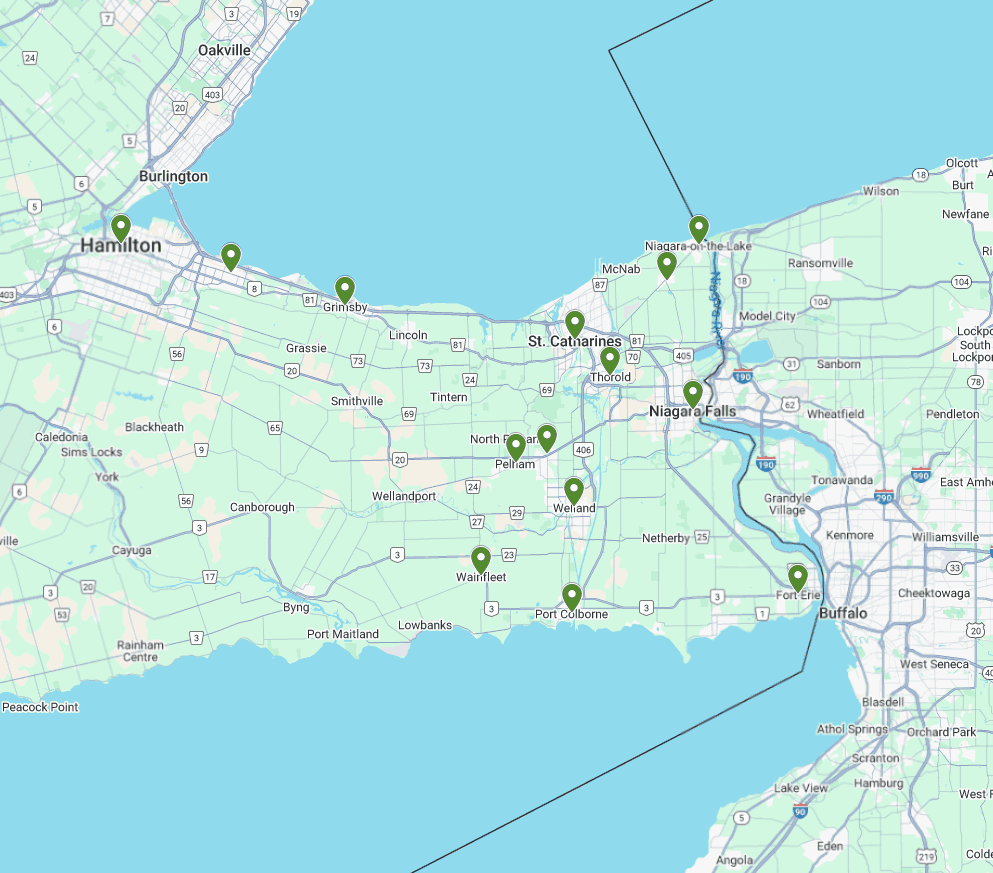
Our service areas encompass a wide range of locations, ensuring that we can meet the needs of our clients wherever they are. From bustling urban centers to serene rural landscapes, we are committed to providing top-notch services tailored to each unique environment.