



It describes professional tankless water heater repair in St Catharines, ON, emphasizing on-site diagnostics, safety, and rapid restoration of hot water. It covers common issues such as ignition failures, temperature fluctuations, leaks, error codes, and venting problems, and details the systematic diagnostic steps technicians take to identify root causes before replacement. It also describes typical repairs, pricing transparency, warranty options, emergency temporary solutions, and preventive maintenance tailored to local water and climate conditions today.
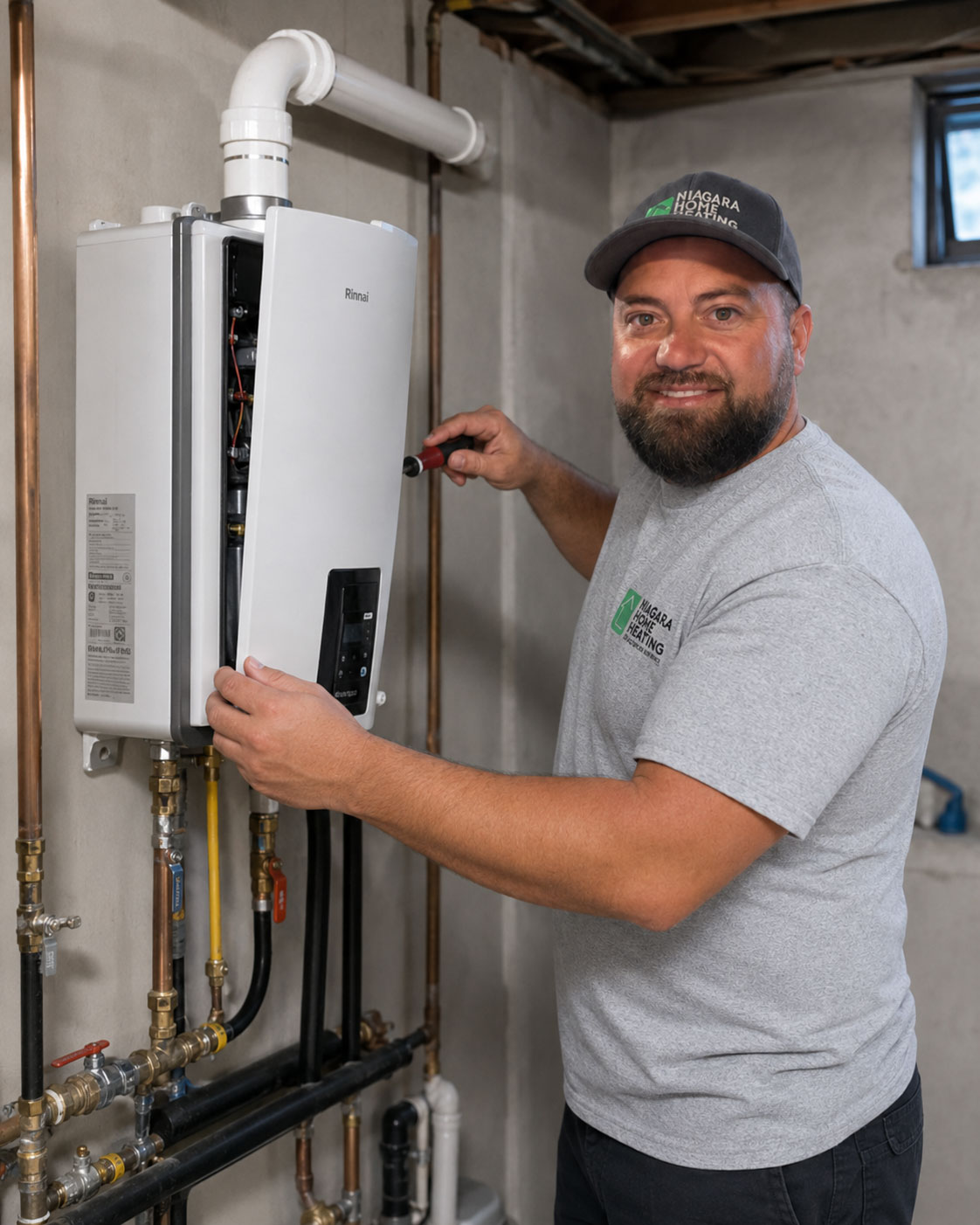
Tankless Water Heater Repair in St Catharines, ON
A properly functioning tankless water heater delivers on-demand hot water, energy savings, and space efficiency — all valuable in St Catharines homes facing cold winters and high seasonal hot water demand. When a tankless unit fails, it can mean interrupted showers, freezing pipes risk, and unexpected energy costs. how professional tankless water heater repair in St Catharines, ON diagnoses common problems, restores service on-site, and helps prevent repeat breakdowns while complying with local safety requirements.
Common tankless water heater issues in St Catharines, ON
- No hot water: Often caused by ignition failure, lack of gas supply, tripped safety limit, or blocked venting. In winter, frozen condensate or low incoming water temperature can also contribute.
- Temperature fluctuations or low flow: Mineral scale buildup on the heat exchanger or a failing flow sensor can reduce heat transfer and cause inconsistent temperatures at showers and faucets.
- Ignition or gas valve failures: Worn ignition electrodes, faulty gas valves, or electrical control failures prevent burners from firing.
- Leaks and corrosion: Loose fittings, failed pressure relief valves, or corroded heat exchangers can cause leakage; older units and hard water areas are more susceptible.
- Error codes and lockouts: Modern units display fault codes that point to specific issues (combustion, flow, sensor faults), but codes require professional interpretation and testing.
- Freeze and venting damage: Outdoor or poorly located units may suffer freeze damage in Niagara winters; damaged venting affects combustion and safety.
- Scale buildup: The Niagara region’s moderate to hard water contributes to mineral accumulation, reducing efficiency and shortening component life.
On-site diagnostics and troubleshooting process
Technicians follow a systematic diagnostic approach to identify the root cause before replacing parts:
Diagnostics prioritize safety: combustion checks, CO monitoring, and leak detection are standard in St Catharines service visits. Technicians document findings and explain options before any repair.
Typical repairs and component replacement
Common on-site repairs include:
- Replacing ignition electrodes or flame sensors
- Swapping faulty gas valves or solenoids
- Repairing or replacing flow sensors and pressure switches
- Cleaning or replacing heat exchanger components when accessible
- Replacing control boards, thermostats, or relay modules
- Repairing or replacing damaged venting, condensate traps, or seals
- Addressing leaks by replacing fittings, valves, or pressure relief assemblies
When the heat exchanger is severely corroded or scaled, replacement of the unit may be more cost-effective than repair. Technicians will compare repair costs and expected remaining lifespan to guide the decision.
Estimated repair timelines and transparent pricing
- Minor repairs (sensors, ignition parts, electrical resets): typically completed within 1 to 3 hours.
- Moderate repairs (gas valve replacement, heat exchanger partial repair): often same day but can take 3 to 6 hours depending on access.
- Major repairs or special-order parts (full heat exchanger replacement or rare control boards): may require 1 to 3 business days for parts plus installation time.Pricing depends on unit model and age, parts required, labor time, and any necessary permits or gas line work. Good practice is an itemized estimate describing labor, parts, and any additional fees so homeowners understand costs up front.
Parts and labor warranty information
- Manufacturer parts warranties vary by brand and component. Technicians will identify whether parts are covered under the original manufacturer warranty and handle registration where applicable.
- Labor warranty periods typically range from short-term to several months depending on the service provider and type of repair. Warranty documentation should be provided after work is completed, outlining what is covered and the warranty duration.
- For larger replacements, transferable warranties and extended service agreements may be available; retaining proof of regular maintenance helps preserve warranty eligibility.
Emergency response and temporary hot water solutions
In urgent situations such as complete loss of hot water in winter, technicians can:
- Diagnose and perform temporary repairs to restore limited hot water flow for essential use.
- Install a temporary electric hot water tank or recommend short-term rental solutions when immediate full repair or replacement is not possible.
- Implement bypasses or recirculation adjustments to deliver hot water to critical fixtures while awaiting parts.Emergency response plans prioritize safety, especially with gas-fired units, and include immediate checks for gas leaks and carbon monoxide risk.
Preventive maintenance to reduce future breakdowns
Regular maintenance is the most effective way to extend the life of a tankless heater in the St Catharines climate:
- Annual descaling (or more often with hard water) to remove mineral buildup from the heat exchanger.
- Cleaning inlet screens and filters to maintain proper flow rates.
- Inspecting venting, condensate drains, and seals for damage or blockage.
- Testing ignition systems, sensors, and safety devices annually.
- Installing a water softener or scale inhibitor if mineral content is high.
- Winterizing outdoor units and ensuring adequate clearance for ventilation.
Routine maintenance not only improves reliability but preserves efficiency and reduces energy bills.
Technician qualifications and safety standards in Niagara region
Repairs should be performed by technicians with:
- Certified training in gas appliance service and manufacturer-specific training on tankless models.
- Licensing and adherence to Ontario safety standards, including relevant TSSA guidelines for gas-fired appliances.
- Experience with local installation practices, venting requirements, and permit processes in St Catharines and the Niagara Region.
- Use of calibrated diagnostic equipment, combustion analyzers, and CO detectors to ensure safe operation.
Technicians also follow professional practices to protect your home, including floor protection, professional cleanup, and clear documentation of work performed.
ConclusionTimely, professional tankless water heater repair in St Catharines, ON resolves common problems like no hot water, temperature swings, ignition failures, and leaks while protecting safety and efficiency. With targeted diagnostics, transparent estimates, appropriate warranties, and recommended maintenance tailored to the local climate and water conditions, homeowners can maximize performance and service life of their tankless systems. Prioritizing certified technicians and regular service will reduce emergency breakdowns and keep your hot water running reliably through Niagara winters and beyond.

Customer Testimonials

Very efficient company. I needed an old solar water heater removed from my roof. They were quick to book an appointment for the next day after I sent photos. They were very knowledgeable of the issue. The 2 guys that came were friendly and competent with the job, including removal of all parts.

I had an issue with my hot water tank and called Niagara Home Heating. Their service was fantastic and reasonably priced—exactly how a business should be run!
We had an amazing experience getting our new furnace installed with Niagara Home Heating. The owner was very helpful, their quote was more then competitive and the technician who installed the unit was professional and friendly. I would recommend their services.
I have used Niagara Home heating for multiple projects for over 16 years. John and his staff are absolutely the best. I tell all my friends and family about Niagara Home Heating because you won’t get any better service or pricing anywhere in Niagara. He has saved me thousands and thousands of dollars and has never let me down.
Lifesavers!! The AC in our house decided to quit the day we were passing the keys to the new owners!! Instead of making a service call to the house, John coached me through the minor repair over the phone, saving me the money and time waiting for a repair person to come.Much appreciated! Thanks again John
I called John today at 2:pm as my AC was not working and I wasn’t expecting even a call back as I knew with this hot weather we have had he would be swamped with calls. Well he called me back and showed at 8:pm on the same day to fix my AC. That is just incredible service and how much John really cares about his clients. Thank you John !

Service Areas
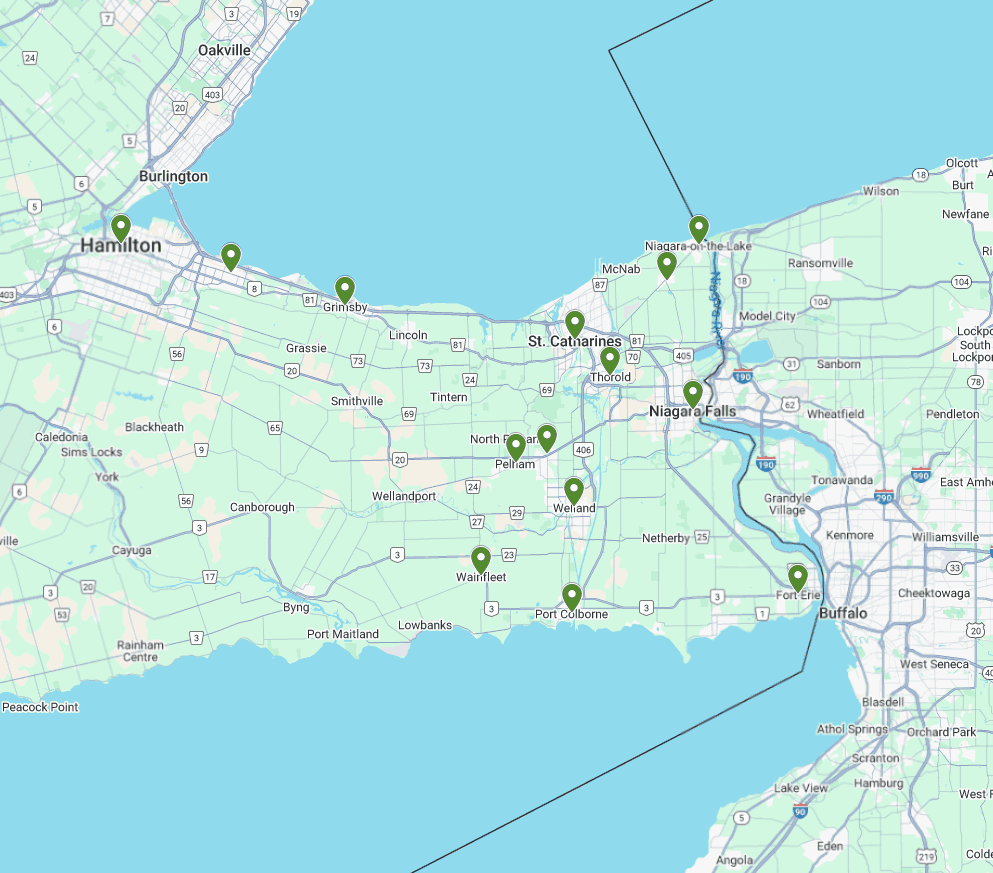
Our service areas encompass a wide range of locations, ensuring that we can meet the needs of our clients wherever they are. From bustling urban centers to serene rural landscapes, we are committed to providing top-notch services tailored to each unique environment.