



Water heater installation in St Catharines, ON covers site evaluation, unit selection, sizing, permit requirements, and professional installation for tank and tankless systems. It describes how local hard water, cold winters, and regulatory rules shape equipment choice, venting, and maintenance. The guide describes the installation workflow, testing and commissioning, rental options, and post-install maintenance strategies to maximize efficiency and lifespan. It also highlights warranty considerations and the importance of compliant, code-approved work by licensed technicians.
Water Heater Installation in St Catharines, ON
Choosing and installing the right water heater is one of the most impactful home upgrades you can make in St Catharines. Cold winters, variable incoming water temperatures from Lake Ontario influence, and the region’s common hard-water conditions all affect system selection, sizing, and longevity. It outlines the complete installation workflow—site evaluation, unit selection and sizing, permit requirements, professional installation steps for tank and tankless systems, testing and commissioning, rental options, maintenance best practices, warranty considerations, and what to expect when arranging an installation or estimate locally.
Why a proper installation matters in St Catharines homes
- Energy efficiency and bills: Correct sizing and proper venting prevent wasted energy and keep operating costs down in a climate with long heating seasons.
- Reliability in cold weather: Sufficient capacity and appropriate heating power compensate for colder incoming water temperatures in winter.
- Longevity with hard water: Local water hardness increases scaling risk—proper equipment selection and pre-treatment extend equipment life.
- Safety and compliance: Ontario regulations and TSSA rules for gas-fired appliances protect your home and must be followed.
Common water heater types and local concerns
- Conventional tank water heaters (gas or electric)
- Best for predictable, high-volume use
- Susceptible to sediment buildup in areas with mineral-rich water
- High-efficiency condensing and power-vent tanks
- Require proper condensate routing and venting
- Tankless (on-demand) water heaters
- Excellent for continuous hot water and space savings
- Sensitive to scale buildup; may need water-softening in St Catharines
- Require adequate gas supply and electrical connections for ignition and controls
- Rental water heaters (tank and tankless)
- Short-term flexibility for rentals, temporary replacements, or while resolving permit/installation timing
Site evaluation: what a professional will inspect
A thorough on-site assessment determines the right solution and uncovers hidden constraints:
- Incoming cold-water temperature and pipe layout
- Available venting routes and clearance to combustibles
- Gas line size and meter capacity for gas-fired systems
- Electrical service and dedicated circuits for electric or tankless units
- Existing venting or chimney condition for replacement units
- Space, access, and location-specific risks (freezing, flood-prone basements, garage installation)
- Water quality and hardness to evaluate need for softening or scale-control devices
Proper unit selection and sizing
- For tank systems: sizing is generally based on household occupancy and peak hour demand. Consider tank volume and recovery rate (how fast the unit reheats water).
- For tankless systems: sizing is rated in kW (electric) or BTU/hr (gas) and must match the expected flow rate at the desired temperature rise. Cold St Catharines winters increase the required temperature rise, so higher capacity models or multiple units may be necessary.
- Energy factor and efficiency: selecting ENERGY STAR or high-efficiency condensing models reduces operating costs, especially important in long heating seasons.
- Water quality solutions: in areas with hard water, include a water softener, scale inhibitor, or descaling plan to preserve tankless heat exchangers and increase tank life.
Code and permit requirements for St Catharines, ON
- Ontario Building Code and municipal plumbing/electrical permit requirements apply. Gas-fired appliance installations require compliance with Technical Standards and Safety Authority (TSSA) regulations and must be performed by licensed technicians where applicable.
- Typical requirements include permits for plumbing, gas, and sometimes electrical changes. Venting, combustion air, and flue connections must meet code clearances and inspection criteria.
- Permit timelines vary; a professional installer will prepare required documentation and arrange inspections with the City of St. Catharines.
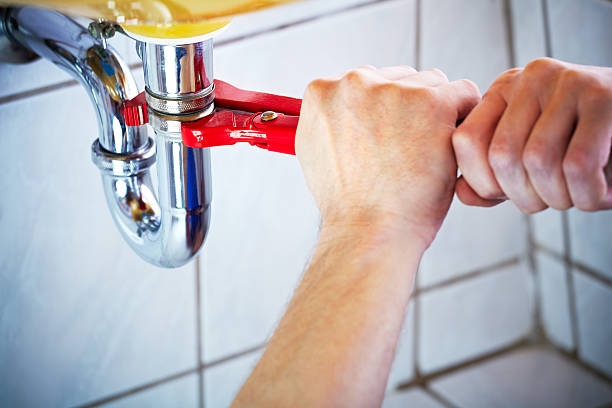
Professional installation workflow — tank systems
Professional installation workflow — tankless systems
System testing and commissioning
- Leak checks on all water and gas connections.
- Combustion analysis and CO testing for gas appliances.
- Temperature validation under typical load conditions.
- Flow-rate and recovery testing for tanks; temperature rise verification for tankless units.
- User orientation: safe operation, control settings, and maintenance expectations.
Rental options and when they make sense
- Rentals provide immediate hot water while waiting for permits, during renovations, or for short-term occupancy.
- Rental agreements commonly include routine maintenance and emergency replacement coverage.
- For homeowners in St Catharines, rental solutions can be a practical interim option during cold months to avoid service interruptions.
Post-installation maintenance tips and service agreements
- Tank systems: flush annually to remove sediment, inspect and replace the sacrificial anode as needed, test the temperature-pressure relief valve, and check venting.
- Tankless systems: descale or flush every 6–24 months depending on water hardness, clean inlet filters, and inspect gas and venting systems.
- For hard-water areas, consider ongoing water treatment to reduce scale-related service calls.
- Service agreements typically include scheduled maintenance, priority service, and parts/labor benefits that extend equipment life and preserve warranties.
Warranty coverage and documentation
- Manufacturer warranties cover the heat exchanger and other major components; terms vary by model and manufacturer.
- Installer or workmanship warranties cover installation-related issues for a separate term—keep installation records and permit documentation to support claims.
- Register warranties promptly with the manufacturer and retain receipts, install reports, and any maintenance logs.
What to expect when arranging an installation or estimate in St Catharines
- Typical process: a licensed technician performs an on-site evaluation, measures demand and site constraints, prepares a detailed proposal, and outlines permit needs and timing.
- Permit approvals and parts availability can influence scheduling; winter months often increase lead times for installations.
- Clear documentation will list system specifications, expected energy performance, recommended maintenance, and warranty coverage.
A correctly specified and professionally installed water heater brings reliable hot water, improved efficiency, and fewer service interruptions—especially important for St Catharines households facing cold winters and hard water. Proper upfront evaluation, compliance with Ontario and local codes, and a maintenance plan tailored to local water conditions are the most reliable ways to protect your investment and ensure long-term performance.

Customer Testimonials

We had an amazing experience getting our new furnace installed with Niagara Home Heating. The owner was very helpful, their quote was more then competitive and the technician who installed the unit was professional and friendly. I would recommend their services.

I have used Niagara Home heating for multiple projects for over 16 years. John and his staff are absolutely the best. I tell all my friends and family about Niagara Home Heating because you won’t get any better service or pricing anywhere in Niagara. He has saved me thousands and thousands of dollars and has never let me down.
I had an issue with my hot water tank and called Niagara Home Heating. Their service was fantastic and reasonably priced—exactly how a business should be run!
I called John today at 2:pm as my AC was not working and I wasn’t expecting even a call back as I knew with this hot weather we have had he would be swamped with calls. Well he called me back and showed at 8:pm on the same day to fix my AC. That is just incredible service and how much John really cares about his clients. Thank you John !
Very efficient company. I needed an old solar water heater removed from my roof. They were quick to book an appointment for the next day after I sent photos. They were very knowledgeable of the issue. The 2 guys that came were friendly and competent with the job, including removal of all parts.
Lifesavers!! The AC in our house decided to quit the day we were passing the keys to the new owners!! Instead of making a service call to the house, John coached me through the minor repair over the phone, saving me the money and time waiting for a repair person to come.Much appreciated! Thanks again John

Service Areas
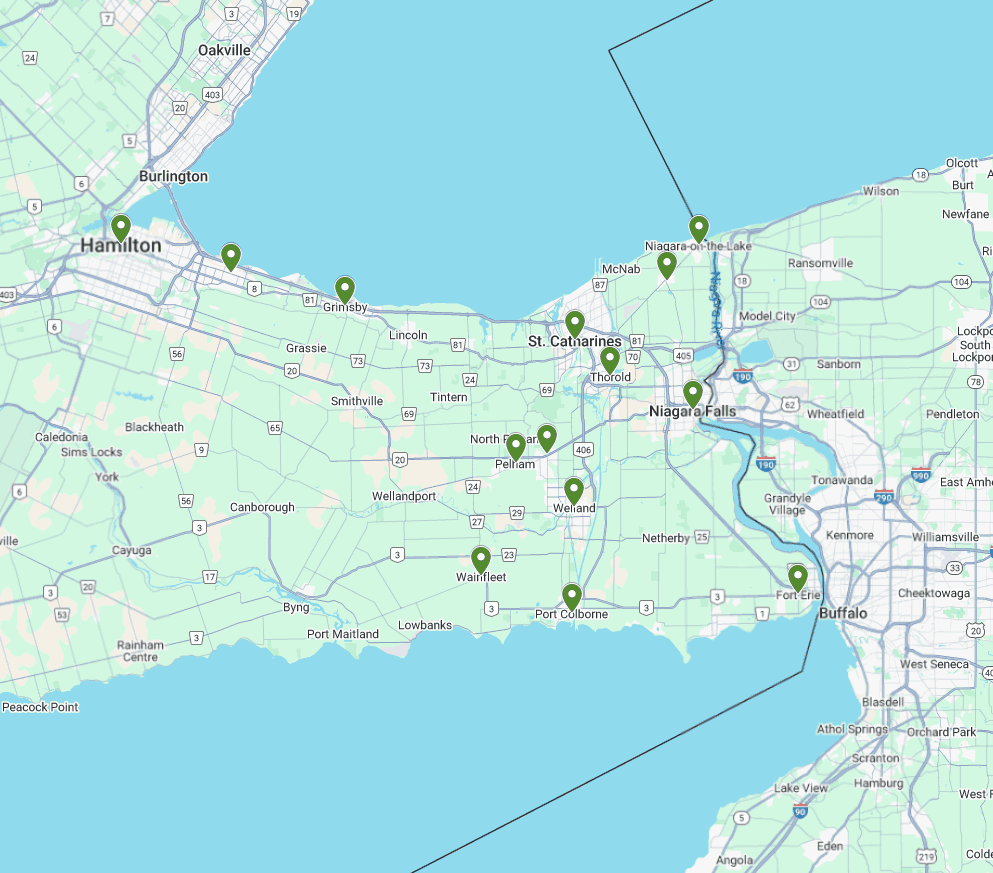
Our service areas encompass a wide range of locations, ensuring that we can meet the needs of our clients wherever they are. From bustling urban centers to serene rural landscapes, we are committed to providing top-notch services tailored to each unique environment.