



Port Colborne emergency AC repair services deliver fast, safety-first response to minimize heat risk and damage in hot, humid conditions. It describes common urgent scenarios, from complete system failure and refrigerant leaks to electrical faults and frozen coils, and explains our rapid dispatch, on-site diagnostics, and temporary containment steps. It compares emergency repairs versus expedited replacement, details technician qualifications and safety protocols, and describes post-service follow-up, warranty considerations, and maintenance recommendations to prevent future emergencies.
.jpeg)
AC emergency-ac-repair in Port Colborne, ON
When an air conditioner fails in the middle of a hot, humid Port Colborne summer, comfort, health, and property can be at immediate risk. AC emergency-ac-repair in Port Colborne, ON focuses on fast, safety-first response to restore cooling, stop damage, and give clear options for repair or replacement. It describes the urgent scenarios we commonly see in the Niagara region, how emergency response and diagnostics work, temporary containment steps, repair versus replacement choices, and the qualifications and safety protocols that protect your home or business.
Common AC emergency scenarios in Port Colborne
Port Colborne homes and businesses often face specific stressors from lake-effect humidity, warm summer peaks, and salt air exposure. Common urgent AC issues include:
- Complete system failure - Unit stops cooling entirely, or outdoor compressor does not run. Often caused by motor failure, capacitor or relay failure, or major electrical fault.
- Refrigerant leaks - Low refrigerant causes poor cooling and can damage the compressor if run long-term. Some older systems use refrigerants that are harder to source.
- Electrical faults - Burnt wiring, failed contactors, tripped breakers, or control board failures that create fire risk or repeated shutdowns.
- Compressor failure - Seized or damaged compressors typically require major repair or replacement and often occur during high-load weather.
- Severe condensation or water leaks - Clogged condensate drains or failed pumps that cause water damage or mold growth inside ceilings or walls.
- Frozen evaporator coils - Restricted airflow due to dirty filters or blower failure can freeze coils; when they thaw, flooding can occur.
- Strange smells or smoke - Burning odors or smoke indicate urgent electrical or component failure and demand immediate shutdown and inspection.
Rapid response and dispatch procedures
Emergency AC response is centered on speed, accuracy, and safety. Typical dispatch procedures include:
- 24/7 intake and triage to determine severity and priority based on symptoms and occupant risk (young, elderly, or commercial operations get higher priority).
- Requesting key information: exact address in Port Colborne, symptoms, unit make and model if known, access instructions, and whether the space has vulnerable occupants.
- Local staging to reduce travel time in the Niagara region, with technicians carrying common emergency parts and diagnostic tools.
- Clear ETA windows and confirmation of on-site procedures so homeowners know what to expect without unnecessary confusion.
Because Port Colborne is part of a dense service area, local technicians are often able to arrive faster than non-local crews, which is critical in high-heat events or active water leaks.
Emergency diagnostic and temporary containment measures
On arrival, technicians follow a safety-first diagnostic workflow:
- Initial safety check: visually inspect for smoke, burning smells, water pooling, and electrical hazards. If there is any fire or severe electrical hazard, the system is isolated and shut down.
- Power and control checks: verify breakers, fuses, contactors, and control board communications.
- Refrigerant and pressure checks: leak detection and pressure testing to evaluate refrigerant charge and identify leaks.
- Airflow and drain inspection: check filters, blower motors, and condensate line/pump operation.
- Temporary containment actions may include shutting off the unit to prevent further damage, isolating a refrigerant leak with a service valve, clearing or temporarily running a condensate pump, securing exposed wiring, or installing a temporary bypass control to restore limited cooling safely.
Homeowner safety steps before tech arrival: switch the AC off at the thermostat and main breaker if you smell burning or see smoke, move people to a cool area, and clear access to the outdoor unit and indoor air handler.
Immediate repairs versus expedited replacement
Deciding between an emergency repair and a fast-tracked replacement is critical when time is limited:
- Emergency repairs are usually pursued when the unit is relatively new, the issue is isolated (capacitor, contactor, fan motor, condensate pump), and the repair cost is reasonable relative to the system value.
- Replacement is considered when the compressor has failed, there is extensive coil or refrigerant system damage, multiple major components are failing, or the unit is old and inefficient. In Port Colborne, corrosion from lake-influenced air can accelerate deterioration, making replacement the more durable choice in some cases.
- Technicians provide a rapid assessment with estimated timelines for either completing an emergency repair the same day or arranging an expedited replacement. Temporary containment measures aim to keep spaces safe and as comfortable as possible while replacement logistics are finalized.
Technician qualifications and safety protocols
Emergency AC work requires qualified technicians and strict safety practices:
- Technicians are certified in refrigerant handling and pressure testing, and trained in electrical safety and HVAC best practices.
- On-site protocols include lockout-tagout for electrical isolation, proper PPE for refrigerant handling and electrical work, safe recovery and containment of refrigerants per regulations, and hygienic handling to protect your home from contamination.
- Disposal and recycling of old equipment follow provincial and federal regulations to ensure environmental compliance.
After the emergency service
After stabilizing the situation, expect a clear written summary of findings, recommended next steps, and any warranty or guarantee on emergency parts and labor. Follow-up work may include scheduling a full diagnostic repair, arranging replacement equipment with a timeline for installation, or recommending seasonal maintenance to prevent recurrence.
Why prompt emergency AC repair matters in Port Colborne
Prompt action prevents secondary damage such as mold from water leaks, electrical fires, or costly compressor burnout. For Port Colborne residents and businesses, quick emergency AC response restores comfort during humid lake-affected periods, protects health for vulnerable occupants, and limits downtime for commercial operations. Regular seasonal maintenance, keeping outdoor units clear of vegetation and corrosion, and addressing small faults early will reduce the need for emergency repairs.
If you are experiencing an urgent cooling failure in Port Colborne, understanding the likely causes, the emergency response process, and the options for repair or replacement will help you make informed decisions quickly and safely.

Customer Testimonials

We had an amazing experience getting our new furnace installed with Niagara Home Heating. The owner was very helpful, their quote was more then competitive and the technician who installed the unit was professional and friendly. I would recommend their services.

I called John today at 2:pm as my AC was not working and I wasn’t expecting even a call back as I knew with this hot weather we have had he would be swamped with calls. Well he called me back and showed at 8:pm on the same day to fix my AC. That is just incredible service and how much John really cares about his clients. Thank you John !
I had an issue with my hot water tank and called Niagara Home Heating. Their service was fantastic and reasonably priced—exactly how a business should be run!
Lifesavers!! The AC in our house decided to quit the day we were passing the keys to the new owners!! Instead of making a service call to the house, John coached me through the minor repair over the phone, saving me the money and time waiting for a repair person to come.Much appreciated! Thanks again John
I have used Niagara Home heating for multiple projects for over 16 years. John and his staff are absolutely the best. I tell all my friends and family about Niagara Home Heating because you won’t get any better service or pricing anywhere in Niagara. He has saved me thousands and thousands of dollars and has never let me down.
Very efficient company. I needed an old solar water heater removed from my roof. They were quick to book an appointment for the next day after I sent photos. They were very knowledgeable of the issue. The 2 guys that came were friendly and competent with the job, including removal of all parts.

Service Areas
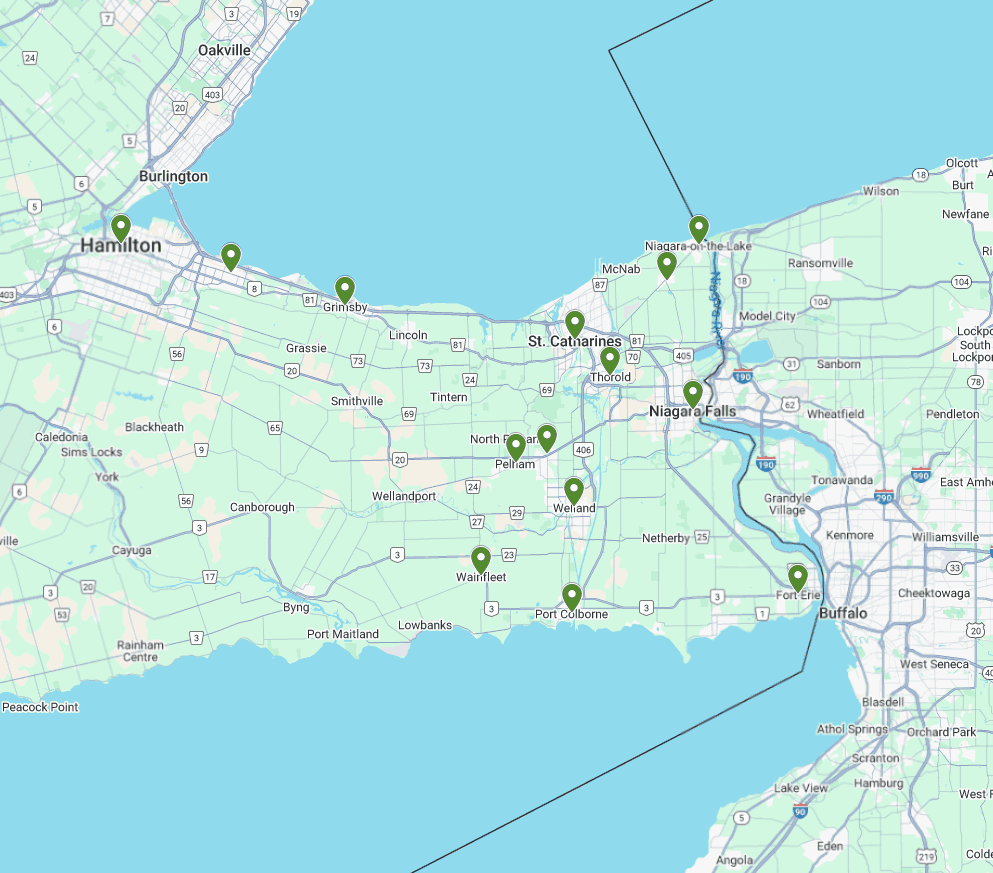
Our service areas encompass a wide range of locations, ensuring that we can meet the needs of our clients wherever they are. From bustling urban centers to serene rural landscapes, we are committed to providing top-notch services tailored to each unique environment.