



Port Colborne homeowners can rely on comprehensive AC repair guidance that covers diagnosis, common faults, and proven remedies. The service page explains how technicians assess systems, locate refrigerant leaks, test electrical components, and verify airflow. It transparent pricing, repair vs. replace analysis, and warranty considerations, with timelines for minor to major repairs. It also offers maintenance tips to prevent future failures and preserve comfort through humid summers and coastal conditions. Practical advice helps homeowners plan budgets and avoid costly emergency repairs.

AC repair in Port Colborne, ON
Keeping your air conditioner running reliably through Port Colborne summers is essential for comfort and energy savings. AC units here face warm, humid air off Lake Erie, higher humidity loads, and coastal-related corrosion that can accelerate component wear. It describes the routine and major AC repair services you can expect, how technicians diagnose faults, common component repairs and replacements, the estimate process and timelines, warranty considerations, and steps to avoid repeat failures — all explained in clear, practical terms for Port Colborne homes.
Why timely AC repair matters in Port Colborne
Port Colborne experiences humid summers that make air conditioners work harder to remove moisture as well as heat. That extra workload:
- Increases compressor and motor stress
- Raises the chance of refrigerant leaks showing symptoms
- Promotes coil corrosion when units are close to waterfront or salty airDelaying repairs can lead to higher energy bills, reduced comfort, and more costly replacements later.
Common AC problems in Port Colborne homes
- Weak or no cooling: often caused by low refrigerant, failing compressor, or blocked airflow
- Short cycling or frequent on/off: usually a thermostat, control board, or shorted capacitor
- Unit not starting: electrical faults, failed contactors, tripped breakers, or bad start capacitors
- Loud or unusual noises: failing blower motors, loose fan blades, or failing compressors
- Ice on evaporator coil: poor airflow from dirty filters or failing blower motor, or low refrigerant
- Leaking water: clogged condensate drain or pan, or improper unit pitch
- Corrosion and degraded fins/coils: accelerated in shoreline properties and older systems
Typical fault diagnosis steps
A reliable diagnosis follows a consistent, documented process to find the root cause rather than treating symptoms:
Common component repairs and replacements
- Compressors: repaired or replaced when seized, shorted, or inefficient; compressor work often requires nitrogen pressure testing and system evacuation before recharge.
- Capacitors and contactors: common and cost-effective repairs; failing capacitors cause starting problems and motor stress.
- Fan and blower motors: replacement or bearing rebuilds for noisy or failing motors that reduce airflow.
- Thermostats and controls: calibration, replacement, or upgrade to programmable/connected thermostats for better performance.
- Refrigerant leaks and service valves: locate and repair leaks, replace damaged lines or valves, then evacuate and recharge system to spec.
- Condenser and evaporator coils: coil cleaning, fin straightening, or coil replacement for severe corrosion or leaks.
- Drain and condensate systems: clear clogs, replace pans, or install drain safety switches to prevent water damage.
Transparent pricing and estimate process
A transparent estimate process helps homeowners make informed decisions:
- Diagnostic fee: many services include a diagnostic visit that documents the issue and recommended fixes. This fee may be applied to the final repair.
- Itemized estimate: repairs are listed with separate line items for parts, labor, and any refrigerant or disposal fees so you can compare options.
- Repair vs replace analysis: when a major component like a compressor fails, an estimate should compare repair cost, expected remaining life, and the cost-benefit of system replacement.
- Written approvals: technicians should provide a clear written estimate with parts model numbers and warranty terms before starting work.
Typical repair timelines
- Minor repairs (capacitor, contactor, thermostat): often completed same day or within 24 hours if parts are stocked.
- Moderate repairs (motor replacements, refrigerant recharge after leak repair): usually completed within 24 to 72 hours, depending on parts availability.
- Major repairs (compressor replacement, coil replacement, extensive corrosion work): may take several days to order parts and schedule refrigeration-certified technicians.Local parts availability in the Niagara region and seasonal demand (peak summer) can affect timelines.
Parts and labor warranties
- Parts warranties: common manufacturer parts warranties range from 1 to 10 years depending on the component and brand. Aftermarket parts often carry shorter warranties.
- Labor warranties: many service providers offer labor warranties that cover workmanship for a set period, commonly 30 to 365 days. Always get written warranty terms before work begins.
- Manufacturer warranties: keep original equipment paperwork; some repairs or modifications can affect factory warranty eligibility.
Recommendations to avoid repeat failures
- Seasonal tune-ups: schedule at least an annual AC maintenance visit before summer to clean coils, check refrigerant, verify electrical components, and calibrate controls.
- Regular filter changes: replace or clean filters every 1 to 3 months depending on use and indoor air quality to maintain airflow and protect coils.
- Keep the outdoor unit clear: remove debris, vegetation, and ice buildup; in Port Colborne check for salt spray or yard runoff that can accelerate corrosion.
- Surge protection: install whole-home surge protection or dedicated unit protection to reduce component damage from power disturbances common during summer storms.
- Upgrade aging systems: consider replacing units older than 10 to 15 years where recurrent repairs become frequent and efficiency declines.
How repairs integrate with maintenance plans
Repairs are most effective when combined with a maintenance plan:
- Post-repair verification: a follow-up check and performance test ensure the repaired component is functioning and the system is optimized.
- Scheduled preventative care: annual or biannual inspections catch small issues early and reduce emergency repairs.
- Priority service and record-keeping: maintenance plans typically include service history tracking, which helps technicians diagnose recurring problems faster and preserve warranty coverage.
Final notes benefits of prompt, professional repairs in Port Colborne
Prompt, professional AC repair restores comfort and efficiency, reduces energy costs, and extends equipment life. In Port Colborne specifically, addressing humidity loads, corrosion risk, and storm-related electrical issues early prevents recurrent failures and preserves indoor comfort during peak heat. A transparent diagnostic process, clear estimates, and proper warranty documentation ensure repairs are the right solution for your home and budget.

Customer Testimonials

Very efficient company. I needed an old solar water heater removed from my roof. They were quick to book an appointment for the next day after I sent photos. They were very knowledgeable of the issue. The 2 guys that came were friendly and competent with the job, including removal of all parts.

Lifesavers!! The AC in our house decided to quit the day we were passing the keys to the new owners!! Instead of making a service call to the house, John coached me through the minor repair over the phone, saving me the money and time waiting for a repair person to come.Much appreciated! Thanks again John
We had an amazing experience getting our new furnace installed with Niagara Home Heating. The owner was very helpful, their quote was more then competitive and the technician who installed the unit was professional and friendly. I would recommend their services.
I have used Niagara Home heating for multiple projects for over 16 years. John and his staff are absolutely the best. I tell all my friends and family about Niagara Home Heating because you won’t get any better service or pricing anywhere in Niagara. He has saved me thousands and thousands of dollars and has never let me down.
I called John today at 2:pm as my AC was not working and I wasn’t expecting even a call back as I knew with this hot weather we have had he would be swamped with calls. Well he called me back and showed at 8:pm on the same day to fix my AC. That is just incredible service and how much John really cares about his clients. Thank you John !
I had an issue with my hot water tank and called Niagara Home Heating. Their service was fantastic and reasonably priced—exactly how a business should be run!

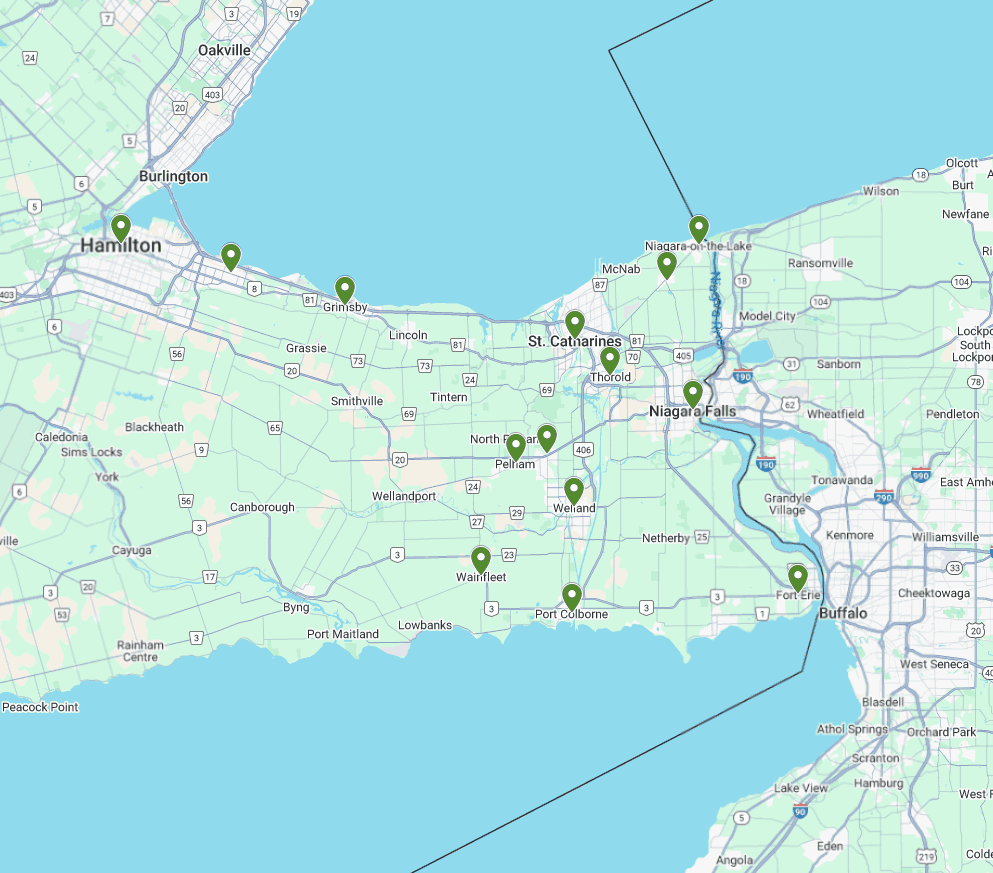
Service Areas
Our service areas encompass a wide range of locations, ensuring that we can meet the needs of our clients wherever they are. From bustling urban centers to serene rural landscapes, we are committed to providing top-notch services tailored to each unique environment.