



Port Colborne residents seeking AC installation can expect a thorough, code-compliant process designed to optimize comfort, humidity control, and energy efficiency. The guide site consultations, load calculations, equipment selection, ductwork preparation, permits, and a step-by-step workflow from planning to commissioning. It highlights local climate considerations, corrosion protection, and maintenance practices that extend system life. The result is a properly sized, reliable cooling solution with long-term performance benefits and clear post-install support. This page also explains common scenarios and cost considerations.
.jpeg)
AC installation in Port Colborne, ON
Summer in Port Colborne brings warm, humid days and the lake effect that can make indoor comfort a real priority. A properly installed air conditioner not only cools your home but controls humidity, protects indoor air quality, and reduces long-term energy costs. It describes how professional AC installation in Port Colborne, ON works, what to expect during the process, common local considerations, and how to maximize system performance and longevity.
Why a proper AC installation matters in Port Colborne
Port Colborne homes face higher than average summer humidity and occasional salt-laden air from Lake Erie. Those conditions make correct system sizing, corrosion-resistant outdoor placement, and reliable condensate management more important than in drier regions. An improperly installed system can short-cycle, struggle to dehumidify, drive up electricity bills, and suffer premature component wear. Investing in a correctly sized, code-compliant installation protects comfort, indoor air quality, and equipment life.
Common AC installation scenarios in Port Colborne homes
- New central air installation for detached homes with existing ductwork
- Replacement of aging or inefficient central AC or heat pump systems
- Ductwork upgrades or repairs before a new system is installed
- Ductless mini-split installation for additions, garages, or homes without ducts
- Heat pump conversions to combine efficient cooling and heating in one system
- Upgrading to higher-efficiency equipment to lower energy bills and improve humidity control
Initial consultation and site inspection
A thorough installation begins with an on-site consultation. The technician will:
- Review your cooling goals, budget, and any unique comfort issues
- Inspect existing ductwork, attic and basement access, and electrical service
- Note outdoor unit siting, roof or ground pad options, and clearance needs
- Check for insulation, window orientation, and shading that affect load
This step establishes the baseline for accurate system selection and identifies any duct or electrical work required to meet performance and code.
Load calculation and system sizing
Accurate sizing is critical. The installer performs a heat gain/load calculation (industry-standard methodologies similar to Manual J) that factors:
- Home square footage and ceiling heights
- Insulation levels, window types, and orientation
- Occupancy and internal heat sources (appliances, lighting)
- Local climate influences such as Port Colborne’s humidity and lake effect
Oversized systems cool quickly but do not dehumidify effectively; undersized systems run continuously and wear out faster. The right-sized unit delivers consistent temperature and humidity control and greater efficiency.
Choosing makes and models for efficiency and budget
Selection guidance balances up-front cost with operating savings:
- Efficiency ratings (SEER and HSPF for heat pumps) determine long-term energy use
- Variable-speed compressors and multi-stage systems improve humidity control and comfort
- Corrosion-resistant coatings or elevated pads help protect outdoor units near lake-influenced air
- Compatibility with existing furnaces or duct systems is checked to avoid mismatched equipment
- Consideration of available rebates, incentives, and financing options at the provincial or utility level
Technicians will explain trade-offs and help select models that meet your comfort needs and budget while optimizing seasonal performance.
Ductwork and line-set considerations
Good airflow is essential. Installation may include:
- Duct modifications, sealing, and insulation to reduce leaks and improve efficiency
- Return and supply balancing to ensure even cooling across rooms
- Installing proper line-sets (refrigerant lines) with insulation and routing to minimize pressure drop
- Sizing and installing a condensate drain with a trap and proper slope; adding pump if gravity drainage is unavailable
- Weatherproofing penetrations through walls and sealing to prevent moisture and air infiltration
If ducts are in poor condition, replacing or repairing them before installing a new AC is strongly recommended.
Permits and code compliance
AC installations in Port Colborne must comply with the Ontario Building Code and the Ontario Electrical Safety Code when electrical work is required. Municipal permits may be necessary for new outdoor units or major ductwork changes. Proper paperwork includes:
- Electrical permits for new circuits or upgrades
- Building permits if structural changes are needed
- Equipment documentation and, when required, refrigerant handling records
Licensed technicians follow all local codes and handle permit guidance to ensure safe, compliant installations.
Step-by-step installation workflow
Commissioning and performance testing
A professional installation includes measurable tests to verify performance:
- System airflow and static pressure checks to ensure correct CFM
- Refrigerant charge and superheat/subcooling verification for efficiency and longevity
- Electrical measurements: voltage and amperage under load
- Temperature split testing across return and supply vents
- Noise and vibration assessment for comfort
- Thermostat calibration and control testingThese tests confirm the system meets design expectations and operates safely.
Warranty and post-install support
Quality installations include both manufacturer warranties and labour warranties. Post-install support typically covers:
- Warranty registration and documentation
- Recommended maintenance schedule (annual tune-ups, filter changes)
- Seasonal checks for refrigerant levels, coils, and condensate drains
- Advice on thermostat schedules, zoning, and energy-saving habitsPrompt, local service availability in the Niagara region helps protect your investment and maintain peak performance.
Long-term benefits and maintenance tips
A correctly installed air conditioner in Port Colborne will:
- Deliver consistent cooling and better humidity control
- Lower energy bills through matched sizing and efficient equipment
- Extend equipment life with proper refrigerant charge and airflow
- Improve indoor comfort and air quality with sealed ducts and proper filtration
Maintenance tips:
- Replace or clean filters monthly during heavy use
- Keep outdoor unit clear of debris, snow, and vegetation
- Schedule annual professional tune-ups before the cooling season
- Ensure condensate drains remain open and sloped
A professional, code-compliant installation tailored to Port Colborne conditions gives reliable comfort for years while minimizing operating costs and avoiding premature failures.

Customer Testimonials

I called John today at 2:pm as my AC was not working and I wasn’t expecting even a call back as I knew with this hot weather we have had he would be swamped with calls. Well he called me back and showed at 8:pm on the same day to fix my AC. That is just incredible service and how much John really cares about his clients. Thank you John !

Very efficient company. I needed an old solar water heater removed from my roof. They were quick to book an appointment for the next day after I sent photos. They were very knowledgeable of the issue. The 2 guys that came were friendly and competent with the job, including removal of all parts.
Lifesavers!! The AC in our house decided to quit the day we were passing the keys to the new owners!! Instead of making a service call to the house, John coached me through the minor repair over the phone, saving me the money and time waiting for a repair person to come.Much appreciated! Thanks again John
We had an amazing experience getting our new furnace installed with Niagara Home Heating. The owner was very helpful, their quote was more then competitive and the technician who installed the unit was professional and friendly. I would recommend their services.
I had an issue with my hot water tank and called Niagara Home Heating. Their service was fantastic and reasonably priced—exactly how a business should be run!
I have used Niagara Home heating for multiple projects for over 16 years. John and his staff are absolutely the best. I tell all my friends and family about Niagara Home Heating because you won’t get any better service or pricing anywhere in Niagara. He has saved me thousands and thousands of dollars and has never let me down.

Service Areas
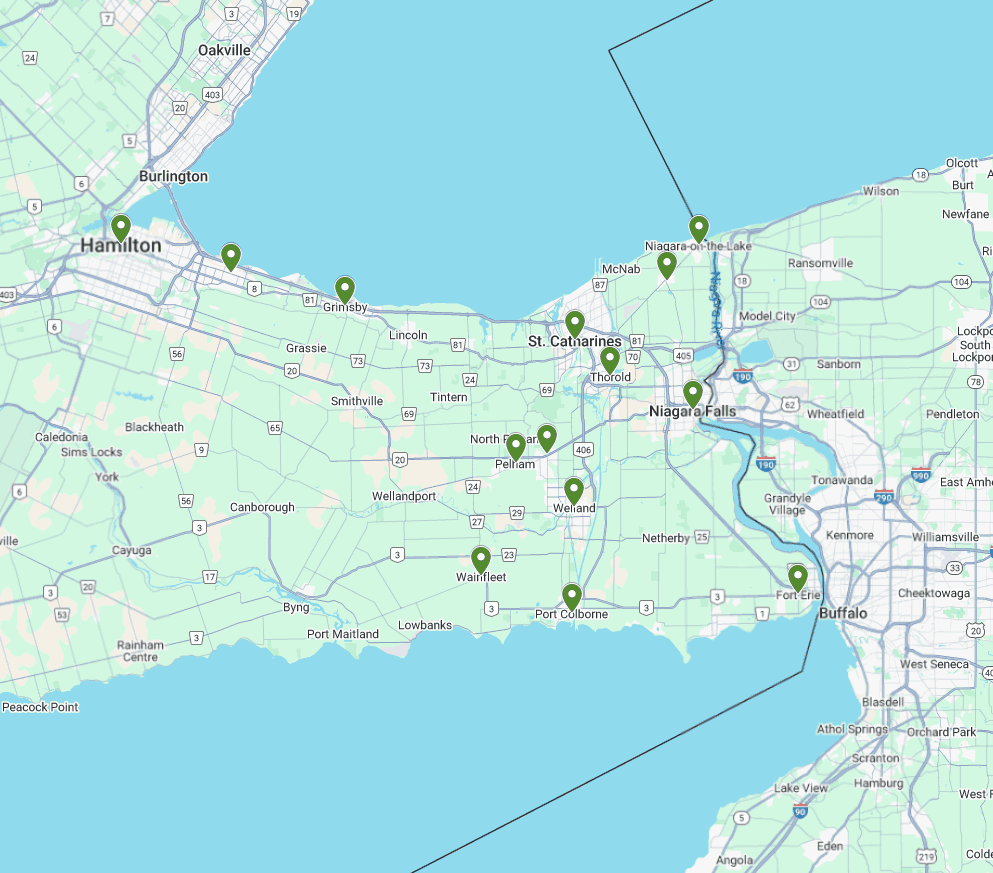
Our service areas encompass a wide range of locations, ensuring that we can meet the needs of our clients wherever they are. From bustling urban centers to serene rural landscapes, we are committed to providing top-notch services tailored to each unique environment.