



Boiler installation in Hamilton, ON covers why upgrading is essential for older homes, how pre-installation surveys determine fuel, venting, and space needs, and the step-by-step process from design to commissioning. It describes sizing to avoid short cycling, the importance of code compliance and permits, and the role of high-efficiency condensing boilers. The guide describess what to expect on install day, commissioning checks, warranties, and maintenance practices to ensure reliable comfort through Hamilton's cold seasons. Plan ahead for a smooth, disruption-free installation.
.jpeg)
Boiler Installation in Hamilton, ON
When you need a new boiler for your home or business in Hamilton, ON, the difference between a good installation and a great one is planning, code compliance, and professional commissioning. Hamilton winters are cold and prolonged, and many neighbourhoods have older homes with radiator systems or mixed heating setups. A correctly sized, code-compliant boiler installation reduces energy bills, extends equipment life, and delivers reliable comfort through seasonal extremes.
Why replace or install a new boiler in Hamilton
Common reasons property owners pursue a new boiler include:
- Old equipment nearing end of life, frequent breakdowns, or rising repair costs
- Desire for higher efficiency condensing boilers to cut natural gas bills
- Conversion from steam to hot water systems or vice versa
- New construction or major renovations requiring updated heating systems
- Need to meet updated municipal or TSSA requirements for safety and venting
Understanding these drivers helps shape the right solution for a Hamilton property, particularly in older homes where pipe layouts, radiators, and venting paths can complicate installation.
Pre-installation site survey: what technicians evaluate
A thorough pre-installation survey is the foundation of a successful boiler replacement or installation. Typical items checked include:
- Fuel type and supply layout (natural gas, propane, oil, or electric)
- Existing heating distribution (radiators, baseboards, in-floor hydronic)
- Boiler room access, clearances, and structural constraints
- Venting options: masonry chimney condition, ability to run direct vent or power vent, chimney lining needs
- Combustion air availability and any requirements for makeup air
- Domestic hot water integration or indirect tank requirements
- Piping condition, valve location, and need for new expansion tanks or bypass piping
- Electrical service and controls compatibility
- Local permit and inspection requirements
A survey produces a site-specific installation plan and an accurate system design and sizing recommendation.
System design and proper sizing for Hamilton homes
Correct sizing is essential. Installers use a detailed heating load calculation (not a rule-of-thumb based on square footage) that accounts for:
- Insulation levels, window types, and building orientation
- Envelope tightness and air leakage typical of older Hamilton properties
- Intended indoor design temperatures and zoning needs
- Heat loss per room or zone if zoning is required
Oversizing causes short cycling, reduced efficiency, and increased wear. Right-sizing, often combined with modulating-condensing boilers and outdoor-reset controls, maximizes comfort and fuel savings in Hamilton’s climate.
Venting and piping requirements
Modern condensing boilers require specific venting and condensate management:
- PVC or stainless venting for condensing units versus metal chimney for non-condensing options
- Condensate drainage to an approved drain or pumped away where grades don’t permit gravity flow
- Chimney relining when converting systems or when existing masonry is deteriorated
- Proper combustion air intake and sealed combustion where required by code
- Hydronic piping best practices: correct pipe sizing, low-loss headers, proper air elimination, and expansion tank sizing
Commercial installations add considerations for larger flue arrangements, redundancy, and boiler room ventilation.
Code compliance, permits, and inspections
Boiler installations in Hamilton must comply with Ontario regulations and municipal codes. Common compliance items include:
- Fuel-fired appliance permits and inspections overseen by the Technical Standards and Safety Authority (TSSA) for gas and propane equipment
- Building permits and local inspections from the City of Hamilton for structural changes, vent penetrations, or significant mechanical work
- Electrical and plumbing permits where controls, power, or condensate lines are affected
A professional installer will prepare the permit paperwork, ensure installations meet TSSA and local code requirements, and coordinate inspection scheduling.
Professional installation steps and what to expect on install day
Install day follows a clear sequence to minimize disruption:
Installers typically leave the work area clean and provide a walkthrough of new controls and operation.
Commissioning, testing, and handover
Proper commissioning confirms the system performs as designed. Key commissioning tasks:
- Combustion and flue gas analysis for safe and efficient firing if applicable
- Pressure and leak testing of boilers and piping
- Calibration of thermostats, outdoor reset, and zone controls
- Balancing and bleeding radiators or zones for even heat distribution
- Verifying low-water cutoffs, safety relief valves, and electrical protections operate correctly
Technicians should provide documentation of system settings, test results, and warranty registration details.
Manufacturer warranties and post-installation support
New boilers come with manufacturer warranties on heat exchangers and components. Equally important is a labor warranty from the installer and clear instructions on warranty registration. For Hamilton properties, plan for:
- Regular annual maintenance visits to preserve efficiency and warranty compliance
- A documented maintenance checklist including burner inspection, flue check, and pump lubrication
- Guidance on emergency shutoff and basic troubleshooting
Reliable post-installation support keeps the system running through Hamilton’s long heating season.
Long-term benefits and maintenance recommendations
Investing in a properly installed boiler pays off in comfort, efficiency, and reliability. Benefits include:
- Lower energy bills with modern high-efficiency condensing equipment
- More consistent heat delivery in homes with radiators or older distribution systems
- Reduced risk of winter emergencies and expensive mid-season replacements
- Extended equipment lifespan with regular preventive maintenance
Recommended maintenance: annual service before the heating season, periodic system flushing and treatment, and prompt attention to any unusual noises or performance changes.
A correctly planned and executed boiler installation in Hamilton, ON protects your investment and ensures dependable heat through the cold months. Tailoring system design and venting to local building characteristics, meeting regulatory requirements, and thorough commissioning are the steps that separate short-term fixes from long-term heating solutions.

Customer Testimonials

Very efficient company. I needed an old solar water heater removed from my roof. They were quick to book an appointment for the next day after I sent photos. They were very knowledgeable of the issue. The 2 guys that came were friendly and competent with the job, including removal of all parts.

Lifesavers!! The AC in our house decided to quit the day we were passing the keys to the new owners!! Instead of making a service call to the house, John coached me through the minor repair over the phone, saving me the money and time waiting for a repair person to come.Much appreciated! Thanks again John
We had an amazing experience getting our new furnace installed with Niagara Home Heating. The owner was very helpful, their quote was more then competitive and the technician who installed the unit was professional and friendly. I would recommend their services.
I had an issue with my hot water tank and called Niagara Home Heating. Their service was fantastic and reasonably priced—exactly how a business should be run!
I called John today at 2:pm as my AC was not working and I wasn’t expecting even a call back as I knew with this hot weather we have had he would be swamped with calls. Well he called me back and showed at 8:pm on the same day to fix my AC. That is just incredible service and how much John really cares about his clients. Thank you John !
I have used Niagara Home heating for multiple projects for over 16 years. John and his staff are absolutely the best. I tell all my friends and family about Niagara Home Heating because you won’t get any better service or pricing anywhere in Niagara. He has saved me thousands and thousands of dollars and has never let me down.

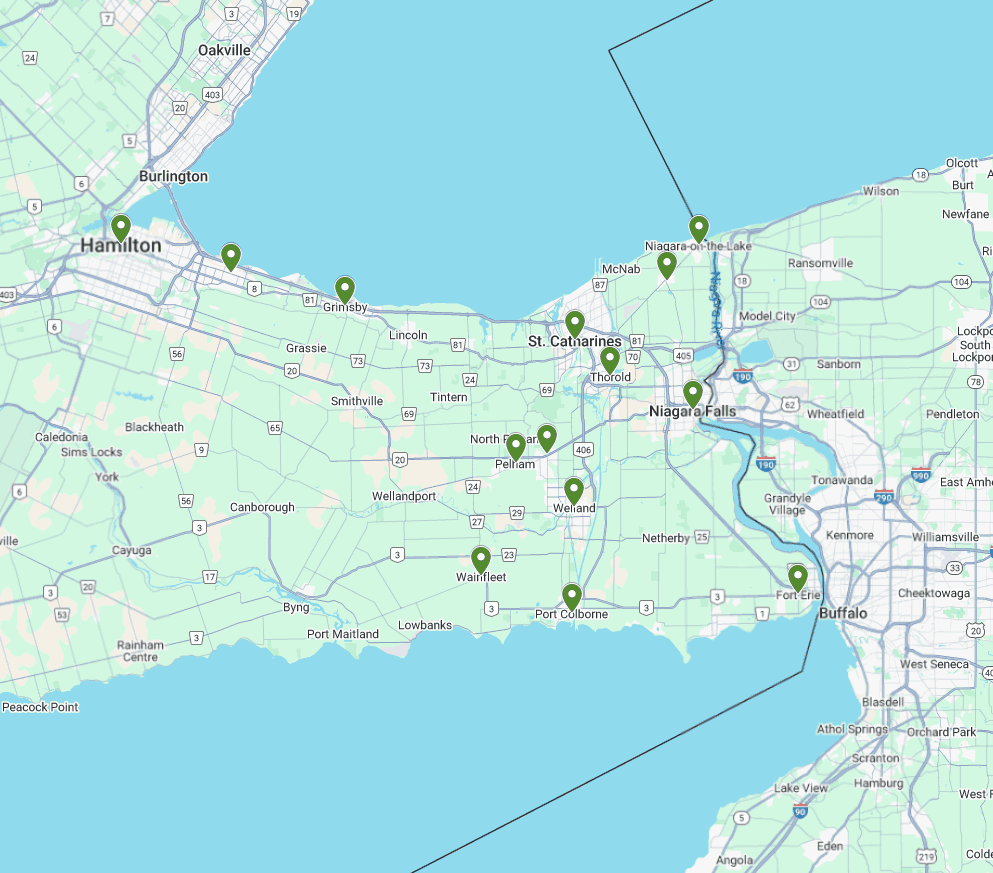
Service Areas
Our service areas encompass a wide range of locations, ensuring that we can meet the needs of our clients wherever they are. From bustling urban centers to serene rural landscapes, we are committed to providing top-notch services tailored to each unique environment.