



how qualified Boiler Repair Technicians in Hamilton diagnose and fix common boiler faults, what homeowners can expect from emergency and same-day service, and how manufacturer-approved parts support reliability and warranty. It describess a methodical diagnostic process, considerations for choosing repair or replacement, typical timelines and costs, and practical preventive maintenance tips tailored to Hamilton’s longer winter season. Readers gain clear, actionable guidance to decide the best path for comfort, safety, and energy efficiency.
.jpeg)
Boiler Repair in Hamilton, ON
A malfunctioning boiler disrupts comfort and can create safety risks in Hamilton homes, especially during cold, damp winters and lake-effect temperature swings. Our Boiler Repair in Hamilton, ON content explains how professional technicians diagnose and fix the most common boiler faults, what to expect from emergency and same-day service, how manufacturer-approved parts are used, and how to decide whether a repair or full replacement is the right path for your home. This page is written for homeowners who need clear, practical information at the decision stage.
Why timely boiler repair matters in Hamilton
Hamilton’s older housing stock and long heating season put more strain on hydronic and steam boilers. Delaying repairs can lead to higher energy bills, increased risk of component failure, and, in extreme cases, safety hazards like carbon monoxide leaks or flooding from a failed pressure vessel. Fast, accurate diagnostics protect comfort, efficiency, and safety.
Common boiler issues in Hamilton homes
- Ignition failures: Burner won’t light, repeated lockouts, or intermittent heating. Common with electronic ignition modules, dirty electrodes, or fuel supply problems.
- Pilot light problems: For older boilers with a standing pilot, flickering or extinguished pilot lights often signal thermocouple or gas valve issues.
- Low or high pressure: Boilers operating outside recommended pressure range cause poor heat distribution, noisy radiators, or system shutdowns. Leaks, faulty expansion tanks, or pressure relief valves are frequent culprits.
- Water leaks: Pipe joints, valves, pumps, and heat exchangers can deteriorate—especially in older systems—leading to internal or visible leaks.
- Noisy operation: Kettling (scale buildup on heat exchangers), trapped air, or failing circulator pumps cause banging, gurgling, or whistling.
- Short-cycling or inefficient operation: Aging controls, oversized boilers, or clogged components lead to frequent on/off cycles and higher fuel use.
- No heat or hot water: Could be a combination of safety interlocks, failed thermostats, circulator pump failure, or combustion problems.
Diagnostic process: what professionals check
Technicians follow a methodical diagnostic approach so repairs are precise and lasting:
Diagnostics are documented and explained in plain language so homeowners in Hamilton understand root causes and options.
Emergency response and same-day repairs
Boiler failures during a Hamilton cold snap are urgent. Emergency service protocols prioritize:
- Rapid on-site assessment to determine immediate safety risks (carbon monoxide presence, gas leaks, flooding).
- Temporary measures to restore safe heating where possible (system isolation, temporary bypasses, safe shutdown).
- Same-day repairs for common, straightforward faults using stocked parts for typical components.
- Clear recommendations for next steps if more extensive work or replacement is required.
Same-day repair availability depends on parts availability and the nature of the fault; technicians aim to restore safe operation the same day whenever feasible.
Parts replacement and manufacturer-approved components
When parts must be replaced, long-term reliability depends on quality components:
- Use of manufacturer-approved or OEM-equivalent parts for burners, controls, pumps, valves, heat exchangers, and sensors.
- Replacement parts matched to the boiler model and local code requirements to preserve efficiency and warranty considerations.
- Clear documentation of replaced components and explanations of why specific parts were chosen.
Selecting the correct, approved parts reduces repeat failures and helps maintain system efficiency—important in Hamilton where long run times are common.
Technician qualifications and safety checks
Qualified technicians combine formal training with field experience:
- Certification in gas appliance service and familiarity with hydronic systems and local code requirements.
- Regular safety checks: combustion testing, carbon monoxide monitoring, pressure relief valve testing, and electrical safety verification.
- Respect for homes: cleanliness protocols and protective measures for floors and furniture during service calls.
Safety checks are performed before leaving the site to ensure the boiler operates safely and efficiently.
Typical repair timelines and cost considerations
Repair timelines vary by fault:
- Simple fixes (thermostat, sensor, minor valve replacement) are often completed the same day.
- Repairs that require ordered parts or major component swaps (heat exchanger, major control boards) can extend the timeline by days.Cost is influenced by parts required, labor intensity, and whether multiple system components are affected. Technicians provide a clear explanation of what was found, the recommended repair work, and why it is the best approach for long-term performance.
When to repair vs when to replace
Repair is appropriate when:
- The fault is isolated to a single component and the rest of the boiler is in good condition.
- The boiler has been well-maintained and is relatively modern with good heat exchanger condition and efficiency.
- Repair restores safe operation and meaningful remaining service life.
Replacement should be considered when:
- The boiler is older with recurring failures or multiple major components failing.
- Heat exchanger corrosion, repeated leaks, or inefficient operation indicate end-of-life.
- Ongoing repair costs and downtime exceed the value of a modern, more efficient unit—especially for larger homes or commercial systems in Hamilton where heating demand is high.
Technicians evaluate system age, efficiency, expected remaining life, and the homeowner’s priorities (budget, energy savings, reliability) to recommend repair or replacement.
Preventive maintenance and local tips for Hamilton homeowners
- Annual inspection and cleaning before the heating season reduces the risk of failures during cold spells.
- Address hard water and scale prevention on heating circuits that accelerate heat exchanger wear in older Hamilton homes.
- Keep boiler rooms free of clutter and ensure combustible clearances for safe operation.
Timely repairs, combined with regular maintenance, protect comfort, safety, and efficiency—especially important in Hamilton’s extended heating season.

Customer Testimonials

We had an amazing experience getting our new furnace installed with Niagara Home Heating. The owner was very helpful, their quote was more then competitive and the technician who installed the unit was professional and friendly. I would recommend their services.

Lifesavers!! The AC in our house decided to quit the day we were passing the keys to the new owners!! Instead of making a service call to the house, John coached me through the minor repair over the phone, saving me the money and time waiting for a repair person to come.Much appreciated! Thanks again John
I called John today at 2:pm as my AC was not working and I wasn’t expecting even a call back as I knew with this hot weather we have had he would be swamped with calls. Well he called me back and showed at 8:pm on the same day to fix my AC. That is just incredible service and how much John really cares about his clients. Thank you John !
I had an issue with my hot water tank and called Niagara Home Heating. Their service was fantastic and reasonably priced—exactly how a business should be run!
I have used Niagara Home heating for multiple projects for over 16 years. John and his staff are absolutely the best. I tell all my friends and family about Niagara Home Heating because you won’t get any better service or pricing anywhere in Niagara. He has saved me thousands and thousands of dollars and has never let me down.
Very efficient company. I needed an old solar water heater removed from my roof. They were quick to book an appointment for the next day after I sent photos. They were very knowledgeable of the issue. The 2 guys that came were friendly and competent with the job, including removal of all parts.

Service Areas
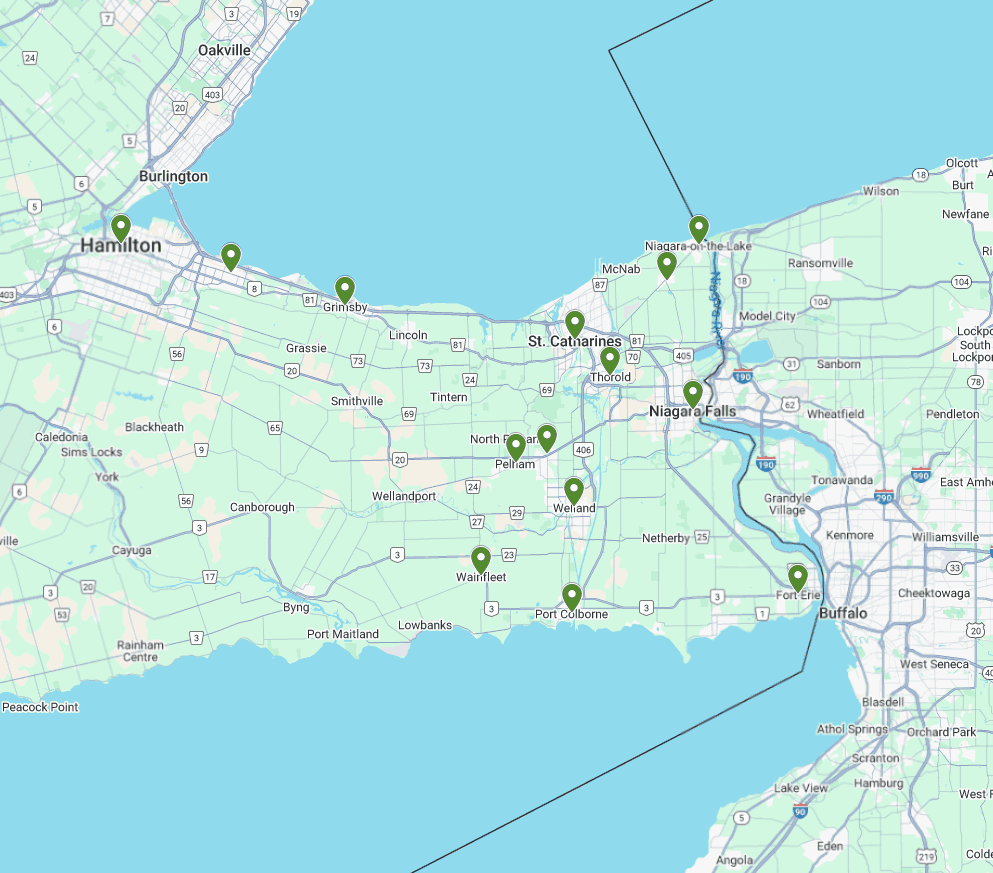
Our service areas encompass a wide range of locations, ensuring that we can meet the needs of our clients wherever they are. From bustling urban centers to serene rural landscapes, we are committed to providing top-notch services tailored to each unique environment.