



Boiler tune-ups in Hamilton, ON provide a thorough inspection, cleaning, and adjustment of boilers to improve safety, efficiency, and reliability during harsh winters. This service targets common older-system issues such as sediment buildup, corrosion, and worn controls, reduces energy waste, and helps prevent mid-season breakdowns. A full tune-up includes combustion testing, burner and heat exchanger checks, venting verification, thermostat calibration, and safety device testing, followed by maintenance recommendations to extend equipment life and maintain consistent, comfortable heat in homes and small businesses.
.jpeg)
Boiler Tune-Up in Hamilton, ON
A professional boiler Tune-Up in Hamilton, ON keeps your heating system running safely, efficiently, and reliably through long cold seasons. Hamilton’s lake-influenced winters and many older homes mean boilers often work harder and longer than in milder regions. A thorough tune-up addresses common performance and safety issues, reduces energy waste, and extends the life of your boiler so your home or business stays warm without surprise breakdowns.
Why a boiler tune-up matters in Hamilton homes and buildings
Hamilton experiences cold, damp winters and frequent freeze-thaw cycles that place extra strain on boilers and piping. In older homes common in many Hamilton neighbourhoods, boilers may have accumulated sediment, corroded components, or outdated controls. Regular tune-ups:
- Improve combustion efficiency to lower fuel use and heating costs
- Reduce the risk of mid-winter failures when repair options are limited
- Identify early signs of leaks, corrosion, or worn parts that can escalate
- Ensure safe operation and proper venting in tighter, renovated homes
Common boiler problems we see in Hamilton (and what causes them)
- Reduced heat output or uneven heating across radiators or zones — often from sludge or trapped air in the system.
- Frequent short-cycling or burner lockouts — usually due to dirty burners, incorrect combustion settings, or failing sensors.
- Rising energy bills without usage change — caused by poor combustion efficiency, fouled heat exchangers, or miscalibrated thermostats.
- Pilot or ignition failures — related to dusty pilots, weak flame, or faulty ignition assemblies.
- Corrosion, leaks, and pressure loss — accelerated by moisture, mineral deposits, or failing valves in older systems.
What a full boiler tune-up includes
A professional tune-up is a systematic inspection, cleaning, and adjustment process that targets performance, safety, and reliability. Typical tune-up steps include:
- Visual and operational inspection of the entire boiler and components
- Combustion testing and efficiency measurement to confirm proper fuel-to-air ratios
- Burner and pilot adjustments to achieve a steady, optimal flame
- Heat exchanger inspection and basic cleaning to remove soot and deposits
- Flue and venting checks to ensure safe exhaust and correct draft
- Thermostat calibration and verification of control logic and setpoints
- Safety device testing: pressure relief valve, low-water cut-offs, flame sensors
- Circulator pump and zone valve checks for proper operation and lubrication
- Water column, expansion tank, and system pressure verification and correction
- Minor repairs and adjustments such as tightening electrical connections, replacing small seals, and clearing drains
Detailed diagnostic and testing process
During combustion and efficiency testing, technicians measure stack temperatures, carbon monoxide, and oxygen levels to confirm the burner is tuned to factory or code-specified values. Correcting the air-to-fuel ratio improves heat transfer and reduces soot buildup. Pressure and leak tests help locate slow leaks that cause drop in system pressure and poor performance. Technician checks are documented so you know which components are healthy and which may need future replacement.
Checklist: Items inspected, cleaned, and corrected
- Visual condition of boiler cabinet, controls, and insulation
- Burner assembly and pilot/ignition system operation and cleaning
- Combustion test readings (CO, O2, draft, and stack temp) and adjustments
- Heat exchanger condition and removal of light soot buildup
- Flue/venting integrity, clearances, and draft measurements
- Safety devices: pressure relief valve, low-water cutoff, flame sensor
- System pressure, fill valves, and expansion tank operation
- Circulator pumps: flow, noise, and electrical load checks
- Thermostat calibration and control sequencing
- Zone valves and radiator balance/air bleed checks
- Minor electrical and mechanical adjustments (wiring, seals, gaskets)
- Recommendations for further repairs or replacements if needed
Expected outcomes: efficiency, reliability, and safety
A complete boiler tune-up typically results in:
- Improved fuel efficiency and more consistent heat delivery across zones
- Fewer unexpected breakdowns and longer equipment life
- Lower combustion by-products and reduced soot that can cause corrosion
- Restored thermostat accuracy and more stable indoor temperature control
- Verified safe venting and reduced risk of combustion gas issues
While individual results vary by system age and condition, many Hamilton homeowners see measurable improvements in runtime and comfort after a professional tune-up.
Recommended follow-up and maintenance schedule
- Annual tune-up: For most residential and light commercial boilers, schedule a full tune-up once a year before the heating season to ensure peak performance.
- Biannual check: High-use or older systems may benefit from a mid-season inspection to catch issues early.
- Monitor: Keep an eye on odd noises, pressure changes, unusual odors, or spikes in fuel bills; these are signs to request an inspection.
- Water treatment: If your boiler system shows signs of corrosion or sediment, consider a system flush or water treatment plan to limit buildup and extend component life.
- Upgrade planning: If diagnostics show major efficiency losses or recurring component failures, plan for targeted repairs or replacement of obsolete controls or the boiler itself to improve long-term reliability.
Final notes on value and local relevance
A professional boiler tune-up in Hamilton, ON is an investment that lowers operating costs and reduces the likelihood of emergency repairs during the coldest months. Given Hamilton’s winter demands and the prevalence of older residential systems, timely maintenance protects comfort and property value while improving safety. Regular, documented tune-ups also support warranty requirements and provide a clear maintenance history valuable to homeowners and property managers alike.
Keeping your boiler tuned and serviced according to these standards ensures dependable heat throughout Hamilton’s winter season, better efficiency, and fewer surprises when temperatures drop.

Customer Testimonials

I had an issue with my hot water tank and called Niagara Home Heating. Their service was fantastic and reasonably priced—exactly how a business should be run!

I have used Niagara Home heating for multiple projects for over 16 years. John and his staff are absolutely the best. I tell all my friends and family about Niagara Home Heating because you won’t get any better service or pricing anywhere in Niagara. He has saved me thousands and thousands of dollars and has never let me down.
Lifesavers!! The AC in our house decided to quit the day we were passing the keys to the new owners!! Instead of making a service call to the house, John coached me through the minor repair over the phone, saving me the money and time waiting for a repair person to come.Much appreciated! Thanks again John
Very efficient company. I needed an old solar water heater removed from my roof. They were quick to book an appointment for the next day after I sent photos. They were very knowledgeable of the issue. The 2 guys that came were friendly and competent with the job, including removal of all parts.
We had an amazing experience getting our new furnace installed with Niagara Home Heating. The owner was very helpful, their quote was more then competitive and the technician who installed the unit was professional and friendly. I would recommend their services.
I called John today at 2:pm as my AC was not working and I wasn’t expecting even a call back as I knew with this hot weather we have had he would be swamped with calls. Well he called me back and showed at 8:pm on the same day to fix my AC. That is just incredible service and how much John really cares about his clients. Thank you John !

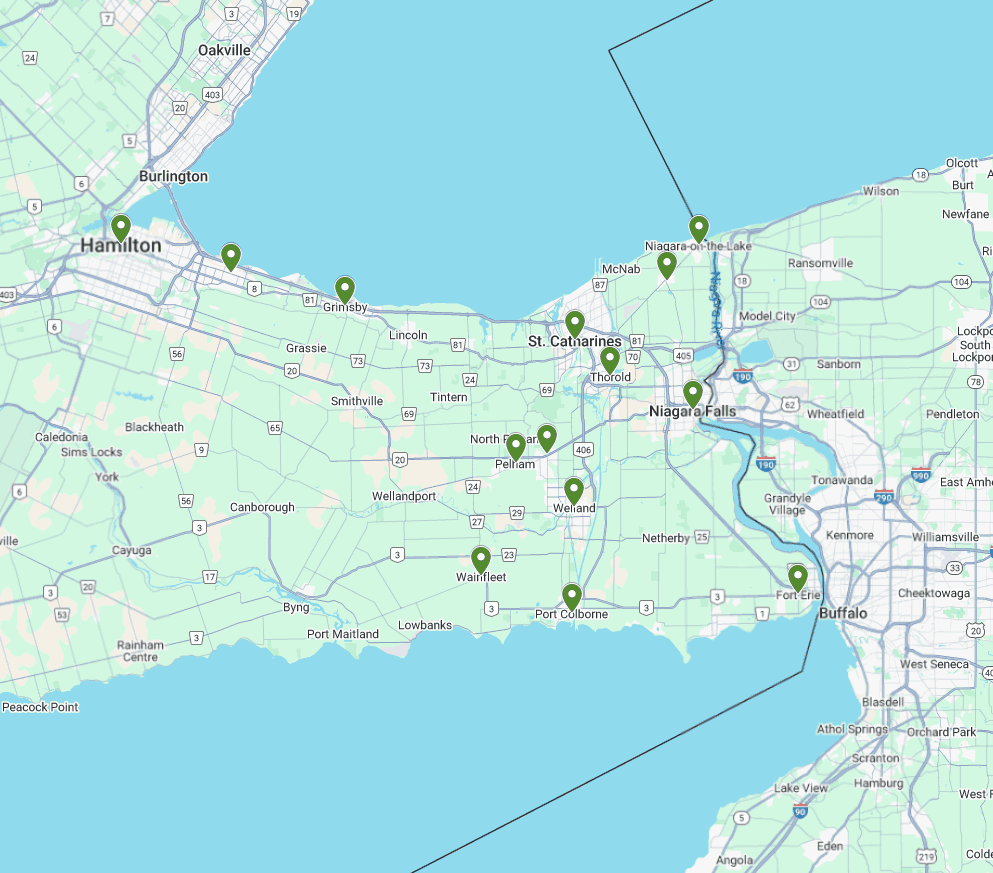
Service Areas
Our service areas encompass a wide range of locations, ensuring that we can meet the needs of our clients wherever they are. From bustling urban centers to serene rural landscapes, we are committed to providing top-notch services tailored to each unique environment.