



Boiler replacement in Hamilton, ON describess a thorough, step-by-step process to improve comfort, reliability, and energy efficiency. The guide covers on-site assessments, right-sizing through heat-loss calculations, and comparisons of condensing gas, oil, electric, and hybrid options. It details removal, installation, commissioning, and warranties, plus financing considerations. Timelines and cost components are explained, alongside expected performance gains and long-term savings. Proper maintenance and local considerations are emphasized to maximize value and ensure lasting heating system reliability.
-min.jpeg)
Boiler Replacement in Hamilton, ON
Replacing a boiler is one of the most effective ways to improve comfort, reduce energy bills, and avoid emergency failures in Hamilton homes. With cold, wet winters and many older houses using hydronic heat, choosing the right boiler and following a careful replacement process matters. It describes the complete boiler replacement process in Hamilton, ON, what to expect on site, how systems are right-sized and installed, comparisons of modern fuel and efficiency options, warranty and financing considerations, expected timelines and cost components, and the long-term performance and energy savings benefits of upgrading.
Why replace your boiler in Hamilton
Hamilton winters can push aging boilers to failure, and older units often lose efficiency over time. Common reasons homeowners pursue replacement include:
- Repeated breakdowns or costly repairs
- Rising energy bills despite regular service
- Inconsistent radiator or baseboard heat across rooms
- Old equipment near or beyond expected service life
- Desire to switch to a more energy-efficient fuel or condensing technology
Upgrading eliminates reliability concerns and can provide measurable savings during Hamilton's long heating season.
On-site assessment: what technicians check
A proper boiler replacement starts with a thorough on-site system assessment. Technicians examine:
- Existing boiler age, condition, and venting
- Distribution type (radiators, baseboards, in-floor hydronics)
- Piping layout, zone controls, and thermostat locations
- Combustion air and flue venting requirements
- Boiler room clearance, access and structural considerations
- Domestic hot water integration if the boiler provides hot water
This assessment uncovers any hidden issues such as corroded piping, undersized vents, or inadequate combustion air that need attention during replacement.
Load calculations and right-sizing
A critical step is performing a heat loss calculation for your home to determine the correct boiler capacity. Right-sizing prevents:
- Short cycling from oversized boilers
- High first-hour energy use from undersized units
- Unnecessary equipment costs and reduced lifespan
Calculations account for Hamilton-specific factors like local design temperatures, insulation, window types, and home orientation. The result is a recommended output in BTU or kW that matches your home’s actual heating needs.
Comparing models and fuel types
Homeowners in Hamilton commonly choose among several boiler technologies and fuels. Key options include:
- Condensing natural gas boilers: High efficiency and common in urban areas; condensing models recover heat from flue gases for superior performance.
- Oil and propane boilers: Still used in some neighborhoods where natural gas is unavailable; modern options offer improved controls and efficiency.
- Electric boilers: Useful for homes without combustion appliances, though operating costs depend on electricity rates and may be higher.
- Hybrid systems and heat-pump integration: For homeowners seeking low-carbon options, hybrid systems combine heat pumps with a boiler for peak-load backup.
When comparing models, technicians evaluate AFUE and seasonal efficiency, modulation range (how well the boiler adjusts output), controls compatibility, and integration with existing zoning. For Hamilton homeowners, condensing gas boilers often deliver the best balance of efficiency and operating cost, particularly during long, cold stretches.
Removal and disposal of old equipment
Safe, compliant removal includes:
- Draining and neutralizing any remaining boiler and system water
- Disconnecting fuel and electrical lines per code
- Removing the old boiler and associated piping as required
- Providing proper disposal or recycling of metal and hazardous components
Local regulations and municipal waste rules are followed for disposal, including handling of oil residues and refrigerant if present.
Step-by-step replacement and installation
A typical residential replacement follows these steps:
Installation quality, correct venting, and proper commissioning are as important as the boiler selection itself to achieve promised efficiency.
Warranty and financing options
Modern boilers come with manufacturer warranties on heat exchangers and parts. Typical warranty elements to review:
- Heat exchanger warranty length
- Parts and labor coverage variations
- Conditions that may void the warranty, such as improper water treatment or unaddressed corrosion
Financing options available to homeowners often include low-interest home improvement loans, manufacturer or dealer financing plans, and government or utility rebates for high-efficiency equipment. Discussing warranty registration and financing early in the process helps align the replacement with long-term budget planning.
Expected timelines and cost breakdowns
Residential boiler replacements in Hamilton commonly follow this timeline:
- Site assessment and quote: 1 to 7 days depending on scheduling
- Permitting (if required): same day to a few weeks depending on the municipality
- Installation: typically 1 to 3 days for straightforward replacements; more for larger systems or when piping, venting or zone upgrades are needed
Cost components are broken down into:
- Equipment: the largest portion, reflecting model, capacity and efficiency
- Labor: removal, installation and commissioning
- Materials and upgrades: venting, piping, valves, controls and safety devices
- Permits and inspections: municipal approvals where required
- Disposal and cleanup
Understanding these components helps homeowners evaluate proposals and compare bids consistently.
Performance and energy savings benefits
Upgrading to a modern, properly sized boiler delivers:
- Improved comfort with consistent heat and better zone control
- Lower operating costs through higher thermal efficiency and modulation
- Reduced repair frequency and extended service life
- Cleaner indoor air by avoiding combustion issues from aging equipment
Efficiency improvements from older non-condensing boilers to modern condensing units are commonly significant, often resulting in meaningful energy savings over the heating season in Hamilton’s climate. Over time, these savings, combined with reduced maintenance and improved reliability, contribute to a better value for your home.
Maintenance and long-term considerations
To protect the investment, follow recommended maintenance:
- Annual service and combustion checks for gas and oil systems
- Water treatment and system flushing when needed
- Timely replacement of circulating pumps, valves and controls as they age
Proper maintenance preserves efficiency, prolongs equipment life, and helps maintain warranty compliance.
Replacing a boiler in Hamilton, ON involves more than swapping hardware; it requires a skilled assessment, accurate right-sizing, careful installation, and attention to local conditions. When planned and executed correctly, a replacement provides dependable warmth, lower energy bills, and peace of mind for years to come.

Customer Testimonials

We had an amazing experience getting our new furnace installed with Niagara Home Heating. The owner was very helpful, their quote was more then competitive and the technician who installed the unit was professional and friendly. I would recommend their services.

I had an issue with my hot water tank and called Niagara Home Heating. Their service was fantastic and reasonably priced—exactly how a business should be run!
Lifesavers!! The AC in our house decided to quit the day we were passing the keys to the new owners!! Instead of making a service call to the house, John coached me through the minor repair over the phone, saving me the money and time waiting for a repair person to come.Much appreciated! Thanks again John
Very efficient company. I needed an old solar water heater removed from my roof. They were quick to book an appointment for the next day after I sent photos. They were very knowledgeable of the issue. The 2 guys that came were friendly and competent with the job, including removal of all parts.
I have used Niagara Home heating for multiple projects for over 16 years. John and his staff are absolutely the best. I tell all my friends and family about Niagara Home Heating because you won’t get any better service or pricing anywhere in Niagara. He has saved me thousands and thousands of dollars and has never let me down.
I called John today at 2:pm as my AC was not working and I wasn’t expecting even a call back as I knew with this hot weather we have had he would be swamped with calls. Well he called me back and showed at 8:pm on the same day to fix my AC. That is just incredible service and how much John really cares about his clients. Thank you John !

Service Areas
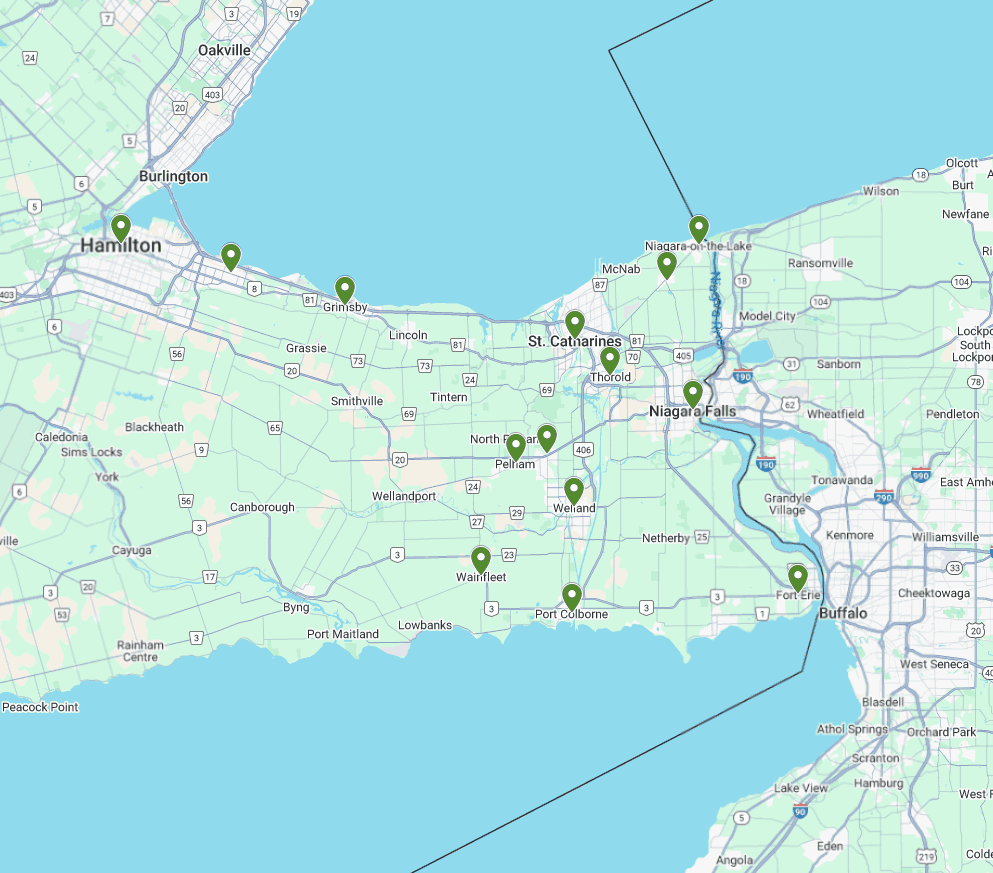
Our service areas encompass a wide range of locations, ensuring that we can meet the needs of our clients wherever they are. From bustling urban centers to serene rural landscapes, we are committed to providing top-notch services tailored to each unique environment.