



Niagara Falls boiler installation guide outlines a full-service process from evaluation to commissioning. It explains selecting the right boiler type and fuel, sizing to match heat load, and planning permits and safety inspections. The article details step-by-step installation, venting, electrical hookups, and system filling, followed by testing, adjustments, and performance verification. It also covers warranty coverage, maintenance tips, and long-term efficiency strategies to ensure reliable warmth, reduced fuel use, and comfortable homes throughout Ontario winters.
.jpeg)
Boiler Installation in Niagara Falls, ON
Replacing or installing a new boiler is one of the most important investments you can make in your home’s comfort and energy efficiency. In Niagara Falls, ON, where cold, damp winters and older housing stock are common, a properly selected and installed boiler can reduce fuel costs, improve comfort with more consistent heat, and lower the risk of breakdowns during the coldest months. This page explains the full new boiler installation process so you know what to expect: site evaluation, sizing and recommendations, fuel and model options, installation steps, required permits and safety inspections, commissioning and testing, warranty details, and practical tips to keep your system running efficiently for years.
Common boiler types and fuel options in Niagara Falls homes
- Modulating condensing boilers (gas or propane): High-efficiency condensing technology recovers heat from flue gases for efficiencies typically above 90 percent. Best choice where natural gas or propane is available and where you want long-term fuel savings.
- Combi (combination) boilers: Provide space heating and on-demand domestic hot water in one compact unit. Well suited to smaller homes or where space is limited.
- System and heat-only boilers: Designed for homes with separate hot water cylinders or older radiator systems.
- Oil-fired boilers: Found in some older or rural Niagara Falls homes not connected to natural gas. Modern oil options are more efficient than older units but require fuel deliveries and different venting considerations.
- Electric boilers: Useful where fossil fuels are unavailable or for small low-load applications, though operating costs depend on electricity prices.
- Compatibility: Installations can be tailored for cast-iron radiators, baseboard convectors, or in-floor radiant systems common in renovation projects.
Site evaluation, heat loss calculations, and system sizing
A thorough site evaluation is the foundation of a correct installation. Key actions include:
- Heat loss calculation for the entire building to determine required boiler output. Correct sizing prevents oversizing that wastes fuel and short-cycling that shortens equipment life.
- Assessment of existing distribution: pipe condition, radiators, baseboards, and zone layout. Older radiators may need rebalance or replacement to match new boiler output.
- Fuel and venting review: confirm natural gas availability or propane tank location, gas line capacity, and suitable venting or power-vent options.
- Equipment placement and clearances: verify floor or wall space, condensate drainage route (for condensing units), and combustion air requirements.
High-efficiency models and features to consider
When choosing a new boiler in Niagara Falls, look for:
- Condensing capability and modulating burners for high seasonal efficiency and better part-load performance.
- Stainless steel or aluminized heat exchangers for longer life in wet-condensing conditions.
- Outdoor reset control to automatically adjust water temperature with outdoor temperature changes, improving comfort and reducing fuel use.
- Compatibility with zoning controls and smart thermostats for room-by-room comfort.
- Low-NOx burners where local emissions rules or building codes apply.Selecting the right combination of features depends on your home’s layout, hot water needs, and fuel option.
Typical installation procedure
A professional installation typically follows these steps:
- Pre-job survey and permit submission after site evaluation.
- Safe shutdown and removal of the old boiler, with proper disposal of fuel lines and materials.
- Mechanical modifications: update gas line sizing or fuel connections, install new venting or power-vent termination, provide condensate drain and neutralization as required.
- Piping work: install supply and return headers, expansion tank, pressure relief, backflow prevention, valves, and zone actuators or pumps.
- Electrical hookups: controls, circulator pumps, and any low-voltage thermostat wiring.
- System fill, air purge, and pressure testing of the hydronic system.
- Initial start-up and combustion adjustments for safe, efficient operation.
- Commissioning and performance testing (see next section).
Installers working in Niagara Falls should plan installations to minimize disruption during winter months and to protect interior finishes during removal and installation.
Permits, safety inspections, and regulatory compliance
Boiler installations in Ontario typically require:
- Municipal building permits and inspections for mechanical and plumbing work.
- Compliance with Technical Standards and Safety Authority (TSSA) regulations for boilers and pressure vessels where applicable.
- Gas permits and post-installation gas safety inspections for natural gas or propane systems.
- Proper documentation for venting, combustion air, and flue installation to meet local code.Ensure your installer provides permit filings and inspection coordination; keeping paperwork is important for warranty validity and future property transactions.
Commissioning and performance testing
A complete commissioning includes:
- Leak and pressure testing of the hydronic system.
- Combustion analysis and flue gas testing to verify safe combustion and correct draft.
- Carbon monoxide checks around the appliance and in living spaces.
- Flow and pump performance verification and system balancing of zones.
- Programming of controls, thermostats, and outdoor reset settings.
- Walkthrough and operational documentation for the homeowner, including maintenance schedule and what to monitor.
Warranty and documentation
New boilers carry manufacturer warranties on major components and heat exchangers; terms vary by model. Installer labor warranties are a separate important protection for workmanship. Keep all warranty cards, installation records, and permit documentation. Register manufacturer warranties promptly where required and save commissioning reports and service records to support future claims.
Long-term efficiency and maintenance tips for Niagara Falls homes
- Annual professional tune-up: combustion check, burner cleaning, seal inspections, pump lubrication, and controls verification.
- Water quality management: flush the system if recommended, and use corrosion inhibitors where appropriate to protect pumps and heat exchangers.
- Zone and thermostat optimization: program thermostats for setbacks and use zoning to avoid heating unused areas.
- Insulate accessible hot water and piping to reduce distribution losses, especially in unheated basements or crawl spaces common in older Niagara Falls homes.
- Maintain adequate combustion air and keep vent terminations clear of snow and debris in winter.
- Consider an outdoor reset control and variable-speed circulators to improve part-load efficiency.
A properly specified and installed boiler delivers reliable warmth, quieter operation, and measurable fuel savings in Niagara Falls’ challenging winter climate. Understanding the site evaluation, sizing, model features, installation steps, permit requirements, commissioning, warranty coverage, and routine upkeep will help you select a solution that matches your home’s needs and provides dependable performance for years.

Customer Testimonials

Lifesavers!! The AC in our house decided to quit the day we were passing the keys to the new owners!! Instead of making a service call to the house, John coached me through the minor repair over the phone, saving me the money and time waiting for a repair person to come.Much appreciated! Thanks again John

I had an issue with my hot water tank and called Niagara Home Heating. Their service was fantastic and reasonably priced—exactly how a business should be run!
I called John today at 2:pm as my AC was not working and I wasn’t expecting even a call back as I knew with this hot weather we have had he would be swamped with calls. Well he called me back and showed at 8:pm on the same day to fix my AC. That is just incredible service and how much John really cares about his clients. Thank you John !
Very efficient company. I needed an old solar water heater removed from my roof. They were quick to book an appointment for the next day after I sent photos. They were very knowledgeable of the issue. The 2 guys that came were friendly and competent with the job, including removal of all parts.
I have used Niagara Home heating for multiple projects for over 16 years. John and his staff are absolutely the best. I tell all my friends and family about Niagara Home Heating because you won’t get any better service or pricing anywhere in Niagara. He has saved me thousands and thousands of dollars and has never let me down.
We had an amazing experience getting our new furnace installed with Niagara Home Heating. The owner was very helpful, their quote was more then competitive and the technician who installed the unit was professional and friendly. I would recommend their services.

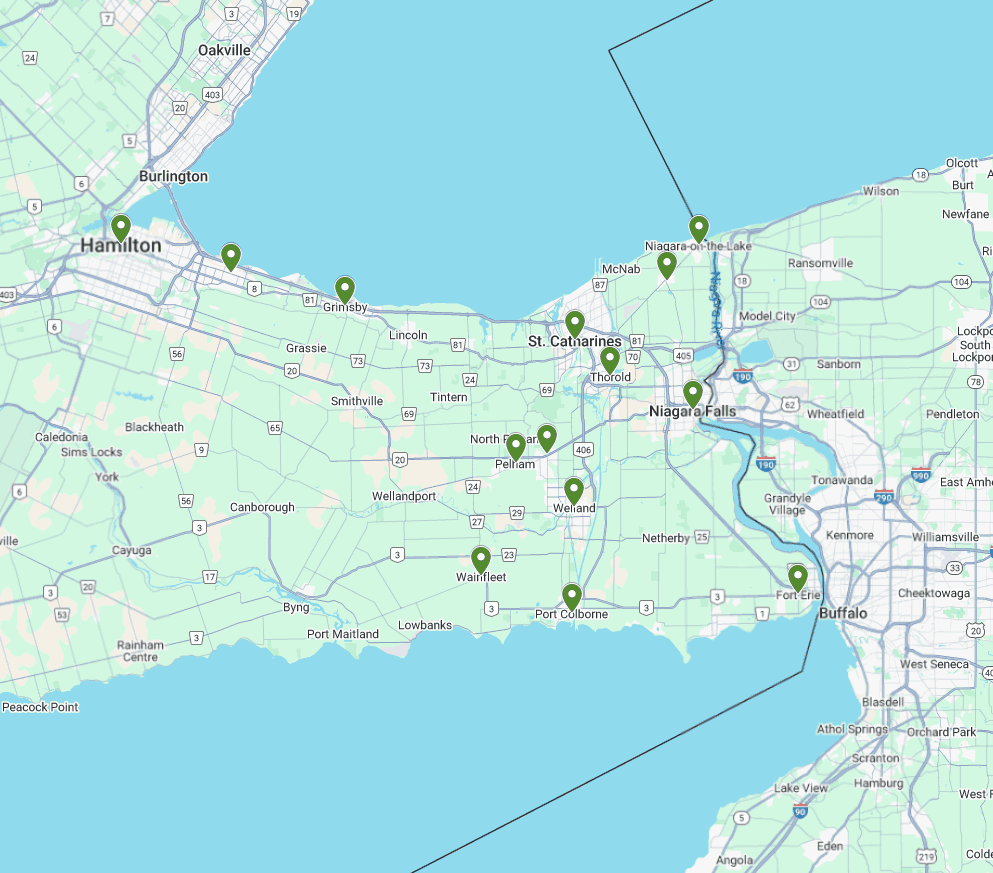
Service Areas
Our service areas encompass a wide range of locations, ensuring that we can meet the needs of our clients wherever they are. From bustling urban centers to serene rural landscapes, we are committed to providing top-notch services tailored to each unique environment.