



Niagara Falls boiler replacement services provide a professional assessment, precise load sizing, and safe installation of high-efficiency boilers tailored to local winters. The page outlines common replacement signs, service scopes, fuel options, and system upgrades, plus permits, safety checks, and financing. It also covers removal of old equipment, post-installation testing, warranty considerations, and maintenance plans to protect your investment. Emphasizing reliability and energy savings, it explains timelines, compliance, and how to choose a trusted local installer.
.jpeg)
Boiler Replacement in Niagara Falls, ON
Replacing an aging or failing boiler is a major decision for Niagara Falls homeowners. With long, cold winters, high humidity in transitional seasons, and many older homes built with hydronic heating systems, a properly sized, modern boiler can improve comfort, reduce fuel use, and minimize emergency repairs. This page explains the boiler replacement process from initial assessment and load sizing to equipment selection, removal, installation, permitting, financing options, expected energy savings, and post-installation testing and warranties — all with the local needs of Niagara Falls, ON in mind.
Common boiler replacement issues in Niagara Falls homes
Recognizing when a replacement is the right choice helps avoid costly downtime during the cold months. Common signs your Niagara Falls home may need a boiler replacement:
- Frequent breakdowns or rising repair frequency and costs
- Uneven heat between rooms or slow heat recovery after setbacks
- Persistent rust, leaking, or corrosion on the heat exchanger or piping
- Yellow or irregular pilot/flame color (combustion issues)
- Old equipment with low efficiency ratings (older non-condensing units)
- Rising fuel bills despite regular maintenance
- Safety concerns like repeated carbon monoxide trips or safety lockouts
Types of replacement services and common scopes
Boiler replacement work varies by home and system. Typical scopes include:
- Exact-for-exact replacement: same fuel and capacity swap for an updated unit
- System upgrade: moving to a high-efficiency condensing boiler or modulating-condensing unit
- Fuel conversion: changing from oil to natural gas or propane, when local supply allows
- Combi boiler installation: combining space heating and domestic hot water in one unit for smaller homes
- Retrofit with zoning and controls: adding thermostatic zones, outdoor reset controls, or smart thermostats to improve efficiency and comfort
Assessment and load sizing
A correct replacement starts with a professional assessment and a heat loss calculation for your home — this determines the boiler size, not the old unit’s label alone. Technicians will:
- Perform a heat loss calculation considering insulation, windows, and local climate factors like cold snaps typical to Niagara Falls
- Inspect distribution systems (radiators, baseboards, in-floor piping) and assess pump sizing and piping condition
- Check the combustion air, venting, and available fuel supply (gas line capacity or oil tank condition)
- Recommend whether ancillary upgrades are required (pumps, mixing valves, expansion tanks)
Equipment selection: efficiency, fuel types, and brands
Equipment choice balances performance, longevity, and cost of operation. Key selection factors:
- Efficiency rating (AFUE): modern condensing boilers capture more heat from combustion and offer higher AFUE than older non-condensing models
- Fuel type: natural gas is common where available; propane, oil, and electric options remain depending on property infrastructure
- Technology: modulating burners and condensing heat exchangers provide better comfort control and fuel savings in variable-load Niagara homes
- Brands: reputable manufacturers offer a range of residential boiler options; choose models with strong local service support and manufacturer warranties
Removal of the old unit and site preparation
Safe removal is critical and may involve:
- Draining, flushing, and isolating the system to reduce dust and fluid spills
- Disconnecting fuel, electrical, and venting components per code
- Safely handling older materials; checking for degraded flue components or contaminants that require special disposal
- Preparing the mechanical area with proper clearances, platforming, and condensate drainage for condensing boilers
Professional installation steps and typical timeline
A professional installation follows a standard workflow to ensure safety and performance:
- Finalize equipment and materials after assessment
- Remove and dispose of the old boiler and prepare the area
- Install the new boiler, mounts, flue/venting, condensate drain, and required piping modifications
- Connect fuel, electrical, controls, and safety devices
- Fill, purge air, and pressure-test the hydronic system
- Commission controls, perform combustion analysis (for fossil fuel units), and balance zones
Typical projects for straightforward residential swaps often complete within one to three days; more complex conversions or system upgrades can take longer depending on piping, venting, and site constraints.
Permits, code compliance, and safety
Replacement work must comply with provincial and local codes. Expect:
- Required permits for fuel-burning appliance replacement and possible electrical permits for control or wiring changes
- Inspections and sign-offs by local authorities for gas or oil installations
- Combustion testing and carbon monoxide verification to confirm safe operation
- Proper venting, combustion air provision, and adherence to appliance clearances per the Ontario Building Code and gas standards
Cost drivers and financing options
While project costs vary by system complexity, several factors influence overall investment:
- System type (condensing vs non-condensing), fuel conversion, and accessory components (zoning, pumps, water treatment)
- Extent of piping modifications, venting upgrades, and removal of the old unit
- Accessibility and location of the boiler room
Financing options commonly available include equipment financing plans, energy-efficiency loans, and provincial or federal incentive programs for high-efficiency upgrades. Homeowners should review available incentives for boiler replacements and discuss installment or loan options with their provider and lending partners.
Expected energy savings and long-term value
A new high-efficiency boiler typically reduces fuel consumption and stabilizes heating costs compared to older units. Improvements depend on existing equipment, system controls, and home airtightness — savings commonly range from modest to substantial when moving from an aging non-condensing boiler to a modern modulating-condensing model. Beyond energy savings, a new boiler improves reliability, reduces maintenance interruptions, and enhances home comfort during Niagara’s cold months.
Post-installation testing, documentation, and warranties
Professional installations include comprehensive testing and paperwork:
- System pressure tests, combustion efficiency analysis, CO checks, and thermostat calibration
- Documentation of work performed, model and serial numbers, and maintenance requirements
- Manufacturer warranties on parts and heat exchangers plus installer labor warranties; owners should register the equipment with the manufacturer to secure full warranty benefits
Maintenance and preserving your investment
Annual preventive maintenance keeps a new boiler operating at peak efficiency and extends its service life. Recommended practices:
- Annual combustion and tune-up service before the heating season
- Periodic water quality checks and system flushing as needed
- Prompt attention to any unusual noises, odors, or operating irregularities
- Consider a service agreement to ensure scheduled inspections and priority service
Replacing a boiler in Niagara Falls, ON is an opportunity to improve comfort, reduce operating costs, and increase system reliability — especially important in a region with demanding winter conditions and many older hydronic systems. A professional assessment and correctly executed installation ensure the new boiler delivers safe, efficient heating for years to come.

Customer Testimonials

Lifesavers!! The AC in our house decided to quit the day we were passing the keys to the new owners!! Instead of making a service call to the house, John coached me through the minor repair over the phone, saving me the money and time waiting for a repair person to come.Much appreciated! Thanks again John

I had an issue with my hot water tank and called Niagara Home Heating. Their service was fantastic and reasonably priced—exactly how a business should be run!
I called John today at 2:pm as my AC was not working and I wasn’t expecting even a call back as I knew with this hot weather we have had he would be swamped with calls. Well he called me back and showed at 8:pm on the same day to fix my AC. That is just incredible service and how much John really cares about his clients. Thank you John !
We had an amazing experience getting our new furnace installed with Niagara Home Heating. The owner was very helpful, their quote was more then competitive and the technician who installed the unit was professional and friendly. I would recommend their services.
Very efficient company. I needed an old solar water heater removed from my roof. They were quick to book an appointment for the next day after I sent photos. They were very knowledgeable of the issue. The 2 guys that came were friendly and competent with the job, including removal of all parts.
I have used Niagara Home heating for multiple projects for over 16 years. John and his staff are absolutely the best. I tell all my friends and family about Niagara Home Heating because you won’t get any better service or pricing anywhere in Niagara. He has saved me thousands and thousands of dollars and has never let me down.

Service Areas
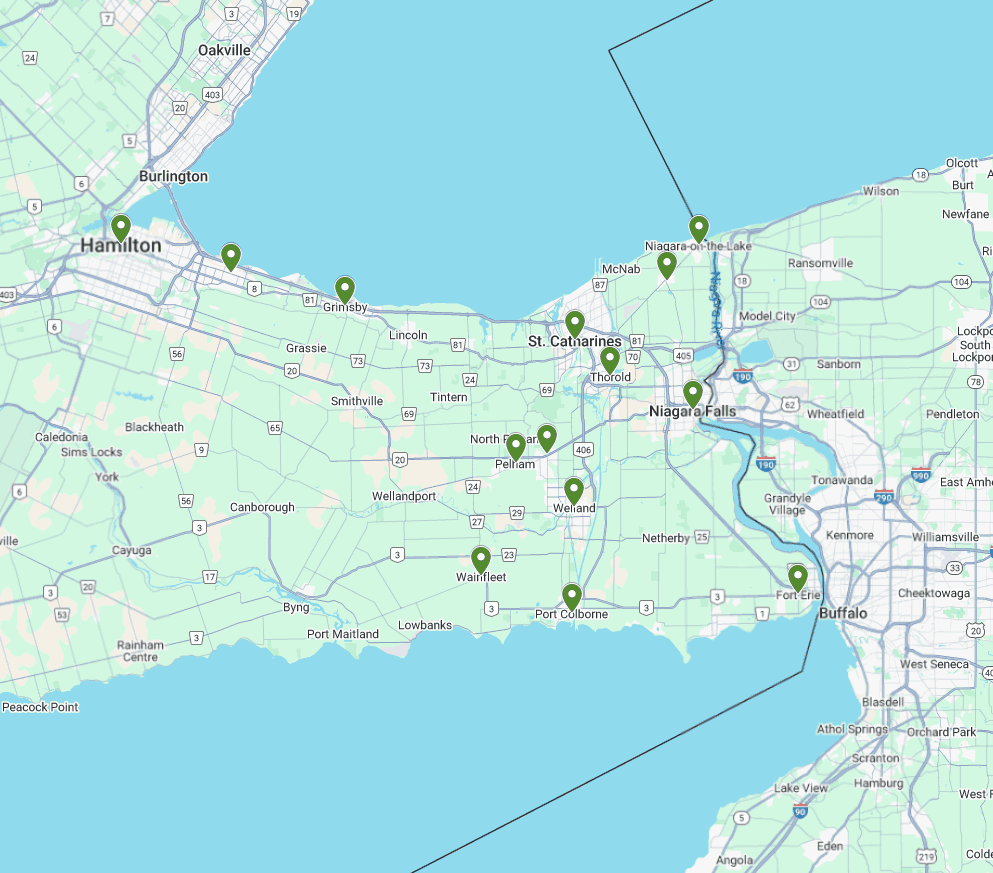
Our service areas encompass a wide range of locations, ensuring that we can meet the needs of our clients wherever they are. From bustling urban centers to serene rural landscapes, we are committed to providing top-notch services tailored to each unique environment.