



Boiler service in Niagara Falls, ON provides a comprehensive program from proactive inspection and tune-ups to diagnostics, repairs, and emergency response. The service focuses on safety, efficiency, and reliability through seasonal maintenance, water chemistry checks, and component testing, with clear estimates and transparent warranties. Technicians prioritize root-cause analysis, accurate heat-loss sizing, and modern upgrades while minimizing downtime and disruption. Homeowners gain peace of mind, extended equipment life, and better fuel efficiency during cold Ontario winters.
.jpeg)
Boiler Service in Niagara Falls, ON
An efficient, safe boiler is essential for Niagara Falls homes, where cold, wet winters and lake-effect weather place heavy demand on heating systems. Our comprehensive boiler service in Niagara Falls, ON covers inspections, preventative maintenance, diagnostics, repairs, emergency response, and replacement consultations so your home stays warm, efficient, and safe throughout the heating season. Below is a clear breakdown of what a full-service boiler program includes, common local problems, and what to expect during service.
Why proactive boiler service matters in Niagara Falls
Niagara’s climate—cold temperatures, high humidity, and freeze-thaw cycles—accelerates wear on boilers and hydronic systems. Regular servicing:
- Extends equipment life and reduces unexpected failures
- Keeps combustion efficient to lower fuel bills
- Protects against carbon monoxide risks and water damage
- Preserves performance for radiators, in-floor heating, and hot water delivery
Common boiler issues in Niagara Falls homes
Homeowners in the region frequently face the following problems:
- Pressure loss or frequent cycling caused by leaks or faulty expansion tanks
- Cold spots in radiators from trapped air or sludge build-up
- Kettling or banging noises from scale and sediment on heat exchangers
- Failed ignition or pilot systems on older gas boilers
- Corroded or leaking valves and fittings due to humidity and age
- Frozen or clogged condensate lines on high-efficiency condensing boilers in cold snaps
- Circulator pump failures leading to poor heat distribution
- Flue or venting issues that compromise safe combustion
Understanding these common local failure modes helps prioritize inspection points that matter most during a service visit.
Types of boiler services we perform
- Comprehensive inspection and tune-up: full system check, cleaning, combustion analysis where applicable, safety control testing, and filter/strainer cleaning.
- Preventative maintenance: seasonal checks, system flushing recommendations, water chemistry and inhibitor inspection, and lubricating moving parts.
- Diagnostics and troubleshooting: root-cause analysis for pressure problems, noise, uneven heat, or intermittent operation using measurement tools and system history.
- Repairs and part replacement: valves, pumps, thermostats, pressure controls, heat exchangers, and ignition components.
- Emergency response: priority diagnostics and temporary fixes to restore heat and safety, including isolation of problem components until permanent repair or replacement can be arranged.
- Replacement consultations: heat-loss calculations, energy-efficiency comparisons (condensing vs. non-condensing), sizing recommendations, and discussion of venting, zoning, and control upgrades.
What to expect during an inspection or maintenance visit
Technicians follow a consistent, safety-first protocol:
- Visual inspection of boiler, piping, vents, and combustion area
- Measurement of pressure, temperature, and combustion gases (if applicable)
- Check of safety devices (pressure relief valve, low-water cutoffs, CO sensors)
- Clean burners, ignition components, and accessible heat-exchange surfaces
- Test circulator pumps, expansion tanks, and zone controls
- Bleed radiators and balance zones as needed
- Documentation of findings, recommended repairs, and expected costs
Technicians provide a clear, written service summary showing what was inspected, what was corrected, and any follow-up recommendations, including warranty coverage for parts and labor.
Diagnostics and repair approach
Repairs begin with thorough diagnostics to identify root causes rather than temporary fixes. Typical diagnostic steps:
- System pressure and leak detection
- Thermal imaging or flow checks for circulation problems
- Chemical testing for water quality and corrosion risk
- Electrical testing of controls, transformers, and motors
- Combustion testing on gas boilers to ensure efficient and safe burn
Repairs are performed with replacement parts that meet or exceed original equipment specifications. When repairs are completed, the system is retested under normal operating conditions and documented.
Replacement consultations: when repair isn’t the best choice
There are times when replacing the boiler is the most cost-effective long-term decision:
- Repeated major failures or frequent breakdowns
- Declining efficiency and rising fuel costs
- Safety systems are obsolete or non-compliant with current standards
- Repair costs approach the value of a modern, high-efficiency system
Replacement consultations include:
- Accurate heating load calculations for correct sizing
- Comparison of boiler technologies and efficiencies
- Discussion of zoning, smart controls, and system layout improvements
- Overview of expected savings, payback, and warranty terms
- Financing options and available warranty structures explained clearly
Warranties, financing, and transparency
Service protocols emphasize clear communication and transparent paperwork. Common offerings include:
- Manufacturer and aftermarket parts warranties
- Labor warranties for repairs performed
- Options for extended coverage on new equipment
- Financing or payment plans to spread replacement costs over time
Service estimates detail parts, labor, and warranty terms so homeowners can compare options and make informed decisions.
Emergency service and scheduling expectations
Emergency boiler failures are treated with priority. Typical emergency service protocols include:
- Rapid dispatch for safety-critical issues such as a suspected carbon monoxide event or total loss of heat in severe cold
- Temporary stabilization to restore heating while arranging permanent repairs
- Clear documentation of emergency actions and next-step recommendations
When arranging routine service, homeowners should have system model information and recent service history available; this speeds diagnosis and ensures technicians bring the correct replacement parts when possible.
Maintenance tips to get the most from your boiler
- Have the system inspected before the heating season begins
- Keep the boiler room clear and well-ventilated
- Check pressure and temperature gauges monthly and note unusual readings
- Bleed radiators at the start of the season to remove trapped air
- Follow manufacturer recommendations for water treatment and inhibitor use
Regular, documented maintenance reduces the risk of mid-winter failures and helps maximize efficiency and equipment life.
ConclusionBoiler service in Niagara Falls, ON focuses on safety, reliability, and efficiency tailored to the region’s climate and housing stock. A complete program—inspection, preventative maintenance, diagnostic repair, emergency response, and informed replacement consultation—keeps your home comfortable through harsh winters while protecting your investment and household safety.

Customer Testimonials

Lifesavers!! The AC in our house decided to quit the day we were passing the keys to the new owners!! Instead of making a service call to the house, John coached me through the minor repair over the phone, saving me the money and time waiting for a repair person to come.Much appreciated! Thanks again John

I called John today at 2:pm as my AC was not working and I wasn’t expecting even a call back as I knew with this hot weather we have had he would be swamped with calls. Well he called me back and showed at 8:pm on the same day to fix my AC. That is just incredible service and how much John really cares about his clients. Thank you John !
We had an amazing experience getting our new furnace installed with Niagara Home Heating. The owner was very helpful, their quote was more then competitive and the technician who installed the unit was professional and friendly. I would recommend their services.
I had an issue with my hot water tank and called Niagara Home Heating. Their service was fantastic and reasonably priced—exactly how a business should be run!
I have used Niagara Home heating for multiple projects for over 16 years. John and his staff are absolutely the best. I tell all my friends and family about Niagara Home Heating because you won’t get any better service or pricing anywhere in Niagara. He has saved me thousands and thousands of dollars and has never let me down.
Very efficient company. I needed an old solar water heater removed from my roof. They were quick to book an appointment for the next day after I sent photos. They were very knowledgeable of the issue. The 2 guys that came were friendly and competent with the job, including removal of all parts.

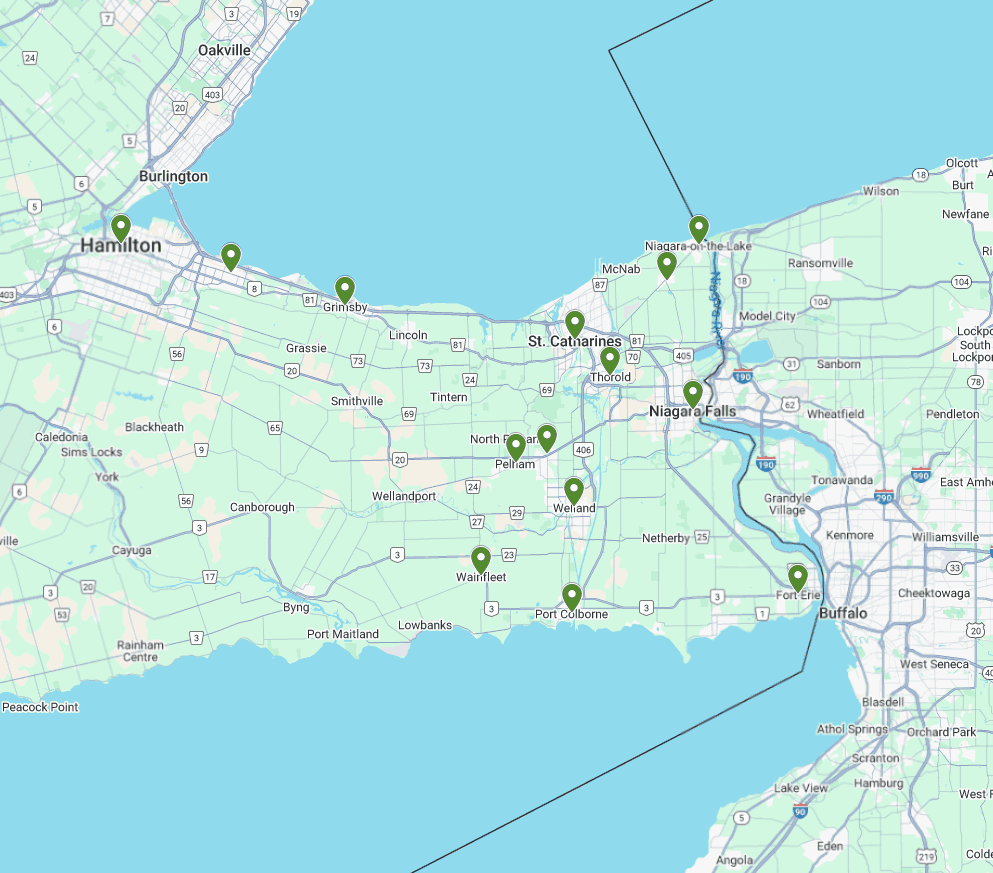
Service Areas
Our service areas encompass a wide range of locations, ensuring that we can meet the needs of our clients wherever they are. From bustling urban centers to serene rural landscapes, we are committed to providing top-notch services tailored to each unique environment.