



This service page outlines a comprehensive boiler installation process for Niagara-on-the-Lake properties, from initial consultation and heat-load sizing to system design, permitting, and handover. It covers suitable boiler types for NOTL homes and businesses, site preparation, venting, and local code requirements, along with a realistic installation timeline. The guide emphasizes professional accuracy, testing, and commissioning, plus warranties and long-term performance tips such as maintenance, zoning, and smart controls to maximize efficiency and reliability in heritage and commercial settings.
.jpeg)
Boiler Installation in Niagara On The Lake, ON
A properly specified and installed boiler is essential for reliable, efficient heating in Niagara On The Lake homes and businesses. With cold, damp winters and many older heritage homes and wineries that rely on hydronic systems, choosing the right boiler and having it installed correctly protects comfort, preserves building fabric, and reduces seasonal energy costs. This page explains the boiler installation process from consultation to handover, common system choices for NOTL properties, local considerations, code and permit expectations, and tips to maximize long-term performance.
Why professional boiler installation matters in Niagara On The Lake
- Niagara On The Lake experiences prolonged cold snaps and high humidity that can stress undersized or poorly installed systems.
- Older houses often have unique piping layouts, radiators, or baseboard systems that require careful sizing and adaptation.
- Commercial properties such as wineries and bed-and-breakfasts may need reliable, redundant heating with precise temperature control to protect operations and guests.
Correct installation reduces the risk of breakdowns, improves fuel efficiency, and helps ensure compliance with Ontario codes and local permits.
Common boiler types and which suit NOTL properties
- Condensing boilers: High-efficiency gas or oil-fired units ideal for both older homes (when paired with system modifications) and new construction. Best where return-water temperatures are low enough to allow condensing operation.
- Combi (combination) boilers: Compact units that provide space heating and on-demand domestic hot water without a separate tank. Suitable for smaller homes or where space is limited.
- Conventional (non-condensing) boilers: Often used in retrofit scenarios where compatibility with existing high-temperature radiators or where venting constraints exist. May be selected when immediate budget constraints or existing system limitations apply.
Choosing between these depends on existing distribution temperatures, hot water needs, available space, and long-term operating cost goals.
Consultation, system selection, and design considerations
- On-site assessment: A thorough survey evaluates building envelope, insulation levels, current piping and radiators/baseboards, hot water demand, and any special commercial requirements (e.g., process heating for wineries).
- Heat load calculation (Manual J/appropriate local standard): Accurate sizing prevents short cycling and inefficiency. For NOTL properties, account for older single-pane windows, stone foundations, and potential drafts.
- Distribution compatibility: Determine whether existing radiators or baseboards can operate at lower temperatures required by condensing boilers or if modifications (larger radiators, increased flow) are needed.
- Fuel type and infrastructure: Confirm natural gas availability, propane tanks, or oil lines, and plan venting and combustion air accordingly.
- Zoning and controls: Design multi-zone systems or smart controls to optimize comfort and reduce fuel use in seldom-used rooms and seasonal properties.
Site preparation and venting requirements
- Location planning: Boiler placement must allow access for service, adequate combustion air, and safe clearances. In compact heritage homes, a utility closet or basement alcove may require custom vent routing.
- Venting: Condensing boilers often use PVC or stainless-steel coaxial vents and require proper condensate disposal. Non-condensing units need appropriate chimney liners or direct-vent setups to meet code.
- Combustion air and intake: Ensure intake air is sourced safely and per code—especially for sealed basements or tightly insulated homes in NOTL.
- Piping and insulation: New installations should use corrosion-resistant materials, include proper expansion tanks, backflow prevention where required, and foam insulation on exposed domestic hot water lines to minimize heat loss.
Typical installation timeline
- Consultation and design: 1–2 site visits for assessment and measurements.
- Permit and scheduling: 1–3 weeks depending on local municipal processing and complexity.
- Equipment delivery and site prep: 1–3 days.
- Installation day(s): Residential installs typically range from 1–3 days; larger or commercial installations can take several days to a week for system modifications, controls, and testing.
- Final inspection and handover: 1 day (coordinated with inspector as required).
Timelines vary with permit turnaround, any required structural modifications, flue/chimney work, and whether radiators or distribution upgrades are needed.
Code compliance, permits and inspections
- Permits: Boiler installations in Ontario require mechanical permits and must comply with the Ontario Building Code and local NOTL bylaws. Fuel-burning appliances also require gas permits and potentially chimney inspections.
- Certified technicians: Work should be completed by certified HVAC technicians who follow CSA and TSSA (Technical Standards and Safety Authority) requirements for fuel systems and installations.
- Documentation: Expect submission-ready drawings for complex installs, manufacturer installation manuals on-site, and completion certificates for inspections.
Testing, commissioning and handover procedures
- Leak and pressure testing: Verify the hydronic loop is sealed and holds design pressure.
- Combustion and safety checks: For gas or oil units, test combustion efficiency, CO levels, safety shutoffs, and flue operation.
- Control programming: Set up thermostats, zone valves, and any outdoor reset controls for optimized efficiency.
- System balancing: Ensure even heat distribution across zones and confirm correct pump speeds and flow rates.
- Handover: Deliver user-friendly documentation covering routine maintenance, filter/chimney care, warranty registration, and emergency shutdown procedures.
Warranties and what to expect
- Manufacturer warranties: New boilers typically carry parts warranties (often 5–10 years for condensing units; varies by brand). Heat exchangers may have longer coverage on premium models.
- Workmanship warranties: Professional installers commonly provide a labor warranty covering installation-related defects for a set period.
- Registration: Warranties often require timely registration and proof of annual service—important to maintain coverage.
Optimizing long-term performance in Niagara On The Lake
- Annual maintenance: Schedule a yearly tune-up before winter to clean burners, test safety controls, and verify combustion — especially important in humid NOTL winters.
- Outdoor reset and smart controls: These reduce fuel use by matching boiler output to outdoor conditions and building load.
- Insulate distribution piping and tanks: Minimizes standby losses, especially in older basements and crawlspaces.
- Address air in system: Bleed radiators and flush low spots that can cause noise and uneven heating.
- Consider system upgrades: Converting to a condensing boiler, adding zoning, or installing smart thermostats often pays back through lower energy bills in 3–7 years depending on fuel savings.
Final benefits and practical considerations
A professionally installed boiler tailored to Niagara On The Lake’s climate and building stock delivers reliable warmth, better humidity control, lower energy use, and longer equipment life. Proper design and permitting avoid costly rework, and routine maintenance preserves warranty coverage and peak performance. For heritage homes, holiday properties, and commercial operations alike, investing in the right boiler and installation approach pays dividends in comfort, safety, and operational resilience over time.

Customer Testimonials

We had an amazing experience getting our new furnace installed with Niagara Home Heating. The owner was very helpful, their quote was more then competitive and the technician who installed the unit was professional and friendly. I would recommend their services.

I have used Niagara Home heating for multiple projects for over 16 years. John and his staff are absolutely the best. I tell all my friends and family about Niagara Home Heating because you won’t get any better service or pricing anywhere in Niagara. He has saved me thousands and thousands of dollars and has never let me down.
Lifesavers!! The AC in our house decided to quit the day we were passing the keys to the new owners!! Instead of making a service call to the house, John coached me through the minor repair over the phone, saving me the money and time waiting for a repair person to come.Much appreciated! Thanks again John
I had an issue with my hot water tank and called Niagara Home Heating. Their service was fantastic and reasonably priced—exactly how a business should be run!
I called John today at 2:pm as my AC was not working and I wasn’t expecting even a call back as I knew with this hot weather we have had he would be swamped with calls. Well he called me back and showed at 8:pm on the same day to fix my AC. That is just incredible service and how much John really cares about his clients. Thank you John !
Very efficient company. I needed an old solar water heater removed from my roof. They were quick to book an appointment for the next day after I sent photos. They were very knowledgeable of the issue. The 2 guys that came were friendly and competent with the job, including removal of all parts.

Service Areas
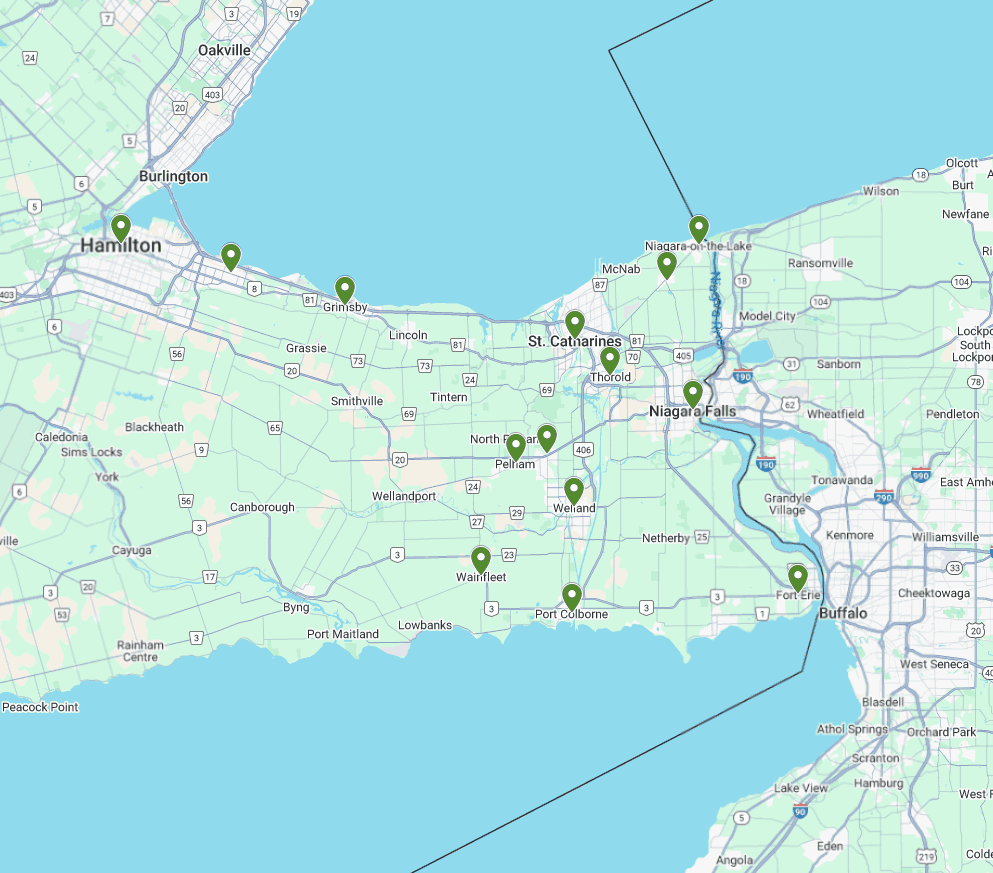
Our service areas encompass a wide range of locations, ensuring that we can meet the needs of our clients wherever they are. From bustling urban centers to serene rural landscapes, we are committed to providing top-notch services tailored to each unique environment.