



A comprehensive boiler tune-up for homes in Niagara On The Lake, explaining how annual service preserves warmth, safety, and efficiency in cold winters. It covers why preventive maintenance matters for older boilers and hard-water systems, lists common NOTL boiler issues, and details the standard tune-up checklist, diagnostic methods, and typical repairs performed after inspection. It also highlights safety benefits, cost savings, and practical maintenance tips to help homeowners plan timely, professional service.
-min.jpeg)
Boiler Tune Up in Niagara On The Lake, ON
A properly tuned boiler keeps your Niagara On The Lake home warm, safe, and energy-efficient through cold lake-effect winters. Annual boiler tune ups reduce the risk of midseason breakdowns—especially important in this region where older stone homes and legacy hydronic systems are common—and help protect against problems caused by local water hardness and fluctuating winter temperatures.
Why a yearly boiler tune up matters in Niagara On The Lake
- Niagara On The Lake experiences cold winters and variable humidity that put extra stress on boilers and radiators.
- Many homes in the area have older boilers or hydronic systems with aged piping, increasing the need for preventive maintenance.
- Hard water in the Niagara region contributes to scale and corrosion in boilers and heating circuits, reducing efficiency and raising the risk of component failure.
- An annual tune up helps maintain combustion efficiency, prevent carbon monoxide risks, and keep heating costs under control.
Common boiler problems in NOTL homes
- Sooted or dirty burners causing poor combustion and yellow flames
- Low system pressure or persistent leaks in radiators, valves, or piping
- Uneven heating between rooms due to trapped air or failing zone valves
- Corrosion and scale buildup from hard water, reducing heat transfer and efficiency
- Faulty safety controls, relief valves, or pressure sensors
- Strange noises (kettling, banging) caused by scale, trapped air, or failing pumps
- Carbon monoxide risks from incomplete combustion or blocked flues
Standard boiler tune up checklist
A professional tune up follows a systematic checklist to ensure safety and peak performance. Typical tasks include:
- Inspecting combustion chamber, burners, and flue for soot, blockages, or corrosion
- Cleaning burners, pilot assemblies, and flues to restore correct airflow
- Checking and adjusting fuel/air ratios to optimize combustion efficiency
- Testing combustion efficiency with a combustion analyzer (CO, CO2, O2, and flue temperature)
- Inspecting safety controls, high-limit switches, and relief valves for proper operation
- Verifying system pressure and topping up or bleeding as needed
- Examining and replacing filters, sensors, and seals when worn or out of spec
- Lubricating pumps and motors and checking electrical connections
- Inspecting heat exchanger and piping for leaks, corrosion, or scale
- Testing thermostat and control settings for correct sequencing and zone operation
- Advising on water quality and recommending system flushing or treatment if scale is present
What to expect during the service
- Typical tune up duration: most residential boiler tune ups are completed within a few hours, depending on system type and condition. Systems with extensive scale, multiple zones, or older components may require additional time for a full diagnostic and corrective work.
- Inspection and testing: technicians will run the boiler, observe combustion, measure flue gases, check pressures and temperatures, and document readings.
- Minor adjustments and parts replacement: the tune up includes adjustments (fuel/air, pressure) and basic parts replacement such as filters, gaskets, or sensors when necessary. Major repairs or replacement of components are identified and quoted separately.
- A clear report: you should receive a summary of findings, test results, and recommended follow-up actions for aging components or water quality issues that could affect long-term performance.
Diagnostic methods used
Technicians use a combination of straightforward tests and tools to diagnose issues:
- Visual inspection of burners, flue, heat exchanger, and controls
- Combustion analysis to measure efficiency and detect incomplete combustion
- Pressure testing and leak detection to identify system losses
- Thermographic checks to spot cold spots or flow restrictions in radiators and piping
- Water sampling or inspection for scale and corrosion indicatorsThese diagnostics allow technicians to recommend targeted repairs rather than unnecessary replacements.
Repairs and solutions commonly performed after a tune up
When a tune up reveals problems, common solutions include:
- Professional flue and burner cleaning to restore safe combustion
- Adjusting or replacing nozzles, electrodes, or sensors to stabilize ignition and flame quality
- Replacing worn seals, gaskets, and filters to stop leaks and maintain correct pressure
- Flushing the boiler loop or power-flushing radiators to remove scale and sludge that impair heat transfer
- Installing or recommending chemical treatment or water softening where hard water is accelerating scale
- Repairing or replacing faulty relief valves, pressure switches, or pumps to restore reliable operationThese interventions extend boiler life and restore efficiency without unnecessary full-system replacement in many cases.
Safety and performance benefits of annual tune ups
- Improved combustion efficiency lowers fuel use and heating bills
- Reduced risk of carbon monoxide exposure due to proper burner adjustment and flue clearance
- Fewer unexpected breakdowns during the coldest months
- Extended equipment life by preventing accelerated wear from scale and corrosion
- Compliance with some manufacturer warranties that require annual maintenance
- Better comfort with consistent room temperatures and faster heat recovery
Maintenance tips for Niagara On The Lake homeowners
- Schedule tune ups annually before the heating season to catch issues early
- Install and maintain CO detectors near sleeping areas and boiler rooms
- Bleed radiators and purge air from the system after initial startup
- Monitor system pressure and report persistent drops or leaks
- Consider water treatment if scale or recurring pump failure is observed
- Keep boiler room clear and ensure flue and vents remain unobstructed
An annual professional boiler tune up tailored to Niagara On The Lake conditions preserves efficiency, enhances safety, and reduces the chance of costly midwinter repairs. The inspection and diagnostic steps described here are standard practice for reliable long-term performance of residential boilers in the Niagara region.

Customer Testimonials

I called John today at 2:pm as my AC was not working and I wasn’t expecting even a call back as I knew with this hot weather we have had he would be swamped with calls. Well he called me back and showed at 8:pm on the same day to fix my AC. That is just incredible service and how much John really cares about his clients. Thank you John !

Very efficient company. I needed an old solar water heater removed from my roof. They were quick to book an appointment for the next day after I sent photos. They were very knowledgeable of the issue. The 2 guys that came were friendly and competent with the job, including removal of all parts.
Lifesavers!! The AC in our house decided to quit the day we were passing the keys to the new owners!! Instead of making a service call to the house, John coached me through the minor repair over the phone, saving me the money and time waiting for a repair person to come.Much appreciated! Thanks again John
I had an issue with my hot water tank and called Niagara Home Heating. Their service was fantastic and reasonably priced—exactly how a business should be run!
We had an amazing experience getting our new furnace installed with Niagara Home Heating. The owner was very helpful, their quote was more then competitive and the technician who installed the unit was professional and friendly. I would recommend their services.
I have used Niagara Home heating for multiple projects for over 16 years. John and his staff are absolutely the best. I tell all my friends and family about Niagara Home Heating because you won’t get any better service or pricing anywhere in Niagara. He has saved me thousands and thousands of dollars and has never let me down.

Service Areas
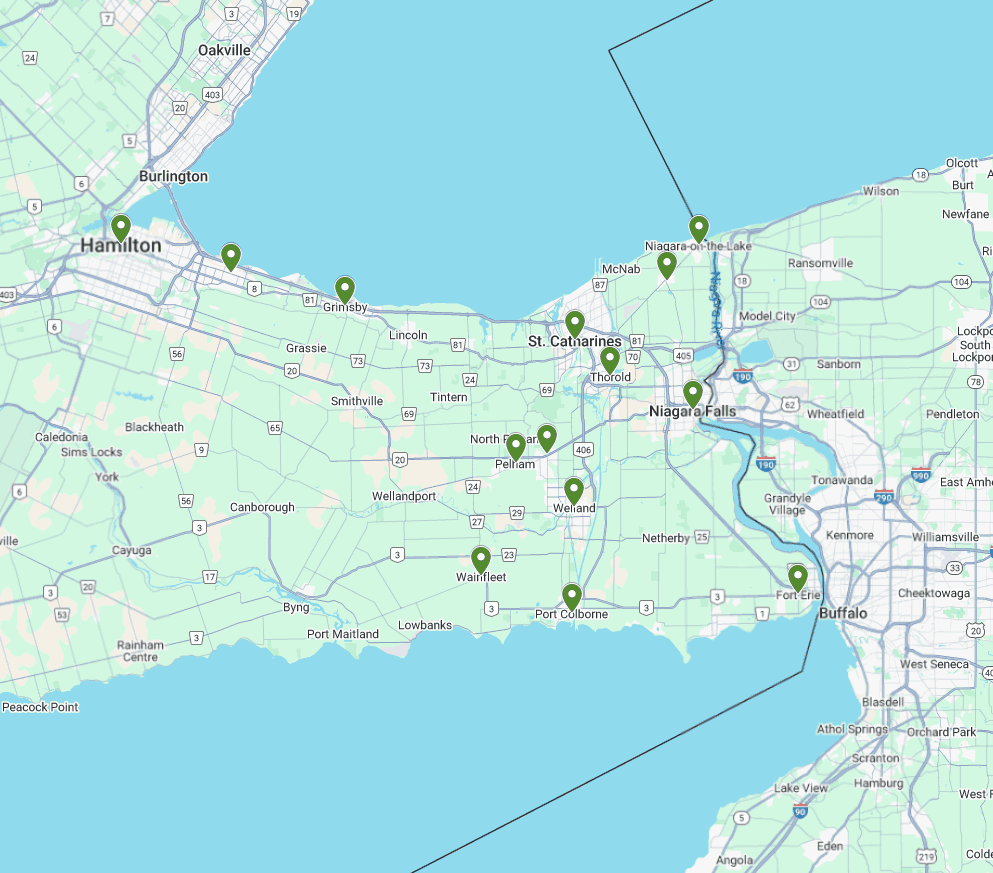
Our service areas encompass a wide range of locations, ensuring that we can meet the needs of our clients wherever they are. From bustling urban centers to serene rural landscapes, we are committed to providing top-notch services tailored to each unique environment.