



This page outlines professional boiler repair services for Niagara On The Lake, ON, detailing common faults, a thorough diagnostic process, and typical parts replaced. Readers will learn how a licensed technician assesses safety, performance, and efficiency, compares repair options with replacement, and provides transparent estimates. The guide covers emergency availability, warranty considerations, post-repair testing, and maintenance benefits to extend boiler life and prevent future breakdowns in heritage homes with older systems. It emphasizes local suitability and long-term cost savings.
.jpeg)
Boiler Repair in Niagara On The Lake, ON
A reliable boiler is essential in Niagara On The Lake homes, where cold winters and older, heritage properties are common. When a boiler fails you face chilly rooms, interrupted hot water, higher energy bills, and potential safety hazards. This page explains how professional boiler repair in Niagara On The Lake, ON diagnoses faults, what repairs typically involve, and how to decide between repair and replacement so you can make an informed, confidence-based decision.
Common boiler problems in Niagara On The Lake
Homeowners in this area report a consistent set of issues influenced by local weather and building types. Typical problems include:
- Pilot light and ignition failures - standing pilot outages, intermittent ignition, or faulty electronic igniters.
- Leaks and corrosion - pinhole leaks in older boilers, corroded piping, or failing seals in cast iron sections.
- Pressure problems - low or high system pressure, frequent pressure loss, or pressure relief valve discharge.
- Circulator and pump failures - cold radiators on one or more zones, noisy pumps, or no circulation.
- Thermostat and control issues - inconsistent temperature control, communication errors with modern control boards.
- Heat exchanger cracks or blockages - older units may develop cracks causing inefficiency or safety concerns.
- Expansion tank and relief valve failures - waterlogging or failed tanks causing pressure swings.
These issues are more frequent in historic homes with original radiators or in homes that go through seasonal vacancy for tourism rentals.
Step-by-step diagnostic process
A thorough diagnostic protects safety and prevents unnecessary repairs. A standard professional workflow includes:
- Safety checks - verify carbon monoxide detectors, check for gas leaks, and ensure power is isolated when needed. If CO alarm is triggered, evacuate and notify emergency services.
- Visual inspection - look for leaks, corrosion, soot, water stains, and proper venting.
- System startup and observation - run the boiler through a full cycle to observe ignition, burner operation, pilot stability, and circulation.
- Pressure and temperature checks - measure system pressure, expansion tank condition, and boiler temperature differentials.
- Combustion and venting evaluation - assess combustion efficiency where applicable and confirm flue integrity.
- Electrical and control diagnostics - test thermostats, control boards, sensors, and limit switches.
- Isolation testing - isolate zones or components to pinpoint malfunctioning parts.
Technicians document findings and provide a clear written estimate outlining options before any repair work begins.
Typical repairs and parts replaced
Common repairs address the components most likely to fail in Niagara On The Lake homes:
- Replacement of igniters, thermocouples, and pilot assemblies
- Repair or replacement of gas valves and control boards
- Circulator pump replacement or rebuild
- Pressure relief valves, expansion tanks, and pressure sensors
- Zone valves and thermostatic controls
- Repair of minor leaks, gasket replacement, and flange seal repairs
- Flue and vent repair or replacement for blocked or corroded chimneys
More extensive work such as heat exchanger replacement or major piping upgrades is recommended only after careful assessment and transparent cost comparison.
Emergency boiler repair availability
Boiler failures can be urgent in winter. Emergency boiler repair services in Niagara On The Lake typically include rapid response for safety-related issues such as gas leaks, lack of heat in freezing conditions, or carbon monoxide alarms. In an emergency you should shut off the gas supply if safe to do so, cut electrical power to the boiler, ventilate the home, and evacuate if CO is suspected. A qualified technician will prioritize safety, perform immediate stabilizing repairs when possible, and provide a written plan for permanent fixes.
Transparent pricing and estimates
Upfront, transparent pricing is important for decision making. Expect a written estimate that includes:
- Clear breakdown of parts and labor
- Assessment of repair lifespan and reliability
- Any applicable warranties on parts and labor
- Comparison of repair versus replacement costs where relevant
Estimates should explain which repairs are essential for safety, which are recommended for efficiency, and which are optional improvements.
Technician qualifications and safety procedures
Boiler work requires licensed and experienced technicians who follow Ontario regulations and industry best practices. Key qualifications and procedures include:
- Certified gas technician credentials and ongoing training
- Experience with both modern and older cast-iron boiler systems common in heritage homes
- Use of calibrated instruments for pressure and combustion testing
- Lockout-tagout and gas isolation procedures for safety
- Carbon monoxide testing before and after repairs
- Respectful, clean work practices to protect older home finishes
Qualified technicians also document all safety checks and test results as part of the service record.
Warranty, post-repair testing, and quality assurance
After repair, technicians perform a full system test that typically includes pressure verification, leak checks, thermostat calibration, and multiple heating cycles to confirm reliable operation. A written warranty on parts and labor provides peace of mind and clarifies any follow-up responsibilities. For major repairs, ask about extended warranties and maintenance plans to protect your investment.
When to repair vs when to replace
Deciding between repair and replacement depends on several factors:
- Age of the boiler - units over 15 years often justify replacement for efficiency gains and long-term reliability.
- Frequency and cost of repairs - multiple recent repairs suggest replacement may be more economical.
- Safety concerns - cracked heat exchangers or repeated gas leaks indicate replacement is the safer option.
- Energy efficiency goals - newer boilers can reduce energy costs and offer better controls.
- Historic home considerations - in heritage properties, repairing original cast-iron systems may preserve character; however, modern upgrades can be designed to respect aesthetics while improving efficiency.
A professional assessment will include a clear comparison of repair costs, expected remaining life, and estimated energy savings from replacement.
Maintenance and long-term benefits
Timely repairs and regular maintenance extend boiler life, improve efficiency, and reduce emergency calls. For Niagara On The Lake homes, annual pre-winter inspections, system flushes, and control calibration help avoid cold-weather failures and keep operating costs down. Properly maintained boilers are safer, quieter, and more energy efficient.
This detailed overview of boiler repair in Niagara On The Lake, ON explains common faults, the diagnostic and repair process, typical parts replaced, safety and qualification standards, warranty and testing practices, and how to weigh repair versus replacement decisions for local homes.

Customer Testimonials

I have used Niagara Home heating for multiple projects for over 16 years. John and his staff are absolutely the best. I tell all my friends and family about Niagara Home Heating because you won’t get any better service or pricing anywhere in Niagara. He has saved me thousands and thousands of dollars and has never let me down.

I called John today at 2:pm as my AC was not working and I wasn’t expecting even a call back as I knew with this hot weather we have had he would be swamped with calls. Well he called me back and showed at 8:pm on the same day to fix my AC. That is just incredible service and how much John really cares about his clients. Thank you John !
Lifesavers!! The AC in our house decided to quit the day we were passing the keys to the new owners!! Instead of making a service call to the house, John coached me through the minor repair over the phone, saving me the money and time waiting for a repair person to come.Much appreciated! Thanks again John
Very efficient company. I needed an old solar water heater removed from my roof. They were quick to book an appointment for the next day after I sent photos. They were very knowledgeable of the issue. The 2 guys that came were friendly and competent with the job, including removal of all parts.
We had an amazing experience getting our new furnace installed with Niagara Home Heating. The owner was very helpful, their quote was more then competitive and the technician who installed the unit was professional and friendly. I would recommend their services.
I had an issue with my hot water tank and called Niagara Home Heating. Their service was fantastic and reasonably priced—exactly how a business should be run!

Service Areas
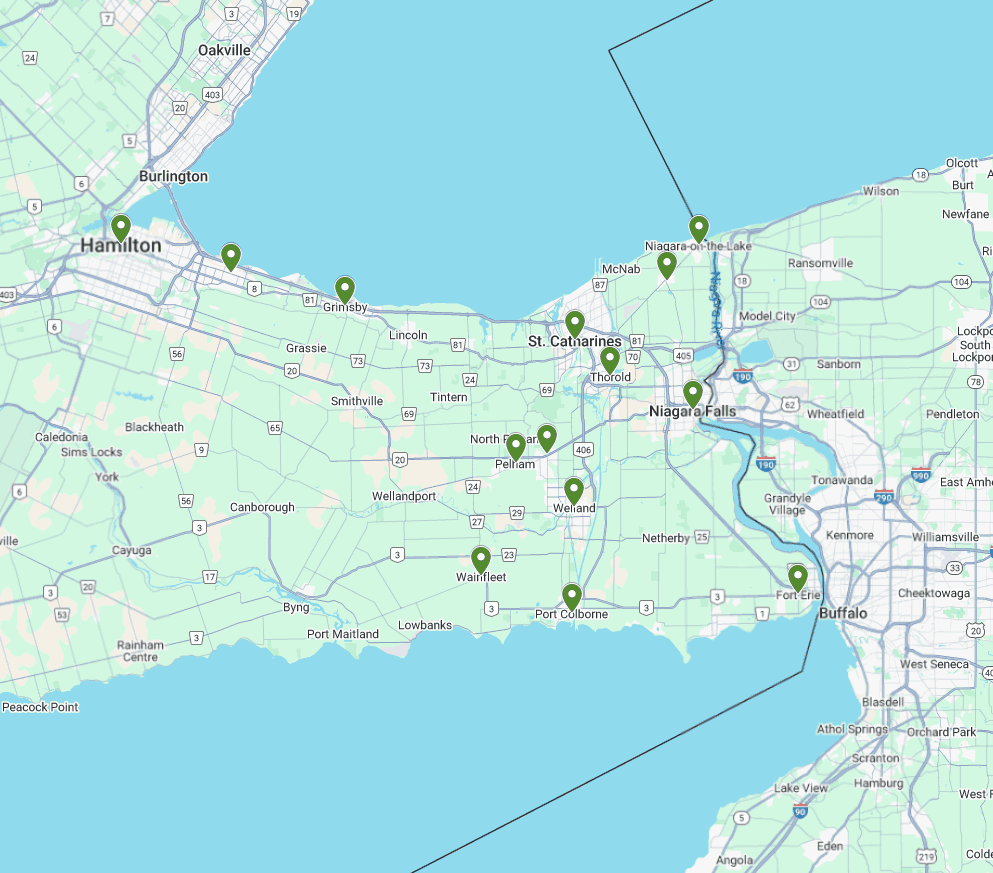
Our service areas encompass a wide range of locations, ensuring that we can meet the needs of our clients wherever they are. From bustling urban centers to serene rural landscapes, we are committed to providing top-notch services tailored to each unique environment.