



Boiler replacement in Niagara On The Lake, ON offers a comprehensive guide to upgrading aging systems, covering why replacements are needed, common signs, accurate load sizing, energy-efficient model options, safe removal and disposal, professional installation steps and permits, expected timelines, warranties, financing, and post-installation maintenance to ensure reliable heat, safety, and long-term energy savings for NOTL homes. It emphasizes sizing accuracy, modern boiler features, and permitting processes to minimize downtime and maximize efficiency for homeowners.
.jpeg)
Boiler Replacement in Niagara On The Lake, ON
Replacing an aging or failing boiler is one of the most impactful home improvements for comfort, safety, and long-term energy savings in Niagara On The Lake, ON. Whether your home has cast-iron radiators, in-floor radiant, or a combination hydronic system, a professional boiler replacement ensures reliable heat through cold lake-effect winters, improves efficiency, and brings modern safety and control features to historic and newer properties alike. This page outlines the full boiler replacement process tailored to Niagara On The Lake homes, common reasons to replace, what to expect during installation, and post-installation care.
Why Niagara On The Lake homes often need boiler replacement
- Many homes in Niagara On The Lake are older or heritage-style, with original boilers that are less efficient and more prone to breakdown.
- Cold snaps amplified by lake-effect weather put extra strain on aging systems, increasing the risk of failure and higher energy bills.
- Modern building envelope improvements or renovations change heating loads, making the original boiler undersized or oversized.
- New efficiency standards and available incentives make replacement a smart long-term investment.
Common signs you need a boiler replacement
- Frequent breakdowns or short cycling
- Rising heating bills with no change in usage
- Uneven heat across rooms or cold radiators
- Rusted heat exchanger, leaking pipes, or visible corrosion
- Old equipment beyond expected service life (typically 15-25 years for many boilers)
- Obsolete parts that are hard to source
Initial system evaluation and accurate load/sizing
A correct replacement starts with a thorough evaluation of your existing system and a proper heat loss calculation for your home.
- Inspection includes boiler condition, piping, controls, venting, distribution (radiators/underfloor), and thermostat setup.
- Heat loss/load calculations account for square footage, insulation levels, window types, orientation, and local climate patterns in NOTL.
- Proper sizing avoids the common mistake of oversizing, which leads to inefficiency and short cycling. Modern condensing boilers often deliver better performance at lower rated outputs.
Energy-efficient model options
Modern boilers offer several features to consider:
- Condensing gas boilers with high AFUE for excellent fuel efficiency in cold climates.
- Modulating burners and variable-speed pumps for smoother operation and reduced fuel use.
- Compatible controls and smart thermostats that optimize schedules and zoning.
- Low-NOx and sealed-combustion options for improved indoor air safety and compliance with local regulations.Choose models designed for hydronic distribution if you have radiators or radiant floors. Selection should balance efficiency, reliability, and compatibility with existing piping and controls.
Removal and disposal of old boilers
- Safe disconnecting of gas, electrical, and hydronic connections is performed following Ontario codes and TSSA guidelines.
- Old units are drained, safely removed, and responsibly disposed or recycled in accordance with local environmental rules.
- During removal, technicians inspect piping, valves, and radiators for hidden issues that could affect the new installation.
Professional installation steps and required permits
A professional installation follows a clear sequence:
- Finalize equipment selection and confirm load calculations.
- Obtain necessary permits and notify regulatory authorities (gas and building permits are typically required in Ontario).
- Prepare the installation area, including placement, venting routes, and condensate drainage for condensing boilers.
- Install boiler, pumps, expansion tank, controls, flue, and all safety devices.
- Pressure test the system and verify combustion performance and venting clearances.
- Complete required inspections and provide documentation for permits and warranty registration.Licensed technicians follow provincial codes and ensure the installation meets safety and ventilation requirements, particularly important in heritage homes with space constraints.
Expected timelines
- Evaluation and quote: typically 1 to 3 business days from initial visit.
- Permitting: can vary, often several days to a few weeks depending on local municipality processing.
- Physical replacement: most residential replacements are completed in 1 to 3 days, depending on complexity, access, and whether piping or radiator modifications are required.
- Larger or renovation projects with new piping or zoning may extend the timeline.
Warranties and manufacturer information
- New boilers come with manufacturer warranties on heat exchangers and parts; lengths vary by brand and model.
- Proper installation and timely registration are often required to maintain full warranty coverage.
- Ask for written warranty details that specify what is covered, for how long, and any homeowner responsibilities such as annual maintenance.
Financing and rebate assistance
- Homeowners may qualify for federal and provincial incentive programs, utility incentives, or efficiency rebates that reduce the upfront cost of high-efficiency boilers.
- Financing options and payment plans are commonly available to spread cost over time.
- A professional installer can help identify current local incentives and assist with paperwork to maximize savings.
Post-installation commissioning and maintenance recommendations
- Commissioning includes system balancing, control programming, and a full walk-through so you understand operation and maintenance needs.
- Recommended maintenance: annual tune-up, combustion check, flue inspection, water treatment for closed-loop systems, and pressure checks.
- Regular preventive maintenance preserves efficiency, protects warranty coverage, and extends system life.
Benefits of timely boiler replacement for NOTL homes
- Lower energy bills with high-efficiency models suited to Niagara On The Lake winters
- Improved comfort with even heat distribution and modern controls
- Increased safety from updated combustion and venting systems
- Reduced likelihood of emergency breakdowns during peak cold periods
- Added value and reliability for older or heritage homes that depend on hydronic heating
Replacing a boiler is a technical project that should be tailored to your home, heating distribution, and local conditions. With accurate sizing, the right energy-efficient equipment, proper permitting, and professional installation and commissioning, owners in Niagara On The Lake can expect reliable warmth, safer operation, and meaningful energy savings for years to come.

Customer Testimonials

I have used Niagara Home heating for multiple projects for over 16 years. John and his staff are absolutely the best. I tell all my friends and family about Niagara Home Heating because you won’t get any better service or pricing anywhere in Niagara. He has saved me thousands and thousands of dollars and has never let me down.

I had an issue with my hot water tank and called Niagara Home Heating. Their service was fantastic and reasonably priced—exactly how a business should be run!
Very efficient company. I needed an old solar water heater removed from my roof. They were quick to book an appointment for the next day after I sent photos. They were very knowledgeable of the issue. The 2 guys that came were friendly and competent with the job, including removal of all parts.
We had an amazing experience getting our new furnace installed with Niagara Home Heating. The owner was very helpful, their quote was more then competitive and the technician who installed the unit was professional and friendly. I would recommend their services.
Lifesavers!! The AC in our house decided to quit the day we were passing the keys to the new owners!! Instead of making a service call to the house, John coached me through the minor repair over the phone, saving me the money and time waiting for a repair person to come.Much appreciated! Thanks again John
I called John today at 2:pm as my AC was not working and I wasn’t expecting even a call back as I knew with this hot weather we have had he would be swamped with calls. Well he called me back and showed at 8:pm on the same day to fix my AC. That is just incredible service and how much John really cares about his clients. Thank you John !

Service Areas
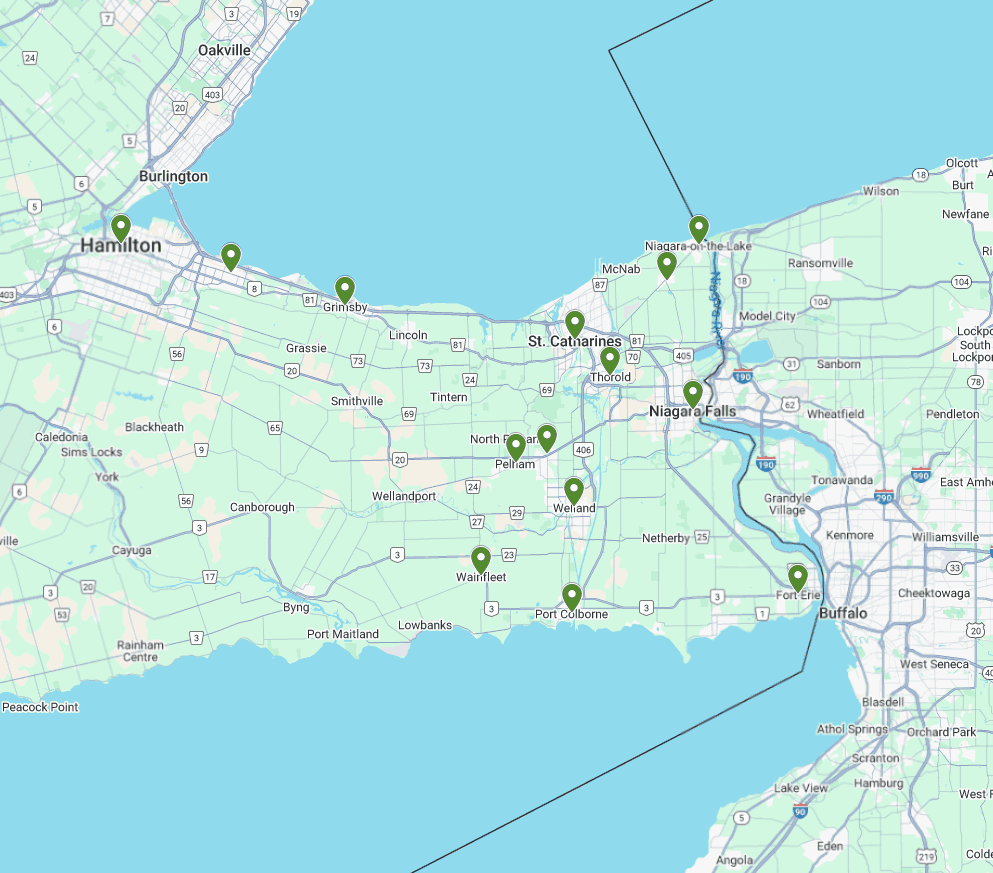
Our service areas encompass a wide range of locations, ensuring that we can meet the needs of our clients wherever they are. From bustling urban centers to serene rural landscapes, we are committed to providing top-notch services tailored to each unique environment.