



Port Colborne homeowners looking to upgrade their heating can benefit from a comprehensive boiler installation process tailored to local winters. The service covers site assessment, accurate sizing, equipment selection, and code compliance, followed by expert installation, commissioning, and warranty protection. It explains permit requirements, gas and venting standards, and modern controls for zoning. With thorough post-installation support, routine maintenance, and water treatment guidance, you gain reliable warmth, energy efficiency, and long-term peace of mind for aging or new boiler systems.
.jpeg)
Boiler Installation in Port Colborne, ON
A properly planned and professionally executed boiler installation is one of the most impactful upgrades you can make to comfort, safety, and energy costs in Port Colborne homes. Winters here can be long and damp, and older houses near the Welland Canal often have unique heating loads and distribution challenges. Whether you are replacing a failing unit or selecting a high-efficiency system for a renovation, a full-service boiler installation covers site assessment, correct sizing, equipment selection, code compliance, expert installation, commissioning, and reliable post-installation support and warranty protection.
Why a professional boiler installation matters in Port Colborne
- Port Colborne’s cold, humid winters increase the demand on heat systems, making correct sizing and control strategies essential to avoid short-cycling or insufficient heat.
- Older homes with cast-iron radiators, mixed piping, or limited mechanical space need tailored solutions to prevent compatibility issues and unnecessary costs.
- Waterfront-related humidity and corrosion risk call for careful material selection and water-treatment planning to extend boiler life.
Common boiler installation needs and issues in Port Colborne
- Boiler replacement due to age, corrosion, or repeated failures
- Upgrading to high-efficiency condensing boilers to cut energy bills
- Converting from natural gas to a different fuel type or vice versa
- Installing combi boilers for space-saving combined hot water and heating
- Addressing uneven radiators or noisy systems caused by improper piping or air in the system
- Ensuring modern controls and zoning for multi-level or renovated homes
Site assessment and system sizing
A thorough site assessment is the foundation of a successful installation. Technicians will:
- Inspect the existing heating distribution (radiators, baseboard, in-floor) and note pipe materials, room-by-room heat loss, and insulation levels.
- Perform a heat-loss calculation to determine the correct boiler capacity in BTU/hr or kW, avoiding oversized units that waste fuel and undersized units that struggle in cold snaps.
- Review mechanical room access, venting options, and clearances to ensure the chosen equipment will fit and meet code.
- Evaluate domestic hot water demands when a combi or indirect water heater is under consideration.
Recommended equipment types for Port Colborne homes
- Condensing boilers: Best for maximum fuel efficiency in natural gas or propane systems. They recover additional heat from exhaust gases and are well-suited to homes pursuing lower energy bills and emissions.
- Combi (combination) boilers: Compact units that provide both space heating and on-demand domestic hot water without a separate tank — ideal for smaller homes or where space is limited.
- Non-condensing (traditional) boilers: Appropriate in systems where return-water temperatures remain high or when retrofitting older cast-iron systems; selection should be justified by system characteristics.
- Indirect hot water tanks coupled to a boiler: Offers high hot-water capacity for larger families while preserving boiler efficiency and serviceability.
Permits and code compliance
Boiler installations in Ontario require adherence to the Ontario Building Code, local municipal bylaws, and gas safety regulations. Typical compliance steps include:
- Obtaining required permits before work begins, including plumbing and mechanical permits where applicable.
- Installing to manufacturer specifications and local code for venting, combustion air, clearances, and piping.
- Ensuring gas line sizing, shutoffs, and pressure testing are performed by certified technicians.
- Documenting work for inspection and warranty validation.
Professional installation procedures
A professional installation follows a clear, safe workflow:
- Pre-installation preparation: Secure permits, order equipment, and plan site access and protection for floors and finishes.
- Safe decommissioning: Drain, disconnect, and remove the old boiler while managing boiler water and condensate safely.
- Piping and venting: Install correctly sized supply/return piping, expansion tanks, pressure relief valves, and balanced flues or chimney connections as required.
- Fuel and electrical connections: Qualified technicians connect gas lines, control wiring, and power per code, including bonding and proper fusing.
- Controls and zoning: Fit modern thermostats, zone valves, or pumps to optimize comfort and save energy.
- Water treatment: Add corrosion inhibitors or filtration if necessary to protect cast-iron radiators and the boiler heat exchanger.
Commissioning and testing
Comprehensive commissioning confirms the system performs as designed:
- Pressure and leak tests on the hydronic system and gas lines.
- Combustion analysis on gas-fired units to verify safe, efficient operation and proper draft.
- Flow and temperature verification to ensure each zone receives correct heat.
- Programming and demonstration of controls so homeowners understand operation and maintenance needs.
- Final paperwork including permit sign-off and installation records for warranty.
Post-installation support and warranty coverage
Reliable post-installation care protects your investment:
- Service plans and routine maintenance schedules maintain efficiency and help validate warranties.
- Warranty coverage varies by manufacturer and component; professional installers will register equipment and explain what's covered and for how long.
- Replacement parts and service response protocols reduce downtime in the rare event of a failure.
- Safety checks for carbon monoxide, pressure relief functionality, and venting remain essential in annual service visits.
Maintenance tips and long-term value
- Annual servicing keeps a boiler running efficiently; typical tasks include cleaning, combustion testing, and checking controls and safety devices.
- Bleeding radiators and balancing zones prevents cold spots and improves efficiency.
- Consider smart thermostats and zoning to reduce fuel use during away periods.
- High-efficiency condensing boilers often deliver the fastest payback in Port Colborne due to local energy prices and long winter seasons.
Final considerations
A properly sized, code-compliant boiler installed by experienced technicians resolves common heating problems and delivers reliable warmth through Port Colborne’s cold months, reduces energy waste, and protects the home from system failures. Thoughtful equipment selection, meticulous installation, full commissioning, and ongoing support together provide peace of mind and measurable long-term savings for homeowners.

Customer Testimonials

I called John today at 2:pm as my AC was not working and I wasn’t expecting even a call back as I knew with this hot weather we have had he would be swamped with calls. Well he called me back and showed at 8:pm on the same day to fix my AC. That is just incredible service and how much John really cares about his clients. Thank you John !

Lifesavers!! The AC in our house decided to quit the day we were passing the keys to the new owners!! Instead of making a service call to the house, John coached me through the minor repair over the phone, saving me the money and time waiting for a repair person to come.Much appreciated! Thanks again John
I have used Niagara Home heating for multiple projects for over 16 years. John and his staff are absolutely the best. I tell all my friends and family about Niagara Home Heating because you won’t get any better service or pricing anywhere in Niagara. He has saved me thousands and thousands of dollars and has never let me down.
I had an issue with my hot water tank and called Niagara Home Heating. Their service was fantastic and reasonably priced—exactly how a business should be run!
Very efficient company. I needed an old solar water heater removed from my roof. They were quick to book an appointment for the next day after I sent photos. They were very knowledgeable of the issue. The 2 guys that came were friendly and competent with the job, including removal of all parts.
We had an amazing experience getting our new furnace installed with Niagara Home Heating. The owner was very helpful, their quote was more then competitive and the technician who installed the unit was professional and friendly. I would recommend their services.

Service Areas
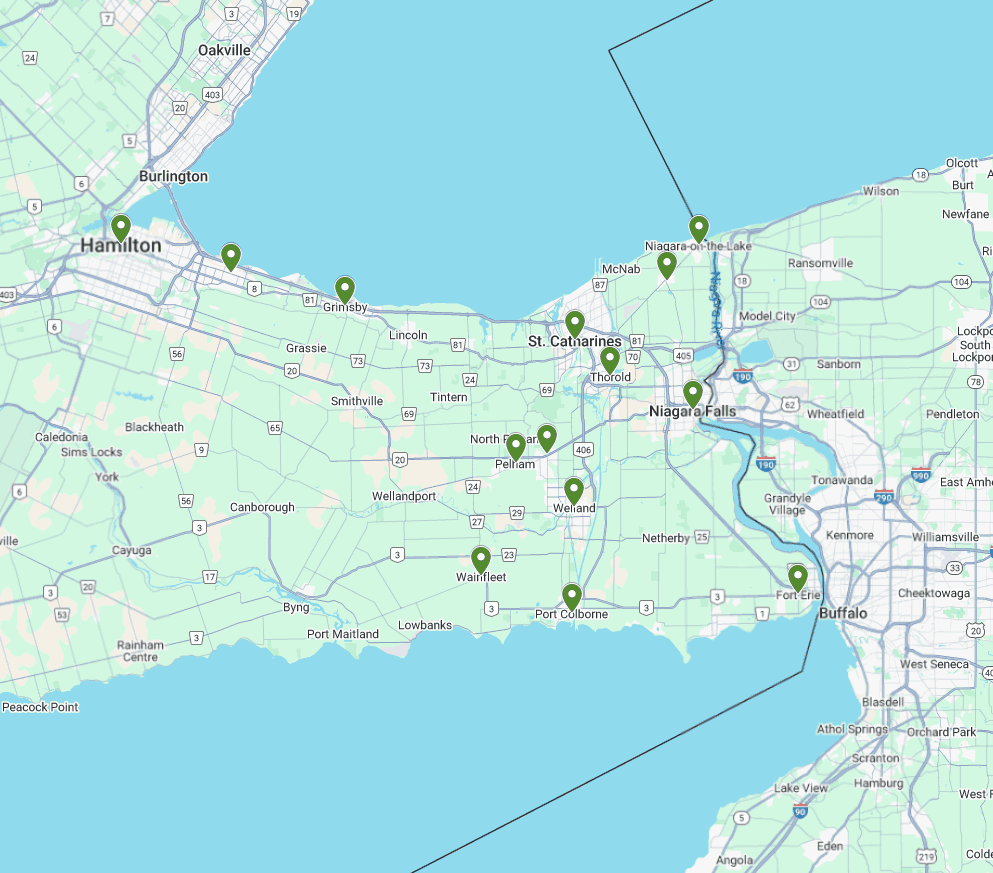
Our service areas encompass a wide range of locations, ensuring that we can meet the needs of our clients wherever they are. From bustling urban centers to serene rural landscapes, we are committed to providing top-notch services tailored to each unique environment.