



Port Colborne boiler maintenance guides owners through safe, reliable heating with routine inspections and seasonal service plans. It covers common local issues such as reduced heat, leaks, corrosion, and ignition problems, and outlines a comprehensive program with inspections, cleaning, safety checks, performance testing, and detailed records. The guide also explains recommended service intervals, benefits like improved reliability and efficiency, and how maintenance agreements work, including plan selection, priority service, and transparent reporting. This reference helps homeowners prioritize preventive care and value.
.jpeg)
Boiler Maintenance in Port Colborne, ON
Keeping your boiler properly maintained is essential for reliable heat through Port Colborne’s cold, lake-effect winters and for avoiding costly mid-season failures. Routine boiler maintenance programs and seasonal service plans ensure safe operation, preserve efficiency, and extend equipment life—especially important in coastal-influenced Niagara Region homes where humidity, mineral buildup, and heavy winter demand increase wear. Below is a clear, decision-focused guide to what thorough boiler maintenance looks like, common local issues, recommended service intervals, and how maintenance agreements typically work.
Common boiler issues in Port Colborne homes
- Reduced heating output or uneven room temperatures after heavy snow or cold snaps.
- Frequent cycling, high fuel consumption, or rising heating bills caused by fouled burners or clogged heat exchangers.
- Low system pressure or leaks from fittings and valves due to corrosion or freeze-related stress.
- Ignition failures, intermittent pilot problems, or fault codes from outdated controls.
- Corrosion or mineral buildup in hot water boilers because of local water hardness and humidity.
- Venting issues from snow or debris blocking chimneys and flues during storm seasons.
What a professional boiler maintenance program includes
A complete maintenance program for Port Colborne boilers addresses performance, safety, and long-term reliability. Typical program components include:
- Comprehensive inspection checklist (burner, controls, pressure, leaks)
- Cleaning and adjustment tasks (burner, heat exchanger, filters)
- Safety checks (carbon monoxide monitoring, relief valves, venting)
- Performance testing (combustion analysis, efficiency verification)
- Seasonal service plans and recommended intervals based on system age and use
- Detailed service reports and maintenance records for warranty compliance
- Priority scheduling and discounts on parts for enrolled customers (standard in many maintenance agreements)
Detailed inspection checklist
During a standard maintenance visit technicians will inspect and document these items:
- Burner and combustion area: examine flame pattern, fuel nozzle condition, and fuel pressure.
- Controls and safety devices: test thermostats, high-limit switches, pressure controls, and safety interlocks.
- System pressure and expansion components: verify operating pressure, expansion tank condition, and automatic fill valves.
- Piping and fittings: check for leaks, corrosion, insulation integrity, and signs of freeze damage.
- Heat exchanger and boiler body: look for soot, scale, cracks, or corrosion that reduce heat transfer or pose safety risks.
- Venting and flue: inspect draft, vent connections, chimney condition, and possible obstructions from snow or nests.
- Pumps and valves: test circulator pumps, isolation valves, zone valves, and check bearings for wear.
- Combustion efficiency: perform a combustion analysis or draft test when applicable to confirm safe and efficient fuel burn.
Cleaning and adjustment tasks performed
- Remove soot and combustion deposits from burners and heat exchangers to restore efficient heat transfer.
- Clean or replace air filters and strainers to maintain proper airflow and protect components.
- Adjust burner settings, ignition timing, and fuel/air mixture to optimize combustion efficiency.
- Lubricate circulator pumps and motor bearings where applicable.
- Flush low spots or sediment traps in systems with significant mineral buildup.
- Tighten and secure fittings and electrical connections to prevent leaks and intermittent faults.
Safety checks included with maintenance
- Carbon monoxide source checks and CO alarm interface verification where installed.
- Relief valve testing to ensure proper operation and prevent overpressure events.
- Venting integrity assessment to prevent combustion gases from entering living spaces.
- Fuel line and gas connection inspection for leaks and correct shutoff operation.
- Verification of safety interlocks and emergency shutdown functions.
Recommended service intervals and seasonal plans
- Annual comprehensive tune-up (recommended for most residential boilers): scheduled before fall to ensure reliable operation through the heating season.
- Biannual inspection for older systems (15+ years) or commercial boilers: spring and fall checks help catch degradation early.
- Pre-winter comprehensive inspection: includes combustion analysis, vent sweep, and leak checks to prepare for sustained cold.
- Spring or post-season service: addresses sediment, performs system flushes if needed, and documents any wear noticed during the season.
- Add-on mid-winter check: recommended after major storms, long cold snaps, or if you notice reduced performance.
Adjust frequency upward for multi-zone systems, high-demand households, or properties with known water quality issues that accelerate scale and corrosion.
Benefits of regular boiler maintenance in Port Colborne
- Improved reliability during lake-effect snow and prolonged cold: fewer emergency failures when you need heat most.
- Better fuel efficiency and lower bills by keeping burners and heat exchangers operating at peak performance.
- Extended equipment lifespan: routine care prevents small problems from becoming major failures.
- Safer operation: preventative inspections reduce the risk of carbon monoxide exposure and pressure incidents.
- Warranty protection: documented maintenance often satisfies manufacturer requirements and preserves warranty coverage.
- Predictable budgeting: scheduled maintenance reduces surprise repair costs and supports planned equipment replacement decisions.
How maintenance agreements work (what to expect when enrolling)
Maintenance agreements standardize care and simplify ownership. A typical enrollment process and agreement features include:
- Plan selection: choose the level of coverage that matches your boiler type, age, and usage (residential vs commercial).
- Scheduled visits: one or more annual visits scheduled in advance with reminders and seasonal timing to align with pre-winter service.
- Priority service: enrolled systems usually receive priority scheduling for repairs during peak cold periods.
- Inspection reports: technicians provide a written summary of findings, recommended repairs, and parts used to maintain service history.
- Discounted parts and labor: many agreements include preferential pricing on repair work and replacement parts.
- Transferable records: maintenance history can help when selling a home, showing prospective buyers the system was cared for.
- Flexibility: plans typically allow upgrades, additional visits, or change of coverage as needs evolve.
Regular maintenance is a cost-effective way to protect your home’s comfort and safety through Port Colborne’s challenging heating seasons. Properly structured seasonal plans and documented service keep boilers running efficiently, reduce emergency calls, and preserve the value of your heating investment.

Customer Testimonials

We had an amazing experience getting our new furnace installed with Niagara Home Heating. The owner was very helpful, their quote was more then competitive and the technician who installed the unit was professional and friendly. I would recommend their services.

Very efficient company. I needed an old solar water heater removed from my roof. They were quick to book an appointment for the next day after I sent photos. They were very knowledgeable of the issue. The 2 guys that came were friendly and competent with the job, including removal of all parts.
I had an issue with my hot water tank and called Niagara Home Heating. Their service was fantastic and reasonably priced—exactly how a business should be run!
I have used Niagara Home heating for multiple projects for over 16 years. John and his staff are absolutely the best. I tell all my friends and family about Niagara Home Heating because you won’t get any better service or pricing anywhere in Niagara. He has saved me thousands and thousands of dollars and has never let me down.
I called John today at 2:pm as my AC was not working and I wasn’t expecting even a call back as I knew with this hot weather we have had he would be swamped with calls. Well he called me back and showed at 8:pm on the same day to fix my AC. That is just incredible service and how much John really cares about his clients. Thank you John !
Lifesavers!! The AC in our house decided to quit the day we were passing the keys to the new owners!! Instead of making a service call to the house, John coached me through the minor repair over the phone, saving me the money and time waiting for a repair person to come.Much appreciated! Thanks again John

Service Areas
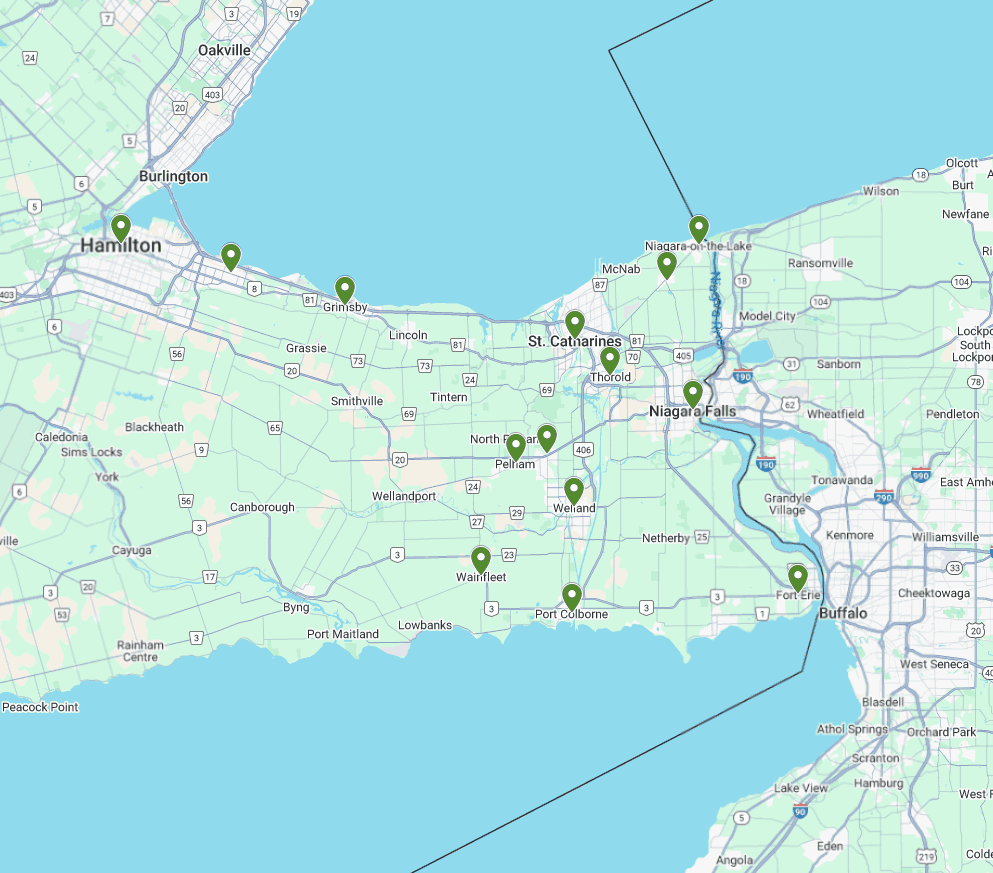
Our service areas encompass a wide range of locations, ensuring that we can meet the needs of our clients wherever they are. From bustling urban centers to serene rural landscapes, we are committed to providing top-notch services tailored to each unique environment.