



Port Colborne boiler repair professionals explain how to identify issues, perform diagnostics, and choose between repair and replacement for hydronic and steam boilers. The guide covers common symptoms (no heat, noises, pressure loss, leaks, ignition problems), diagnostic steps, and typical repairs with parts and labor. It also outlines emergency response options, realistic timelines, warranties, and prevention strategies to extend boiler life, including annual service, system flushing, radiator bleeding, and proper water chemistry. This guidance helps homeowners make informed decisions and prioritize safety.
.jpeg)
Boiler Repair in Port Colborne, ON
A malfunctioning boiler affects comfort, safety, and energy bills—especially in Port Colborne where cold winters, lake-effect weather swings and older housing stock make reliable hydronic heating essential. This page explains how professional boiler repair works in Port Colborne homes and small businesses: common symptoms, diagnostic steps, typical repairs (parts and labor), emergency response options, realistic timelines, warranty and parts considerations, and preventative care to avoid repeat breakdowns.
Common boiler symptoms Port Colborne homeowners see
If your boiler shows any of the following, it typically means service or repair is needed:
- No heat or inconsistent heat across radiators or baseboards
- Strange noises (gurgling, banging, kettling) indicating trapped air, sediment, or failing components
- Frequent cycling or short runs that drive up energy use
- Low boiler pressure or consistent pressure loss
- Leaking water around the boiler, valves, or piping
- Pilot/ignition problems or burner that won’t stay lit
- Visible corrosion or rust on the heat exchanger or piping (common in homes near the lake due to higher humidity)
- Carbon monoxide alarm activation or unexplained soot and smell of combustion
Any sign of carbon monoxide, strong gas smell, or major water flooding requires immediate evacuation and emergency services. Boilers are sealed combustion systems only when operating correctly; safety checks are critical.
How professional diagnostics work
A thorough diagnosis separates a quick fix from a necessary replacement. Typical diagnostic steps:
- Visual inspection for leaks, corrosion, vent issues, and wiring condition.
- Check boiler pressure, thermostat operation, zone valves, and circulator pumps.
- Test ignition system, gas valve and flame characteristics or electric elements for electric boilers.
- Inspect heat exchanger and combustion chamber for cracks, soot, or scaling.
- Perform a combustion efficiency test (where applicable) and check flue/venting for blockages.
- Confirm safety controls (pressure relief valve, low-water cutoff, expansion tank) are functioning.
Technicians document findings, explain root causes in plain language, and provide a written repair estimate that lists parts, labor, and timelines.
Typical repair solutions (parts and labor)
Common repairs performed on hydronic and steam boilers in the Port Colborne area include:
- Circulator pump replacement or rebuild — restores flow to radiators and baseboards.
- Expansion tank or pressure vessel repair/replacement — corrects pressure fluctuations and waterlogging.
- Pressure relief valve and pressure switch replacement — critical safety items.
- Zone valve replacement or thermostat zone troubleshooting — fixes uneven heating between areas.
- Ignition/control module or gas valve repair — addresses no-heat conditions.
- Heat exchanger cleaning or repair — removes scale/sediment to restore efficiency; cracked exchangers often require replacement.
- Flue and vent repairs — ensures safe combustion gas removal and proper drafting.
- Condensate trap and drain clearing (for high-efficiency condensing boilers) — prevents shutdowns and freeze issues during cold snaps.
- Pipe or fitting leak repairs, gasket replacements — stops visible leaks and prevents water damage.
- Radiator or steam trap service — for older steam systems common in heritage homes.
Labor typically includes on-site removal/installation, system flushing where needed, leak testing, safety re-checks and a final system startup with operational testing.
Emergency repair and response options
Port Colborne homeowners often need fast service in extreme cold. Emergency provisions include:
- Priority dispatch for unsafe conditions (CO alarm, major leaks, no heat during freeze)
- Temporary repairs or bypasses to restore heat until permanent parts arrive
- Safe shutdown and isolation of faulty components to prevent damage or danger
- Guidance on short-term safety measures (ventilation, shutting off gas if advised by emergency services)
Many repair providers maintain after-hours coverage to reduce the risk of frozen pipes or burst radiators.
Timelines you can expect
- Initial diagnosis: Often same-day or within 24 hours depending on scheduling and season.
- Minor repairs: Many common parts (pumps, valves, thermostats) are stocked locally and can be completed same-day.
- Parts special-order: If a specific heat exchanger or older model part is needed, expect a few days to a week for procurement.
- Complex repairs or retrofits: Multi-day jobs occur when piping rework or control system upgrades are required.Seasonal demand (late fall and winter) can extend timelines; having annual maintenance scheduled outside peak season reduces emergency wait times.
Pricing guidelines and estimate approach
Rather than flat numbers, expect pricing to reflect:
- Age and accessibility of the boiler (tight mechanical rooms increase labor)
- Type of system (steam, cast-iron hot-water, high-efficiency condensing)
- Replacement vs repair of major components (heat exchangers and control boards carry higher parts cost)
- Permit or inspection requirements for gas-related work in some jurisdictionsProfessional estimates should be itemized: parts list, labor hours, and any follow-up service included. Reputable technicians will present options (repair now, temporary measure, or replacement comparison) so you can choose based on urgency and long-term cost.
Warranty and parts information
- Manufacturer parts typically retain original warranty if replaced under their terms; installers may register parts per manufacturer instructions.
- Service warranties: Many repair services provide limited labor warranties (commonly 30 to 365 days depending on the provider and job type). Confirm what is covered and any exclusions before work begins.
- Aftermarket parts can be used for discontinued models but review warranty terms and compatibility.Keeping service records and receipts supports any warranty claims and helps future technicians troubleshoot effectively.
Preventive care to reduce future repairs
- Schedule annual boiler service and safety inspection—preferably before the heating season.
- Flush systems to remove sediment if you have hard water or cast-iron boilers.
- Check and bleed radiators or zone valves seasonally to prevent cold spots.
- Insulate exposed piping in unheated spaces to prevent freezing during extreme cold snaps.
- Maintain proper water chemistry for closed-loop systems to minimize corrosion and scaling.
Timely repairs restore safety, improve efficiency and extend boiler service life—especially important in Port Colborne where freeze risks and humidity can accelerate wear. Professional diagnostics and clear, written estimates ensure you make informed decisions about repairs, temporary fixes, or replacement.

Customer Testimonials

Lifesavers!! The AC in our house decided to quit the day we were passing the keys to the new owners!! Instead of making a service call to the house, John coached me through the minor repair over the phone, saving me the money and time waiting for a repair person to come.Much appreciated! Thanks again John

I called John today at 2:pm as my AC was not working and I wasn’t expecting even a call back as I knew with this hot weather we have had he would be swamped with calls. Well he called me back and showed at 8:pm on the same day to fix my AC. That is just incredible service and how much John really cares about his clients. Thank you John !
I have used Niagara Home heating for multiple projects for over 16 years. John and his staff are absolutely the best. I tell all my friends and family about Niagara Home Heating because you won’t get any better service or pricing anywhere in Niagara. He has saved me thousands and thousands of dollars and has never let me down.
We had an amazing experience getting our new furnace installed with Niagara Home Heating. The owner was very helpful, their quote was more then competitive and the technician who installed the unit was professional and friendly. I would recommend their services.
I had an issue with my hot water tank and called Niagara Home Heating. Their service was fantastic and reasonably priced—exactly how a business should be run!
Very efficient company. I needed an old solar water heater removed from my roof. They were quick to book an appointment for the next day after I sent photos. They were very knowledgeable of the issue. The 2 guys that came were friendly and competent with the job, including removal of all parts.

Service Areas
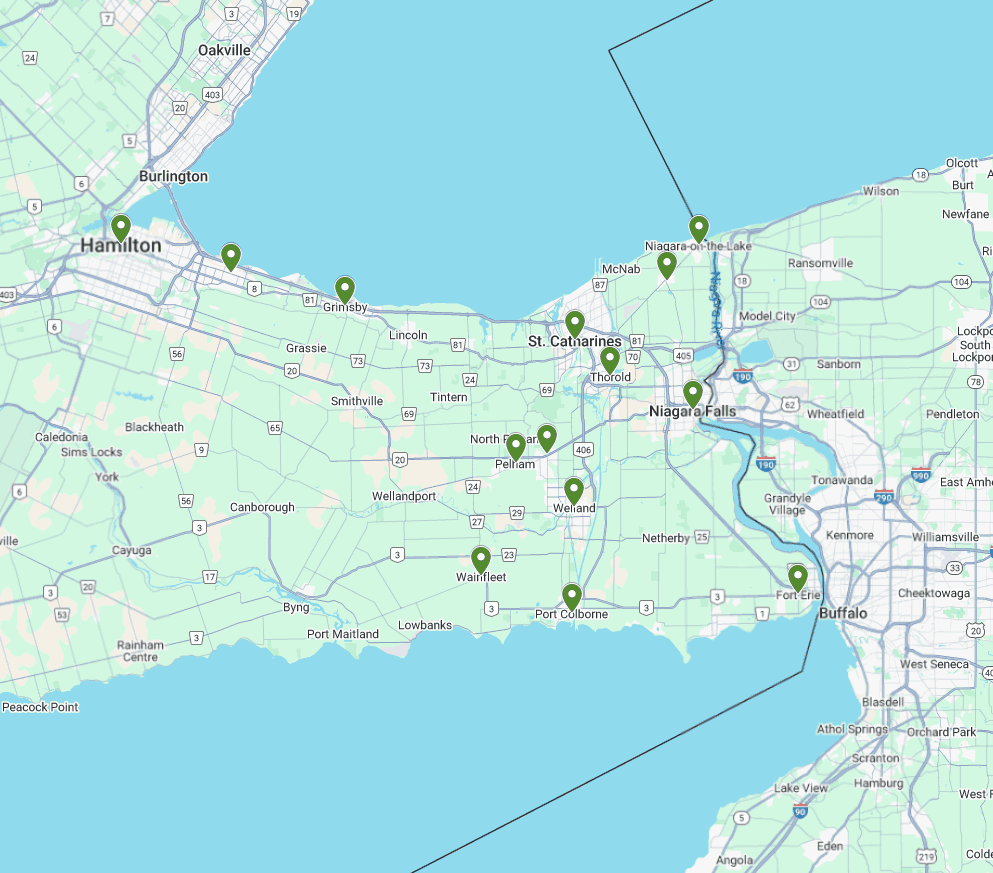
Our service areas encompass a wide range of locations, ensuring that we can meet the needs of our clients wherever they are. From bustling urban centers to serene rural landscapes, we are committed to providing top-notch services tailored to each unique environment.