



Port Colborne residents seeking boiler replacement receive a comprehensive overview of when to replace, how professionals assess heat load, and which energy-efficient options best fit gas, propane, or cast-iron systems. The guide covers removal and installation logistics, typical timelines, financing and rebates, warranty expectations, and practical long-term savings. It emphasizes proper sizing, code compliance, and ongoing maintenance to maximize reliability, reduce fuel costs, and maintain comfort during Port Colborne winters. The page also explains assessment steps, equipment options, and expected outcomes for homeowners.
.jpeg)
Boiler Replacement in Port Colborne, ON
Replacing a boiler is one of the most important home upgrades for comfort, safety, and long-term energy savings in Port Colborne, ON. With cold lake-influenced winters, older housing stock, and many homes relying on hydronic heating or cast-iron systems, a timely boiler replacement can eliminate ongoing breakdowns, improve efficiency, and reduce fuel costs. This page explains when replacement is recommended, how a professional assessment is done, energy-efficient options, removal and installation logistics, timelines, financing and rebate considerations, warranty expectations, and realistic long-term savings.
When boiler replacement is recommended
Consider replacement when you notice any of the following:
- Recurrent breakdowns or rising repair costs year after year
- Uneven heat or cold radiators despite servicing
- Age of the boiler: most older cast-iron or non-condensing units over 15-20 years
- Frequent pilot or ignition problems, leaking, or visible corrosion
- Noticeably higher fuel bills compared to previous seasons
- Poor indoor air quality or safety concerns such as repeated carbon monoxide trips
In Port Colborne’s climate, extended cold periods make reliability essential. Replacing an aging boiler before a major failure avoids emergency heating outages during peak winter.
Common boiler types and replacement options
- High-efficiency condensing boilers (modulating-condensing) — best for gas or propane systems; efficiencies 90%+ and ideal for long heating seasons.
- Mid-efficiency sealed combustion boilers — a balance of cost and performance where condensing is not feasible.
- Cast-iron replacements with modern controls — for older radiator systems where large water mass is preferred.
- Combination systems and indirect-fired water heaters — combine domestic hot water and space heating where appropriate.
Selecting the right type depends on fuel, existing piping, venting, and your long-term goals for efficiency and comfort.
Assessment process: system evaluation and load calculations
A thorough replacement begins with a professional assessment:
- Visual inspection of the existing boiler, burner, venting, and controls.
- Combustion and safety checks to evaluate efficiency and flue conditions.
- Heat loss (load) calculation for your home — sizing the new boiler to actual heating demand rather than replacing “like for like.” Proper sizing avoids short cycling and improves efficiency.
- Radiator and distribution assessment to confirm compatibility with new equipment or identify needed upgrades (pump, expansion tank, valves).
- Fuel and venting analysis to determine if new flue work or a conversion is required.
This evaluation produces a clear recommendation and equipment options tailored to Port Colborne homes and typical heating loads.
Energy-efficient models and what to expect
- Modulating-condensing boilers adjust output to demand, reducing fuel use during milder weather common in the Niagara region. Expect up to 15-30% energy savings compared with older non-condensing units.
- Smart controls and outdoor reset improve comfort and reduce cycling by matching boiler water temperature to outdoor conditions.
- Stainless steel heat exchangers resist corrosion and extend life in high-condensing applications.Choose models with clear efficiency ratings and proven performance for hydronic systems.
Removal and disposal logistics
Safe removal follows local codes and best practices:
- Secure fuel and power shutoff; drain system to an approved waste point.
- Disconnect and cap gas lines per code; coordinate any required permits or inspections.
- Remove and recycle old boiler and components where possible; dispose of non-recyclable materials responsibly.
- Evaluate and replace worn piping, valves, or flues as needed to ensure system integrity.
Disposal and site cleanup are planned so your home is protected and compliant with regional waste and environmental rules.
Installation steps and expected timeline
Typical residential installation steps:
- Finalize equipment selection and obtain permits if required.
- Site preparation: protect floors, remove old unit, verify piping and venting.
- Install new boiler, vents, pumps, and controls; adapt piping to match new layout.
- System flushing or chemical clean if replacing old boilers to remove sludge.
- Fill, purge, pressurize, and leak-test the system.
- Commissioning: combustion tune, thermostat setup, and performance verification.
- Owner walkthrough on operation and maintenance tasks.
Timeline estimates:
- Straight swap (same location, minimal piping changes): 1 to 2 days.
- Moderate installations (new venting, minor piping work): 2 to 3 days.
- Complex changes (relocation, major distribution upgrades): 3 to 5+ days.
Weather and permitting can affect schedules; installations during fall and early winter are common in Port Colborne to prepare for sustained cold.
Financing and rebate information
Many homeowners offset upfront costs through financing and incentives:
- Manufacturer or dealer financing plans are commonly available to spread payments.
- Provincial and federal energy efficiency rebates and local utility incentives may apply to qualifying high-efficiency boilers and control upgrades.
- Keep all invoices, equipment model numbers, and efficiency ratings for rebate applications and tax documentation.
Eligibility varies by program; factor potential rebates into your decision and ask for documentation that supports applications.
Warranty and service expectations
Typical warranty coverage:
- Heat exchanger warranties commonly range from 5 to 10 years on modern boilers; some premium models offer longer coverage.
- Parts warranties often range from 1 to 5 years.
- Labor warranties vary by installer; expect at least a 1-year workmanship warranty, with extended service plans available.
Confirm warranty registration requirements and recommended maintenance schedules to keep warranties valid.
Estimated long-term cost savings
Upgrading an old 70% efficient boiler to a modern 90%+ condensing unit often delivers:
- 15 to 30% annual fuel cost reduction, depending on fuel prices and usage patterns.
- Shorter payback periods when combined with rebates and reduced repair costs — typically 5 to 12 years.
- Improved home comfort and fewer emergency repairs, which add indirect savings and value to your property.
Example: if winter fuel costs are approximately $2,000 per year, a 20% reduction equals $400 saved annually. Local fuel costs, usage, and system condition will influence actual savings.
Maintenance and long-term benefits
After replacement, regular maintenance preserves efficiency and extends life:
- Annual tune-up and safety inspection before the heating season.
- Regular water quality checks and system flushing as recommended.
- Bleed radiators and verify even heating across zones.
- Monitor for unusual noises, pressure fluctuations, or leaks.
A correctly selected and installed boiler provides reliable heat through Port Colborne winters, lowers operating costs, and improves home safety and resale value.

Customer Testimonials

I called John today at 2:pm as my AC was not working and I wasn’t expecting even a call back as I knew with this hot weather we have had he would be swamped with calls. Well he called me back and showed at 8:pm on the same day to fix my AC. That is just incredible service and how much John really cares about his clients. Thank you John !

Very efficient company. I needed an old solar water heater removed from my roof. They were quick to book an appointment for the next day after I sent photos. They were very knowledgeable of the issue. The 2 guys that came were friendly and competent with the job, including removal of all parts.
We had an amazing experience getting our new furnace installed with Niagara Home Heating. The owner was very helpful, their quote was more then competitive and the technician who installed the unit was professional and friendly. I would recommend their services.
Lifesavers!! The AC in our house decided to quit the day we were passing the keys to the new owners!! Instead of making a service call to the house, John coached me through the minor repair over the phone, saving me the money and time waiting for a repair person to come.Much appreciated! Thanks again John
I have used Niagara Home heating for multiple projects for over 16 years. John and his staff are absolutely the best. I tell all my friends and family about Niagara Home Heating because you won’t get any better service or pricing anywhere in Niagara. He has saved me thousands and thousands of dollars and has never let me down.
I had an issue with my hot water tank and called Niagara Home Heating. Their service was fantastic and reasonably priced—exactly how a business should be run!

Service Areas
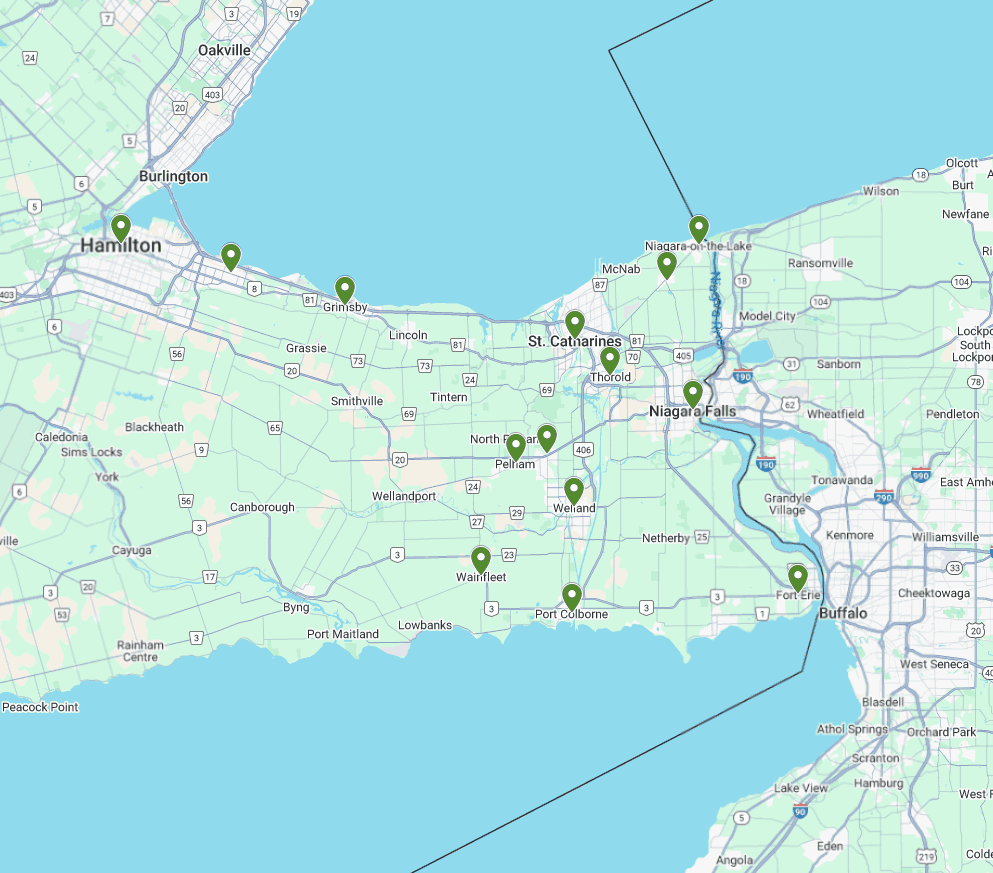
Our service areas encompass a wide range of locations, ensuring that we can meet the needs of our clients wherever they are. From bustling urban centers to serene rural landscapes, we are committed to providing top-notch services tailored to each unique environment.