



Fort Erie boiler repair services provide on-site diagnostics, safe repairs, and guidance for common faults in older cast-iron and modern systems. Technicians perform visual inspections, test controls and pressure, and verify venting and gas supply to identify root causes quickly. The page covers troubleshooting steps, replacement parts, typical timelines, emergency response, safety checks, pricing guidelines, and warranty basics, along with practical tips to prevent future breakdowns and keep boilers running reliably through harsh winters. Request a diagnostics visit today.
-min.jpeg)
Boiler Repair in Fort Erie, ON
A reliable boiler keeps Fort Erie homes and businesses safe and warm during long winters and sudden temperature drops. If your boiler is making unusual noises, failing to heat, leaking, or showing pressure problems, timely, professional boiler repair prevents unsafe conditions, reduces energy costs, and avoids more expensive replacements later. It describes common boiler faults in Fort Erie, on-site troubleshooting and repair processes, parts replacement and timelines, emergency response and safety checks, pricing guidelines and warranty basics, plus practical tips to avoid future breakdowns.
Why location matters for boiler repair in Fort Erie
Fort Erie sits on Lake Erie and experiences lake-effect weather with cold, damp winters and occasional freeze-thaw cycles. Those conditions:
- Increase heating demand and stress older boilers during deep cold snaps.
- Expose systems to higher indoor humidity, which accelerates corrosion in metal components.
- Raise freeze risk in basements and unheated extensions, contributing to burst pipes and damaged boilers.
Homes in Fort Erie also include many older, character properties with cast-iron boilers that require different care than modern condensing units. Local technicians understand these regional patterns and common equipment types.
Common boiler problems in Fort Erie homes
- Ignition and ignition control failures — the system won’t light or cycles repeatedly.
- Pilot light and pilot assembly issues — pilot will not stay lit or needs frequent relighting.
- Leaks — from valves, heat exchangers, joints, or corroded sections.
- Pressure problems — repeated low pressure or relief valve discharges indicating a failing expansion tank or leaks.
- Strange noises — kettling, banging, or gurgling that point to scale buildup, trapped air, or pump failure.
- Circulator pump or motor failure — loss of heat in radiators or uneven heating.
- Faulty controls and sensors — thermostats, pressure sensors, or safety switches causing shutdowns.
On-site diagnostics and troubleshooting
A systematic on-site approach identifies root causes quickly and avoids unnecessary parts replacement:
Technicians document findings and present repair options ranging from targeted component replacement to system restoration if water quality or age suggests broader issues.
Parts replacement and typical repair timelines
Common replacement parts:
- Ignition modules and spark electrodes
- Gas valves and pilot assemblies
- Circulator pumps and motors
- Pressure relief valves and expansion tanks
- Thermostats, sensors, and control boards
- Seals, gaskets, and pumps
Typical repair timelines depend on fault severity and parts availability:
- Minor fixes (ignition, pilot, thermostat) often resolved same day with standard parts.
- Pump or control board replacements may require same-day to next-day service if parts are in stock.
- Heat exchanger replacement or major leak repairs can take multiple days and may require system drains and re-fills.Emergency situations involving suspected heat exchanger cracks or dangerous gas leaks will take priority and may require immediate shutdown until safe repairs can be made.
Emergency response and safe immediate actions
In a suspected emergency:
- If you smell gas, evacuate the building and follow established safety protocols. Do not operate electrical switches or the boiler.
- If you suspect carbon monoxide, leave the premises and seek fresh air immediately; carbon monoxide alarms are critical.
- For loss of heat in extreme cold, limit exposure, turn off electrical loads that may freeze pipes, and safely isolate the boiler if instructed by a technician.
Emergency repair protocols prioritize safety checks, isolation of gas or electrical supply, temporary measures to restore safe heat where possible, and scheduling permanent repairs once a full diagnostic is completed.
Technician qualifications and safety checks
Qualified technicians for Fort Erie boiler repair should hold:
- Certified gas technician licensing and relevant HVAC/boiler certifications.
- Training on both older cast-iron boilers and modern condensing systems.
- Insured status and adherence to local codes and safety standards.On-site safety checks include combustion analysis, carbon monoxide testing, gas leak detection, proper venting and draft testing, and verification of safety controls and shutoffs.
Pricing guidelines and warranty information
Pricing is influenced by:
- The make, model, and age of the boiler.
- The specific component needing repair and availability of OEM parts.
- Complexity of access and whether system draining or re-piping is required.
- Time of service including after-hours or emergency calls.
Most reputable providers give a transparent inspection-based estimate before work begins and will explain options when a part replacement versus repair trade-off exists. Parts often carry manufacturer warranties, and professional repair labor may include a service warranty for workmanship. For older systems, weigh warranty coverage and expected remaining life when deciding between repair and replacement.
Tips to avoid future breakdowns in Fort Erie
- Schedule an annual heating tune-up before the heating season to inspect burners, controls, and safety devices.
- Maintain proper system water quality and address corrosion or hard water buildup with professional flushing and treatment.
- Keep boiler room areas clear, insulated exposed pipes in unheated spaces, and check for signs of leaks regularly.
- Install and maintain carbon monoxide and smoke detectors near sleeping areas.
- Bleed radiators and purge trapped air after any repair or when cold spots appear.
- Consider upgrading older boilers to modern condensing units for improved efficiency and lower failure rates in extreme cold.
The benefits of prompt boiler repair
Timely, professional boiler repair in Fort Erie reduces safety risks, restores comfort faster during harsh weather, improves system efficiency, and extends equipment life. Local technicians familiar with regional climate impacts and housing stock provide targeted diagnostics and repairs that minimize downtime and prevent repeat failures. Regular maintenance and informed repair decisions help Fort Erie homeowners and businesses stay warm and safe through the winter months.

Customer Testimonials

Very efficient company. I needed an old solar water heater removed from my roof. They were quick to book an appointment for the next day after I sent photos. They were very knowledgeable of the issue. The 2 guys that came were friendly and competent with the job, including removal of all parts.

Lifesavers!! The AC in our house decided to quit the day we were passing the keys to the new owners!! Instead of making a service call to the house, John coached me through the minor repair over the phone, saving me the money and time waiting for a repair person to come.Much appreciated! Thanks again John
I had an issue with my hot water tank and called Niagara Home Heating. Their service was fantastic and reasonably priced—exactly how a business should be run!
I called John today at 2:pm as my AC was not working and I wasn’t expecting even a call back as I knew with this hot weather we have had he would be swamped with calls. Well he called me back and showed at 8:pm on the same day to fix my AC. That is just incredible service and how much John really cares about his clients. Thank you John !
We had an amazing experience getting our new furnace installed with Niagara Home Heating. The owner was very helpful, their quote was more then competitive and the technician who installed the unit was professional and friendly. I would recommend their services.
I have used Niagara Home heating for multiple projects for over 16 years. John and his staff are absolutely the best. I tell all my friends and family about Niagara Home Heating because you won’t get any better service or pricing anywhere in Niagara. He has saved me thousands and thousands of dollars and has never let me down.

Service Areas
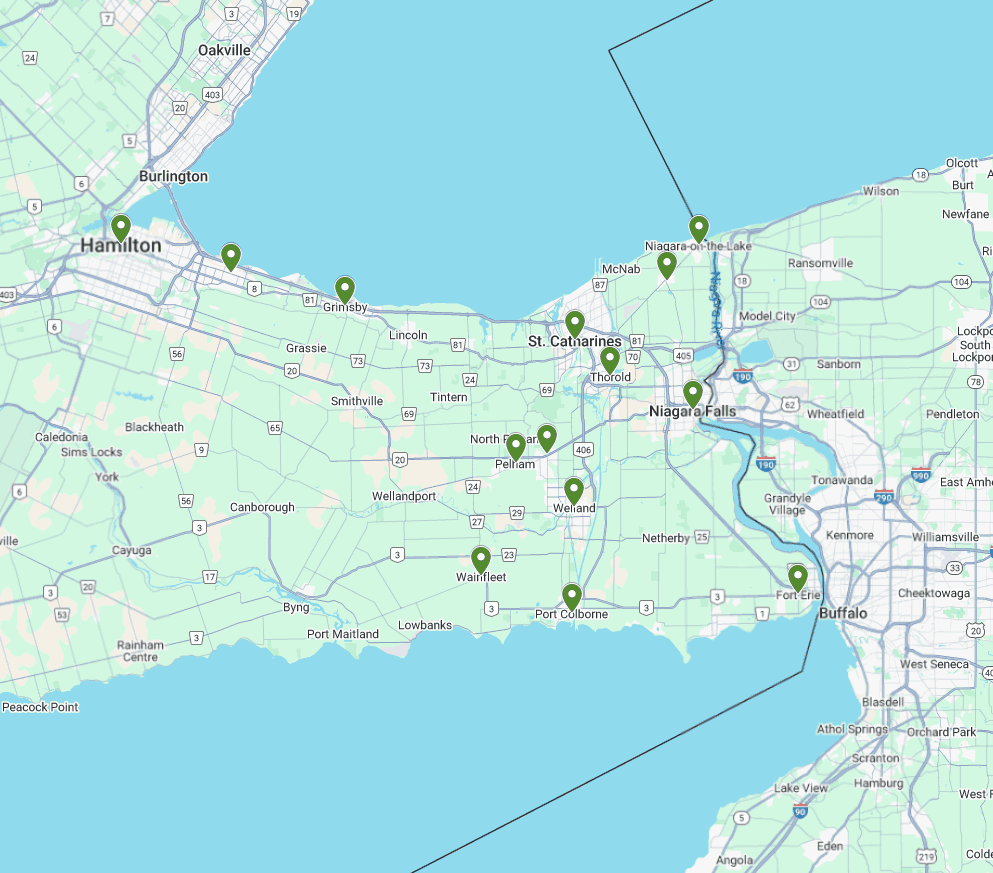
Our service areas encompass a wide range of locations, ensuring that we can meet the needs of our clients wherever they are. From bustling urban centers to serene rural landscapes, we are committed to providing top-notch services tailored to each unique environment.