



Boiler replacement in Fort Erie, ON describess when a replacement is recommended versus repair, and describes in detail the professional assessment and sizing process, including heat loss calculations, inventory of distribution systems, fuel type, venting, and future load considerations. It compares energy-efficient boiler categories such as non-condensing, condensing, modulating-condensing, combi, and hybrids, and describes removal, disposal, and safe handling. It provides a step-by-step installation timeline, financing, rebates, warranty expectations, lifespan improvements, and practical maintenance tips for long-term performance.
.jpeg)
Boiler Replacement in Fort Erie, ON
Replacing a boiler is a major home investment and the right choice can improve comfort, lower energy bills, and reduce repair headaches for years. For Fort Erie homes, with cold winters, lake-effect precipitation, and a mix of older stone and newer suburban housing, choosing the correct boiler type, properly sizing it, and handling removal and installation carefully matters more than in many milder markets. It describes when replacement is recommended versus repair, how a professional assessment and sizing is done, the energy-efficient model options available, the removal and disposal process, a step-by-step installation timeline, financing and rebate considerations, and what to expect for warranty, efficiency and lifespan improvements.
When to replace a boiler vs repair
Deciding between repair and replacement depends on age, condition, frequency of breakdowns, and long-term cost of operation.
Common signs replacement is recommended:
- Boiler is more than 15 to 20 years old and has had repeated repairs.
- Major failures such as heat exchanger leaks or frequent burner lockouts.
- Rising fuel bills despite regular service, indicating declining efficiency.
- Parts for the model are no longer available or repairs are cost-prohibitive.
- Home renovations change heating needs (added square footage, new insulation, or conversion to in-floor heating).
Typical reasons to repair instead:
- Isolated component failures that are inexpensive to fix.
- Recent tune-ups show no underlying deterioration.
- Short-term plans to sell the home where the buyer prefers to choose their own system.
Assessment and sizing process
Proper sizing is critical. Oversized boilers cycle inefficiently and wear out faster; undersized units cannot keep up during Fort Erie cold snaps.
What a professional assessment includes:
- Heat loss calculation based on home size, insulation levels, window types, orientation and local climate loads.
- Inventory of existing distribution (radiators, baseboards, in-floor), piping, and fuel type (natural gas, propane, oil, or electric).
- Assessment of venting, boiler room space, and flue/chimney condition.
- Review of hot water requirements if considering combi boilers that provide domestic hot water.
- Discussion of future plans that affect load (basement finishing, additions, improved insulation).
Sizing is reported in BTU output and recommended together with an efficiency target appropriate for your budget and goals.
Energy-efficient model comparisons
There are several modern boiler categories to consider for Fort Erie homes:
- Non-condensing boilers: Simpler, lower upfront cost, typical mid-range efficiency. Better for homes with older venting or distribution systems where condensing temperatures are impractical.
- Condensing boilers: Highest efficiency for natural gas or propane systems, recovering heat from exhaust gases. Best choice when paired with low-temperature distribution like radiant floors or modern radiators.
- Modulating-condensing boilers: Adjust burner output to match load, reducing cycling and improving comfort and fuel savings in variable Fort Erie weather.
- Combi boilers: Combine space heating and on-demand domestic hot water in one unit; ideal for smaller homes or where replacing a separate hot water tank is attractive.
- Hybrid systems: Combining a high-efficiency boiler with supplemental electric or heat pump components for multi-fuel savings.
Selection criteria: fuel availability in your neighborhood, existing distribution temperatures, desired efficiency gains and project budget.
Removal and disposal of old equipment
Replacing a boiler involves safe removal and responsible disposal.
Typical steps:
- Disconnect fuel, electrical and plumbing services following regulatory guidelines.
- Drain system and isolate hydronic loops.
- Remove flue and venting components as required.
- Salvageable components (pumps, expansion tanks) evaluated for reuse.
- Transport old boiler for recycling and disposal through approved channels to meet Ontario environmental requirements.
Proper disposal reduces contamination risk and ensures compliance with local waste and refrigerant guidelines where applicable.
Step-by-step replacement and installation timeline
A typical replacement project flows as follows; actual timelines vary with home complexity and permitting.
Many residential replacements are completed in one to three days; larger or more complicated retrofits may require additional time.
Financing, rebates and cost considerations
Boiler replacement is a capital expense but multiple options help homeowners manage the cost without reducing quality.
Common financing and rebate considerations:
- Energy-efficiency rebates and incentive programs may be available from federal, provincial or utility sources for high-efficiency equipment and home energy upgrades. Eligibility often requires pre-approval or post-install documentation.
- Financing options commonly include vendor financing plans, third-party lenders, or home improvement loan products that spread payments over months or years.
- Consider lifecycle costs rather than upfront price: higher-efficiency units often pay back through lower fuel bills and reduced maintenance.
- Keep documentation: invoices, efficiency ratings and manufacturer paperwork are needed when applying for rebates or tax-supported programs.
Note: consult current local programs and an energy advisor to identify Fort Erie or Ontario-specific incentives that apply to your household.
Warranty, expected efficiency and lifespan improvements
Modern boilers offer measurable gains over older equipment.
What to expect:
- Efficiency improvements: moving from an aging non-condensing boiler to a condensing model can yield substantial fuel savings depending on your current system and usage pattern.
- Lifespan: a properly installed modern boiler can last 15 to 25 years; lifespan extends with annual maintenance and water treatment where needed.
- Warranties: manufacturers typically provide parts and limited heat exchanger warranties; service or extended warranties may be available through installers. Understand what is covered and any maintenance requirements to keep the warranty valid.
Annual maintenance, system water treatment and correct outdoor reset control settings can preserve efficiency and extend equipment life.
Long-term benefits and maintenance advice
Replacing a boiler can improve home comfort, reduce cold spots, and lower operating costs when sized and installed correctly. For Fort Erie homes, pay particular attention to corrosion protection, regular condensate drain checks (for condensing units), and ensuring distribution temperatures are optimized for the new equipment.
Ongoing maintenance suggestions:
- Annual professional tune-up to verify combustion, controls and safety systems.
- Periodic bleeding of radiators or baseboards to eliminate air and maintain circulation.
- Monitor for unusual noises, cycling or pressure fluctuations and address them early.
Selecting the right replacement strategy and equipment tailored to Fort Erie weather and housing stock ensures reliable warmth, better efficiency and peace of mind for years to come.

Customer Testimonials

Lifesavers!! The AC in our house decided to quit the day we were passing the keys to the new owners!! Instead of making a service call to the house, John coached me through the minor repair over the phone, saving me the money and time waiting for a repair person to come.Much appreciated! Thanks again John

We had an amazing experience getting our new furnace installed with Niagara Home Heating. The owner was very helpful, their quote was more then competitive and the technician who installed the unit was professional and friendly. I would recommend their services.
I had an issue with my hot water tank and called Niagara Home Heating. Their service was fantastic and reasonably priced—exactly how a business should be run!
Very efficient company. I needed an old solar water heater removed from my roof. They were quick to book an appointment for the next day after I sent photos. They were very knowledgeable of the issue. The 2 guys that came were friendly and competent with the job, including removal of all parts.
I called John today at 2:pm as my AC was not working and I wasn’t expecting even a call back as I knew with this hot weather we have had he would be swamped with calls. Well he called me back and showed at 8:pm on the same day to fix my AC. That is just incredible service and how much John really cares about his clients. Thank you John !
I have used Niagara Home heating for multiple projects for over 16 years. John and his staff are absolutely the best. I tell all my friends and family about Niagara Home Heating because you won’t get any better service or pricing anywhere in Niagara. He has saved me thousands and thousands of dollars and has never let me down.

Service Areas
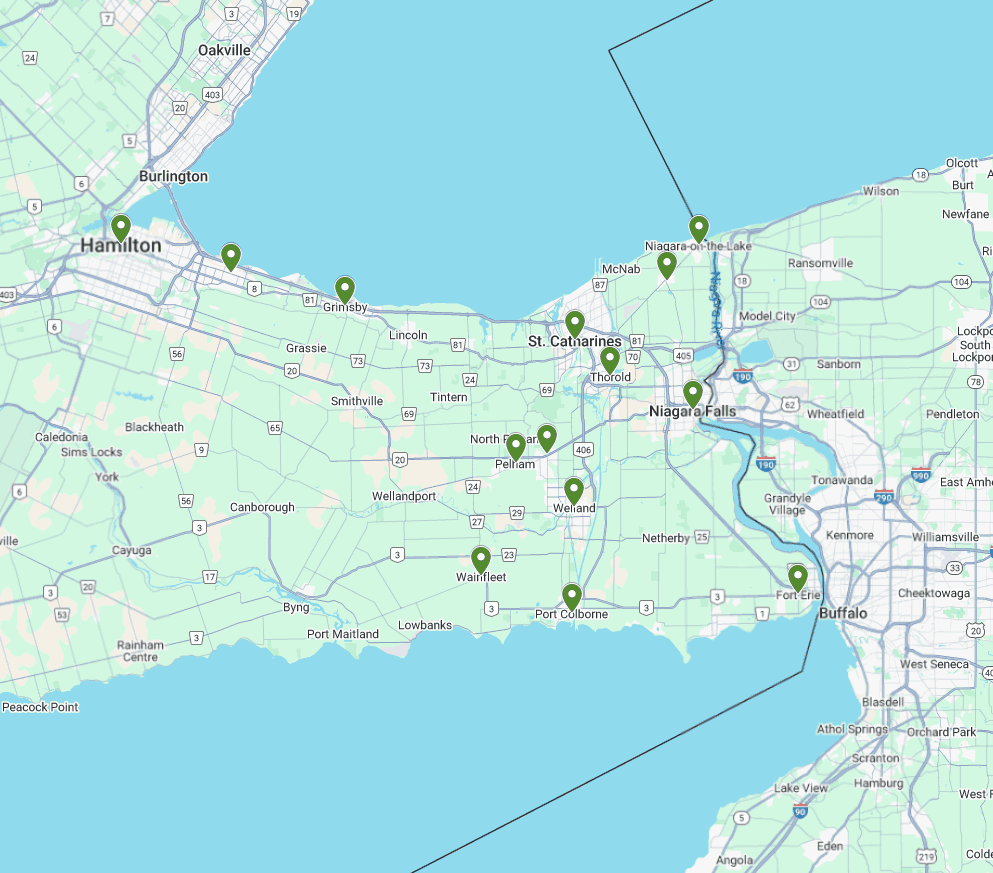
Our service areas encompass a wide range of locations, ensuring that we can meet the needs of our clients wherever they are. From bustling urban centers to serene rural landscapes, we are committed to providing top-notch services tailored to each unique environment.