



Boiler service in Fort Erie, ON provides comprehensive diagnostics, repairs, maintenance, tune‑ups, and installation coordination to keep heating systems reliable through cold winters. The page covers common Fort Erie boiler issues, diagnostic procedures, and clear repair options, along with routine maintenance plans, preventive tips, emergency availability, and credentialed technicians. It describes heat-loss calculations, system sizing, permits, and commissioning to ensure safe, efficient operation and predictable costs. We emphasize transparent pricing, annual tune-ups, and tailored options for mid- to high-efficiency boilers.
.jpeg)
Boiler Service in Fort Erie, ON
Keeping your boiler running reliably through Fort Erie’s long, cold winters is essential for comfort, safety, and energy efficiency. Whether you have an older hydronic system with cast‑iron radiators or a newer high‑efficiency boiler, comprehensive boiler service addresses common failures, prevents emergencies, and extends equipment life. It describes what full‑scope boiler service in Fort Erie looks like — diagnostics, repairs, maintenance, tune‑ups, and installation coordination — and what homeowners should expect from a professional, transparent provider.
Common boiler issues in Fort Erie homes
Fort Erie’s proximity to Lake Erie and frequent freeze–thaw cycles increase heating demand and stress on systems. Typical problems we see include:
- No heat or intermittent heating caused by failed igniters, gas valves, or control board faults.
- Low or fluctuating system pressure from leaks, faulty expansion tanks, or pressure relief valves.
- Uneven heat or cold radiators due to air in the system, failed circulator pumps, or balancing issues.
- Strange noises (popping, kettling) from sediment buildup or poor water circulation.
- Pilot or ignition failures on older units and blocked vents on tight installations.
- Corrosion and leaks on older piping, fittings, and heat exchangers, often accelerated by poor water quality.
What professional boiler diagnostics include
A thorough diagnostic separates a quick fix from a deeper issue. A standard inspection includes:
- Visual inspection of boiler body, controls, flue and venting for damage or leaks.
- Combustion and carbon monoxide checks to confirm safe operation.
- Pressure and temperature verification across the system and expansion tank condition.
- Circulator pump, zone valve, and thermostat function tests.
- Heat exchanger assessment for signs of cracking, corrosion, or blockage.
- Water quality and hardness review to identify scale buildup risk.
- Review of maintenance history and any prior service records to identify recurring faults.
Diagnostics produce a clear report that explains root causes and repair options with estimated parts and labor — supporting informed decisions rather than guessing.
Common repairs and solutions
Repairs aim to restore safe, efficient operation while avoiding short‑term fixes that cause repeat calls:
- Ignition system and gas valve replacements to restore reliable firing.
- Circulator pump and motor repairs/replacements to resolve poor circulation.
- Heat exchanger repairs or replacement recommendations when cracking or major corrosion is detected.
- Pressure relief valve and expansion tank replacement to stabilize system pressure.
- Leak repair and pipe replacement including radiator valve repairs and soldered joints.
- Flue and vent repairs to ensure proper draft and prevent CO risks.
When replacement is the best long‑term solution, we provide clear comparisons of competitive, right‑sized equipment choices.
Routine maintenance and tune‑ups
Annual service is the single best way to reduce emergency breakdowns and improve efficiency, especially in Fort Erie where the heating season is extended:
- Clean combustion chamber and burners to optimize fuel use.
- Perform combustion analysis and adjust gas/air ratio for peak efficiency.
- Inspect and test safety controls, pressure relief valves and low‑water cutoffs.
- Flush or power‑flush system as needed to remove sludge and scale.
- Bleed radiators and balance zones to eliminate cold spots.
- Lubricate moving parts, tighten electrical connections, and test thermostats and controls.
A pre‑winter tune‑up helps avoid the highest risk period when colder temperatures and higher loads reveal hidden issues.
Installation coordination and system replacement
When a boiler is at or near end of life, professional coordination ensures the new system is sized and installed correctly:
- Heat loss calculations to determine the correct boiler capacity and avoid oversizing.
- Guidance on system type (condensing vs non‑condensing, combi vs boiler + tank) based on home layout and domestic hot water needs.
- Permit and code compliance assistance, including venting and combustion air requirements for Fort Erie installations.
- Coordination of removal, disposal, and safe handling of old equipment.
- System commissioning, water treatment setup, and initial balancing to ensure optimal first‑year performance.
Emergency availability and technician credentials
Boiler failures pose safety and comfort risks. Emergency response options are available to address sudden no‑heat situations and unsafe operating conditions. Technicians assigned to boiler work carry industry credentials, including manufacturer training and province‑level qualifications, and adhere to local safety codes. Technicians are background‑checked, insured, and trained to perform combustion analysis, carbon monoxide testing, and pressure system work. Workmanship and parts are provided with clear warranty terms so you know what protection you have after a repair or installation.
Service plans and pricing transparency
Transparent pricing and predictable service plans reduce uncertainty:
- Diagnostic fees and typical price ranges for common repairs are explained before work begins.
- Membership or maintenance plans commonly include annual tune‑ups, priority service scheduling, and discounts on parts and labor.
- Estimates for replacement are itemized with equipment options, energy‑use comparisons, and long‑term cost implications.
Fort Erie homeowners benefit from knowing the expected return on investment for a mid‑efficiency vs high‑efficiency boiler and how that impacts operating costs in a colder climate.
Preventive tips for Fort Erie homeowners
Simple steps help protect your boiler during harsh weather:
- Schedule an annual tune‑up in early fall before peak heating demand.
- Keep boiler room vents clear and protect outdoor condensate drains from freezing.
- Maintain water quality with appropriate inhibitors if your system is older or showing signs of corrosion.
- Insulate exposed pipes and ensure basement vents reduce cold drafts that can hinder boiler performance.
- Monitor pressure and unusual noises as early warning signs.
Why timely boiler service matters
Proactive, professional boiler service in Fort Erie improves safety, reduces heating bills, extends equipment life, and minimizes inconvenient breakdowns during the coldest months. A well‑maintained boiler provides reliable, efficient heat when you need it most while protecting your home from the risks of leaks, carbon monoxide, and freeze‑related damage. High‑quality diagnostics, clear repair options, and sensible maintenance plans are the foundation of dependable winter comfort for Fort Erie homes.

Customer Testimonials

I had an issue with my hot water tank and called Niagara Home Heating. Their service was fantastic and reasonably priced—exactly how a business should be run!

Lifesavers!! The AC in our house decided to quit the day we were passing the keys to the new owners!! Instead of making a service call to the house, John coached me through the minor repair over the phone, saving me the money and time waiting for a repair person to come.Much appreciated! Thanks again John
Very efficient company. I needed an old solar water heater removed from my roof. They were quick to book an appointment for the next day after I sent photos. They were very knowledgeable of the issue. The 2 guys that came were friendly and competent with the job, including removal of all parts.
I called John today at 2:pm as my AC was not working and I wasn’t expecting even a call back as I knew with this hot weather we have had he would be swamped with calls. Well he called me back and showed at 8:pm on the same day to fix my AC. That is just incredible service and how much John really cares about his clients. Thank you John !
I have used Niagara Home heating for multiple projects for over 16 years. John and his staff are absolutely the best. I tell all my friends and family about Niagara Home Heating because you won’t get any better service or pricing anywhere in Niagara. He has saved me thousands and thousands of dollars and has never let me down.
We had an amazing experience getting our new furnace installed with Niagara Home Heating. The owner was very helpful, their quote was more then competitive and the technician who installed the unit was professional and friendly. I would recommend their services.

Service Areas
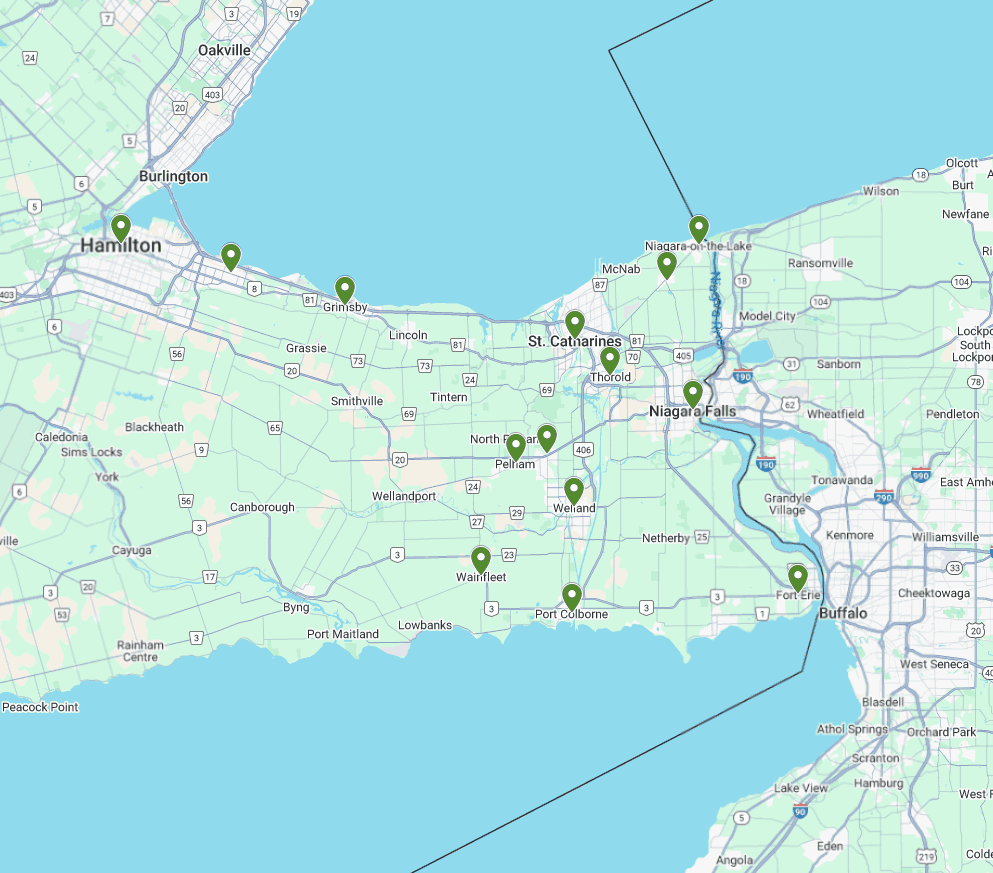
Our service areas encompass a wide range of locations, ensuring that we can meet the needs of our clients wherever they are. From bustling urban centers to serene rural landscapes, we are committed to providing top-notch services tailored to each unique environment.