



This Fort Erie page describes what to expect from 24/7 emergency furnace repair, including why furnaces fail, how technicians diagnose issues, and safety steps while heat is restored. It covers common causes, no heat, intermittent shutdowns, ignition or gas problems, and CO alarms, with on-site checks such as power and thermostat verification, burner inspection, safety switches, and venting. It describes temporary stopgaps versus permanent repairs, the emergency process, typical response times and fees, and how to request urgent help. It also highlights prevention through maintenance.
-min.jpeg)
furnace emergency-furnace-repair in Fort Erie, ON
A heating failure at night or during a Fort Erie cold snap is a true emergency. This page explains what to expect from 24/7 emergency furnace repair in Fort Erie, ON: why furnaces fail suddenly, how technicians diagnose and secure your home, what immediate safety checks you can and should perform, the difference between temporary and permanent fixes, typical response expectations, and how to request urgent help. The goal is to give clear, practical guidance so you and your family stay safe while heat is restored quickly and correctly.
Why emergency furnace repair matters in Fort Erie
Fort Erie winters can bring rapid temperature drops and heavy snow because of Lake Erie influences. Older homes along the lakeshore are common, and many properties experience ice, road salt exposure, and occasional power outages. Those local conditions increase the chance of sudden furnace problems and make fast, reliable emergency service especially important to protect pipes, pets, and occupants.
Common emergency causes and what technicians check
Emergencies usually come from a small set of common failures. Technicians use targeted diagnostics to find the root cause quickly.
Common causes
- No heat at all: could be thermostat issues, power loss, tripped breakers, or failed ignition components.
- Furnace shuts off intermittently: flame sensor, limit switch, clogged filters, or restricted airflow.
- Blower runs but no heat: ignition or gas valve failure.
- Strange noises or vibration: worn blower motor, loose components, or collapsed ductwork.
- Gas smell or pilot light issues: gas leaks, faulty valves, or pilot/ignition problems.
- Carbon monoxide alarm activation: cracked heat exchanger or blocked flue/venting.
Typical on-site diagnostics
- Confirm power and thermostat settings.
- Visual inspection of burners, ignition, wiring, and filters.
- Test safety switches, pressure switches, and limit controls.
- Check venting and exhaust for blockages (especially after storms or heavy snow).
- CO testing with electronic detectors when any combustion issue is suspected.
Immediate safety checks and carbon monoxide precautions
Safety is the first priority. If you suspect a dangerous condition, act promptly.
Quick checks you can do safely
- Verify your carbon monoxide and smoke alarms are functioning and have fresh batteries.
- Smell for natural gas near the furnace or gas lines. If you detect gas, leave the home immediately and contact emergency services.
- Look for visible signs of flame instability, soot, or black staining around the furnace or flue.
- Make sure supply vents are not blocked and that filters are not heavily clogged.
If a CO alarm is sounding or you feel dizzy, nauseous, or have headaches
- Evacuate everyone, including pets, to fresh air right away.
- Open doors and windows only if it is safe to do so while exiting.
- Seek medical attention if anyone is symptomatic.
- Do not stay inside to troubleshoot or restart the furnace.
Do not attempt risky repairs
- Do not open gas valves, attempt welding, or perform electrical work unless you are certified to do so. These actions can make an emergency far worse.
Temporary versus permanent repair options
Emergency technicians focus on restoring safe, reliable heat quickly. That can mean a temporary measure to buy time, or a permanent repair or replacement.
Examples of temporary (stopgap) measures
- Resetting control boards or circuit breakers to restore operation.
- Cleaning or briefly bypassing a dirty flame sensor to get the furnace running until a full cleaning can be scheduled.
- Replacing readily available small parts like fuses, thermostats, or limit switches to restore heat for the night.
- Clearing minor vent blockages or snow around intake/exhaust vents.
Limitations of temporary fixes
- They are intended to restore heat safely in the short term and are not always as reliable as a permanent fix.
- Some temporary bypasses reduce system protections; technicians will explain the risks and next steps.
Permanent repair or replacement actions
- Replacing failed ignition modules, heat exchangers, or blower motors.
- Repairing or replacing cracked exchangers or severely corroded components that cause CO risk.
- Full furnace replacement when repairs are unsafe or not cost effective.
Emergency response process and what to expect
When you request emergency furnace repair, expect an organized procedure designed for safety and speed.
Typical process
Technicians should arrive equipped to protect your home, explain findings in plain language, and document recommendations.
Typical response times and service fees
Local emergency response varies with weather and call volume. In Fort Erie, many emergency HVAC services aim to respond rapidly.
What to expect
- Typical arrival windows for 24/7 emergency service often range from about 60 to 90 minutes for high-priority calls under normal conditions.
- During severe storms, after major outages, or peak demand periods, response times can be longer.
Service fees
- Emergency calls often include a dispatch or after-hours fee, and a diagnostic fee that may be applied toward repair cost if you proceed.
- Parts and labor for repairs are billed separately and a written estimate should be provided for significant work.
- Always confirm billing terms and payment options with the provider before work begins.
How to request urgent help (what information to have ready)
When you contact emergency repair services, having accurate information speeds up the response.
Provide
- Your full address in Fort Erie and any access instructions.
- Furnace make, model, and age if available.
- A clear description of symptoms (no heat, strange smell, alarms, noises).
- Whether anyone in the home is experiencing symptoms consistent with CO exposure.
- Your availability and whether pets or vulnerable occupants need special handling.
Expect the dispatcher to give basic safety instructions and to ask whether it is safe for the technician to enter on arrival.
Preventing future emergencies
The best way to avoid late-night emergencies is proactive maintenance tailored to Fort Erie conditions.
Recommended preventive steps
- Schedule fall furnace tune-ups and safety inspections before cold weather arrives.
- Replace filters regularly and keep return vents clear.
- Keep outdoor venting and combustion air intakes free of snow and debris during winter storms.
- Install and maintain CO detectors on every level and near sleeping areas.
- Consider a secondary backup heat source or generator if you live in an area prone to outages.
Emergency furnace repair in Fort Erie is about fast, safe restoration of heat and clear advice on lasting solutions. Proper safety checks, informed diagnostics, and transparent options let you choose the best permanent repair to protect your home and family through the winter months.

Customer Testimonials

I have used Niagara Home heating for multiple projects for over 16 years. John and his staff are absolutely the best. I tell all my friends and family about Niagara Home Heating because you won’t get any better service or pricing anywhere in Niagara. He has saved me thousands and thousands of dollars and has never let me down.

I had an issue with my hot water tank and called Niagara Home Heating. Their service was fantastic and reasonably priced—exactly how a business should be run!
We had an amazing experience getting our new furnace installed with Niagara Home Heating. The owner was very helpful, their quote was more then competitive and the technician who installed the unit was professional and friendly. I would recommend their services.
Lifesavers!! The AC in our house decided to quit the day we were passing the keys to the new owners!! Instead of making a service call to the house, John coached me through the minor repair over the phone, saving me the money and time waiting for a repair person to come.Much appreciated! Thanks again John
I called John today at 2:pm as my AC was not working and I wasn’t expecting even a call back as I knew with this hot weather we have had he would be swamped with calls. Well he called me back and showed at 8:pm on the same day to fix my AC. That is just incredible service and how much John really cares about his clients. Thank you John !
Very efficient company. I needed an old solar water heater removed from my roof. They were quick to book an appointment for the next day after I sent photos. They were very knowledgeable of the issue. The 2 guys that came were friendly and competent with the job, including removal of all parts.

Service Areas
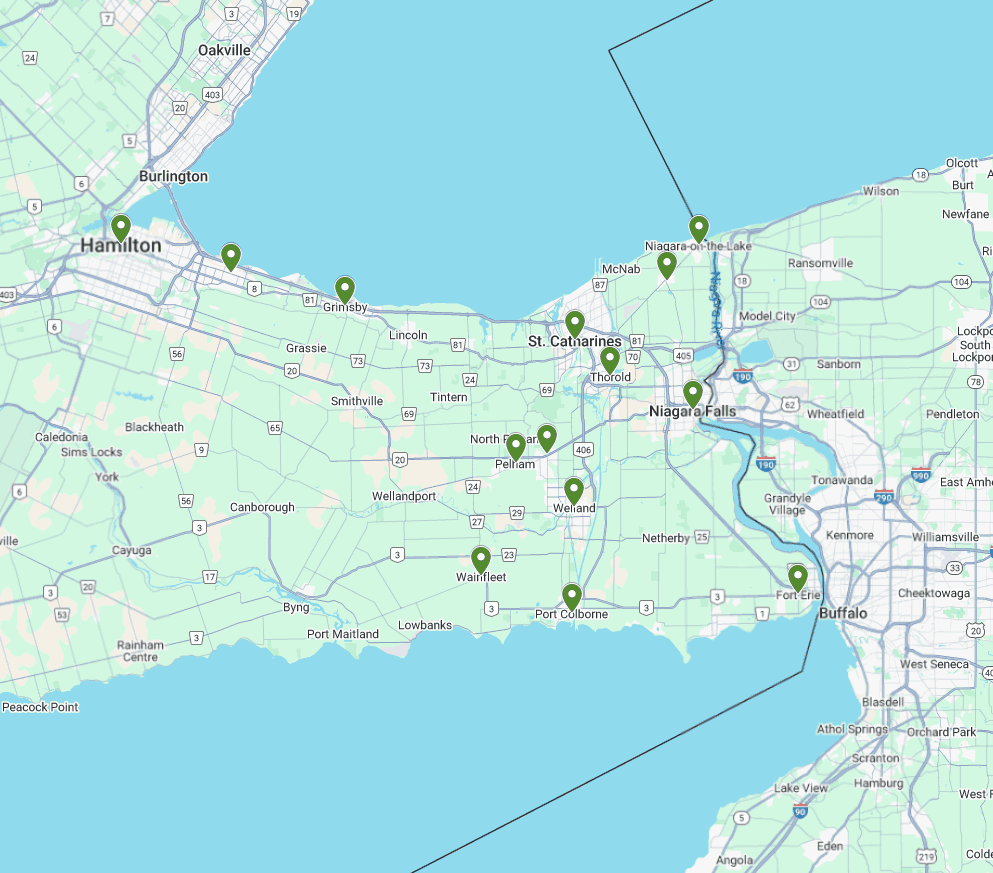
Our service areas encompass a wide range of locations, ensuring that we can meet the needs of our clients wherever they are. From bustling urban centers to serene rural landscapes, we are committed to providing top-notch services tailored to each unique environment.