



Fort Erie heating repair guidance describes common furnace and boiler issues, diagnostic steps, and practical solutions to restore comfort quickly. It explains why timely service matters for cold, high-demand periods and safety, then inventories typical failures, from ignition and heat exchange problems to dirty filters and duct restrictions. The article details on-site diagnosis, parts replacement, emergency 24/7 options, and transparent pricing, warranties, and technician qualifications, plus homeowner troubleshooting tips and guidance for arranging same-day service and long-term reliability.
.jpeg)
Heating repair in Fort Erie, ON
When your home’s heating fails in Fort Erie, ON, the disruption is immediate and urgent. Winters on the Niagara Peninsula bring cold snaps, lake-influenced winds, and heavy snow at times, so a reliable heating system is essential. It describes common furnace and boiler problems in Fort Erie homes, how technicians diagnose issues, typical repairs and parts replacement, emergency and 24/7 response options, transparent pricing and warranties, technician qualifications, homeowner troubleshooting tips, and what to expect when requesting same-day service.
Why timely heating repair matters in Fort Erie
Fort Erie residents face periods of sustained cold and variable weather caused by Lake Erie. That leads to higher heating loads, frequent cycling, and increased wear on older equipment. Delaying repairs can result in higher energy bills, frozen pipes, and safety risks such as carbon monoxide exposure on gas systems. Quick, professional repairs restore comfort, improve efficiency, and reduce the chance of repeat failures during peak demand.
Common heating problems in Fort Erie homes
- Furnace won’t start or keeps short-cycling - often due to dirty filters, flame sensor or limit switch failure, or thermostat issues.
- Weak or uneven heat - blocked ducts, failing blower motors, or flame rollout can cause cool rooms.
- Pilot light or ignition failures - standing pilot outages or intermittent electronic ignition faults on gas furnaces and boilers.
- Strange noises - banging, rattling, or squealing point to loose components, belt or motor issues, or delayed ignition.
- Boiler leaks or low pressure - corroded fittings, pressure relief valve faults, or failed seals.
- Frequent shutdowns and error codes - control board faults, safety switches tripping, or blocked flues.
- Excessive dust or odor - often from clogged filters, combustion issues, or neglected flue cleaning.
- High energy bills despite normal function - reduced efficiency from worn heat exchangers, burners, or poor combustion tuning.
How technicians diagnose heating problems
Technicians follow structured diagnostic steps to find the root cause efficiently:
- Visual and audible inspection - checking vents, flues, burners, wiring, and mounting.
- System history and symptom review - asking when the issue started, recent storms, or maintenance history.
- Safety checks - testing carbon monoxide levels, gas pressure, and electrical safety before proceeding.
- Component testing - measuring limit switches, transformers, thermostats, and control boards with meters.
- Airflow and combustion analysis - inspecting filters, ductwork, blower performance, and performing combustion efficiency checks where applicable.
- Pressure and leak testing for boilers - checking expansion tanks, valves, and piping for corrosion or leaks.
These diagnostics minimize guesswork and focus repairs where they will be most effective.
Typical repair solutions and parts replacement
Repairs are tailored to the diagnosis but commonly include:
- Filter replacement and duct cleaning to restore airflow and efficiency.
- Thermostat recalibration or replacement for control accuracy.
- Ignition system repair - replacing hot surface ignitors or pilot components.
- Blower motor repair or replacement, including belts and capacitors.
- Heat exchanger inspection and repair recommendations; replacement if cracked or corroded.
- Control board replacement or firmware resets for modern systems.
- Combustion tuning and burner cleaning for gas-fired furnaces and boilers.
- Valve, pressure relief, circulator pump, and seal replacement for boiler repairs.
- Flue and vent repairs to ensure safe exhaust and prevent CO buildup.
Parts commonly stocked include filters, ignitors, thermostats, belts, capacitors, blower motors, control boards, gas valves, pressure switches, circulator pumps, and common plumbing fittings for boilers.
Emergency and rapid-response options, including 24/7 furnace repair
Cold weather means heating failures can turn into emergencies. Emergency response protocols for Fort Erie typically include:
- Rapid-dispatch teams during cold snaps to restore temporary heat or perform permanent repairs.
- 24/7 furnace repair availability for loss-of-heat situations and suspected carbon monoxide issues.
- Triage over the phone to prioritize safety concerns and provide temporary troubleshooting steps.
- Temporary measures such as furnace bypass, space heater guidance, or shutting off gas safely until repair.
Rapid response reduces exposure to freezing temperatures and the risk of further system damage.
Transparent pricing and estimates
Transparent heating repair practice includes:
- Clear, written estimates before work begins outlining parts, labor, and warranty terms.
- Itemized invoices showing diagnostic fees, parts replaced, and labor hours.
- Explanations of repair vs replace options with the pros and cons for older systems.
- Upfront disclosure of any additional charges that could occur if further issues are uncovered.
Service guarantees and warranty on repairs
Professional repair services provide peace of mind through:
- Labor guarantees for a defined period after repair, covering workmanship defects.
- Manufacturer or parts warranties on replacement components.
- Commitment to re-inspect if the same issue recurs within the warranty window.
Always confirm warranty duration and what is covered for both parts and labor.
Technician qualifications and safety standards
Qualified heating technicians serving Fort Erie typically have:
- Gas technician certification for safe handling of natural gas and propane systems.
- HVAC certification and continuous training on modern controls and high-efficiency equipment.
- Experience with both forced-air furnaces and hydronic boiler systems common in older Niagara Peninsula homes.
- Proper safety procedures for carbon monoxide testing, combustion analysis, and electrical work.
Technicians should carry identification, use protective coverings inside homes, and explain findings in plain language.
Troubleshooting tips Fort Erie homeowners can try
- Check the thermostat - confirm it’s on heat, set above room temperature, and has fresh batteries if battery powered.
- Replace or inspect the furnace filter - a clogged filter can cause many performance issues.
- Ensure vents and returns are unobstructed and registers are open.
- Look for error codes on furnace displays and note any unusual noises or smells.
- If you suspect a gas leak or carbon monoxide alarm sounds, evacuate immediately and contact emergency services.
These steps can help while waiting for a professional and may avoid unnecessary service calls.
How same-day service scheduling typically works
For same-day service requests in Fort Erie, be prepared to provide:
- Brief description of symptoms and when they started.
- Equipment type and approximate age (furnace, boiler, make/model if known).
- Any safety concerns like CO alarms or gas smell.
- Preferred access times and address details.
Dispatch centers prioritize safety issues and heavy cold-weather demand. On the day of service, expect a technician to confirm arrival window, perform diagnostics on site, present repair options with estimates, and proceed only after authorization.
Closing: long-term benefits of timely repair
Prompt, professional heating repair in Fort Erie restores comfort, reduces operating costs, and extends equipment life. Addressing issues early prevents seasonal emergencies, maintains safety, and keeps your home prepared for Niagara Peninsula winters. Regular maintenance combined with timely repairs is the most reliable way to ensure steady heat when you need it most.

Customer Testimonials

I called John today at 2:pm as my AC was not working and I wasn’t expecting even a call back as I knew with this hot weather we have had he would be swamped with calls. Well he called me back and showed at 8:pm on the same day to fix my AC. That is just incredible service and how much John really cares about his clients. Thank you John !

We had an amazing experience getting our new furnace installed with Niagara Home Heating. The owner was very helpful, their quote was more then competitive and the technician who installed the unit was professional and friendly. I would recommend their services.
Very efficient company. I needed an old solar water heater removed from my roof. They were quick to book an appointment for the next day after I sent photos. They were very knowledgeable of the issue. The 2 guys that came were friendly and competent with the job, including removal of all parts.
I had an issue with my hot water tank and called Niagara Home Heating. Their service was fantastic and reasonably priced—exactly how a business should be run!
Lifesavers!! The AC in our house decided to quit the day we were passing the keys to the new owners!! Instead of making a service call to the house, John coached me through the minor repair over the phone, saving me the money and time waiting for a repair person to come.Much appreciated! Thanks again John
I have used Niagara Home heating for multiple projects for over 16 years. John and his staff are absolutely the best. I tell all my friends and family about Niagara Home Heating because you won’t get any better service or pricing anywhere in Niagara. He has saved me thousands and thousands of dollars and has never let me down.

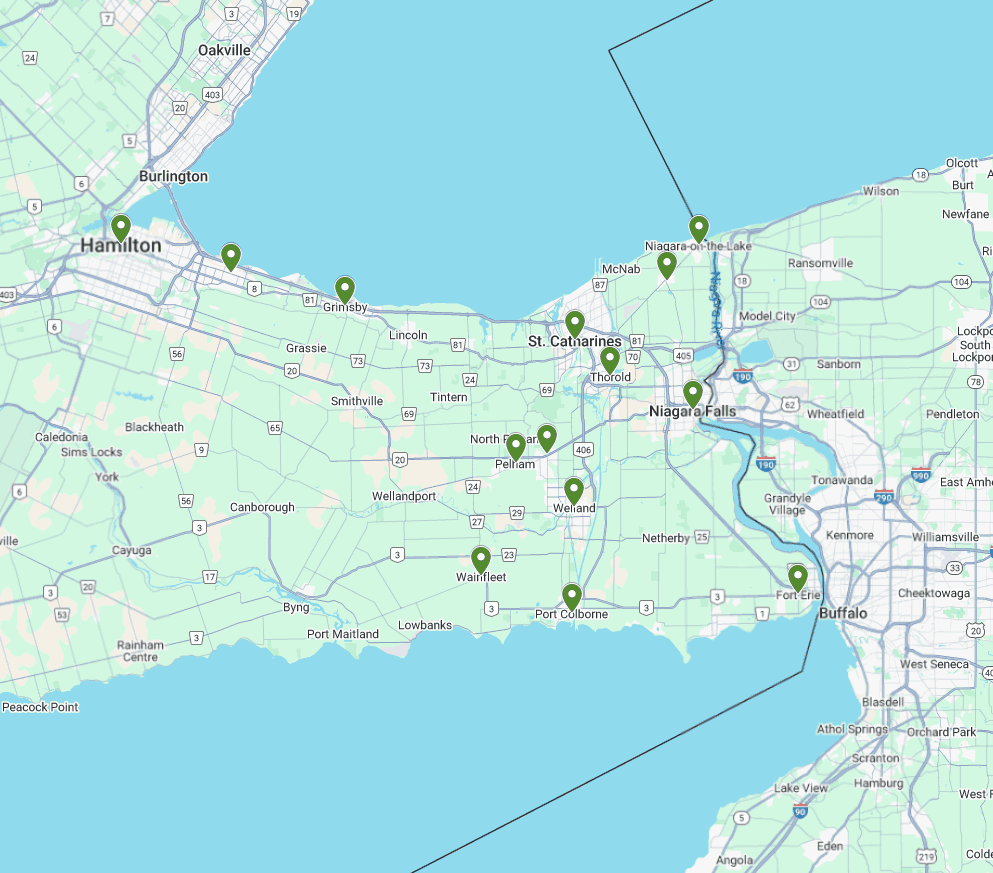
Service Areas
Our service areas encompass a wide range of locations, ensuring that we can meet the needs of our clients wherever they are. From bustling urban centers to serene rural landscapes, we are committed to providing top-notch services tailored to each unique environment.