



It describes comprehensive furnace repair services for Fort Erie, ON, detailing diagnostic steps, common faults, and transparent pricing. It describes how technicians identify issues such as ignition or blower problems, heat exchanger concerns, and airflow restrictions, then perform safe, efficient repairs or replacements. Readers learn what to expect during diagnostics, including itemized estimates and warranty terms. It also guides when repair is sensible versus replacing the unit, and offers practical maintenance tips to extend system life and reduce outages.
-min.jpeg)
Furnace Repair in Fort Erie, ON
Keeping your furnace reliable through Fort Erie’s cold, lake-effect winters is essential for comfort, safety, and energy costs. Whether you have a routine tune-up need or an urgent, complex repair, precise diagnostics and skilled component replacement (ignition systems, blowers, thermostats, control boards and more) restore dependable heat quickly. This page explains what to expect during furnace repair in Fort Erie, ON — common faults and fixes, how technicians diagnose problems, transparent pricing and warranty practices, and clear guidance on when replacement is the better long-term choice.
Why local Fort Erie homes need timely furnace repair
Fort Erie sees harsh cold snaps, driving heavy run-times and salt-laden air that can accelerate corrosion on outdoor vents and components. High humidity swings and freeze-thaw cycles also increase wear on seals and electrical connections. Addressing furnace problems early prevents safety issues like carbon monoxide risk, reduces emergency calls on the coldest days, and saves money by restoring efficiency before bills spike.
Common furnace problems in Fort Erie and what they mean
- No heat or intermittent heat: often caused by failed ignitors, clogged burners, or ignition control failures. High-efficiency condensing furnaces can also have condensate trap or drain issues in cold weather.
- Short cycling (turning on and off rapidly): usually due to a dirty air filter, restricted airflow, faulty limit switch, or failing thermostat.
- Weak or uneven airflow: blower motor wear, failed blower capacitor, blocked return vents, or duct leaks.
- Loud or unusual noises: grinding or squealing indicates blower motor or belt problems; banging or popping can mean delayed ignition or duct expansion.
- Pilot light or ignition failure: modern systems use hot surface ignitors that crack or sensors that become fouled.
- Noisy startup/shutdown or long runtimes: could point to control board issues, dirty flame sensor, or failing gas valve.
- Safety alarms or soot/odors: possible combustion issues, cracked heat exchanger, or venting problems — these require immediate inspection.
How diagnostics work — clear, safety-first process
Technicians follow a consistent diagnostic routine to isolate the cause and produce an accurate, itemized repair estimate:
Diagnostics are performed with homeowner safety and transparency in mind. If an immediate safety hazard is found, it is identified and explained before any further work proceeds.
Typical repairs and component replacements explained
- Ignition systems (hot surface ignitor, flame sensor): symptoms include no heat or delayed ignition. Replacing a cracked ignitor or cleaning/replacing a flame sensor restores reliable startup.
- Blower motors and capacitors: weak airflow, loud bearings, or blower failure are repaired by replacing motors, bearings or capacitors and balancing the fan assembly.
- Thermostats and wiring: inaccurate temperatures and cycling issues often come from thermostat calibration or wiring faults; upgrades or replacements correct control errors.
- Control boards and relays: intermittent function, error codes, or failed sequencing are commonly traced to damaged circuit boards or relays which are replaced and reprogrammed.
- Gas valves and burners: poor combustion or low flame is repaired with valve cleaning/replacement and burner servicing.
- Condensate traps and drains (high-efficiency furnaces): frozen or clogged traps cause shutdowns; clearing or replacing traps prevents nuisance failures.
- Heat exchanger concerns: visible cracks or severe corrosion may warrant immediate replacement due to safety risks.
Examples of typical fixes:
- Broken hot surface ignitor replaced to restore ignition.
- Blower capacitor swapped and blower motor lubricated to eliminate weak airflow and noise.
- Dirty flame sensor cleaned and flame stabilized to stop short cycling.
- Control board replaced after repeated electronic failures and error codes.
Transparent pricing and warranty coverage
Fort Erie customers receive itemized estimates that separate parts, labor and diagnostic fees so you know exactly what you are paying for. A diagnostic fee is often credited toward the repair if you proceed. Parts and labor are backed by a written warranty; specific terms vary by component and manufacturer, but all estimates include clear warranty details up front so there are no surprises. For safety-related repairs (for example, heat exchanger or venting issues) the cost assessment will prioritize urgent solutions and document the reasoning.
When to repair vs. when to replace
Consider replacement when:
- The furnace is older than 15 years and showing repeated issues.
- Repair costs total more than roughly 50% of the cost of a modern replacement.
- The heat exchanger is cracked or shows significant corrosion (safety concern).
- Energy bills are climbing despite repairs — older systems can be far less efficient than current models.
- Major components are obsolete or repeatedly failing, making ongoing repairs impractical.
A properly diagnosed repair can extend service life and restore efficiency, but replacement is usually the best value when safety, reliability and energy savings are priorities.
Seasonal maintenance and practical tips for Fort Erie homes
- Schedule an annual pre-winter inspection and tune-up to catch wear before peak demand.
- Replace air filters monthly to prevent short cycling and keep blowers healthy.
- Keep outdoor intakes and exhausts free of snow, leaves and road salt buildup common near Lake Erie.
- Maintain carbon monoxide detectors and ensure vents and chimneys are clear.
- Seal and insulate ducts where possible to reduce heat loss in older Fort Erie homes.
Timely repair and regular maintenance preserve comfort, lower energy costs and reduce the chance of emergency failures on the coldest nights. Proper diagnostics, transparent pricing, and warranty-backed repairs make furnace service in Fort Erie, ON a smart investment in home safety and year-round comfort.

Customer Testimonials

I called John today at 2:pm as my AC was not working and I wasn’t expecting even a call back as I knew with this hot weather we have had he would be swamped with calls. Well he called me back and showed at 8:pm on the same day to fix my AC. That is just incredible service and how much John really cares about his clients. Thank you John !

Lifesavers!! The AC in our house decided to quit the day we were passing the keys to the new owners!! Instead of making a service call to the house, John coached me through the minor repair over the phone, saving me the money and time waiting for a repair person to come.Much appreciated! Thanks again John
We had an amazing experience getting our new furnace installed with Niagara Home Heating. The owner was very helpful, their quote was more then competitive and the technician who installed the unit was professional and friendly. I would recommend their services.
I had an issue with my hot water tank and called Niagara Home Heating. Their service was fantastic and reasonably priced—exactly how a business should be run!
I have used Niagara Home heating for multiple projects for over 16 years. John and his staff are absolutely the best. I tell all my friends and family about Niagara Home Heating because you won’t get any better service or pricing anywhere in Niagara. He has saved me thousands and thousands of dollars and has never let me down.
Very efficient company. I needed an old solar water heater removed from my roof. They were quick to book an appointment for the next day after I sent photos. They were very knowledgeable of the issue. The 2 guys that came were friendly and competent with the job, including removal of all parts.

Service Areas
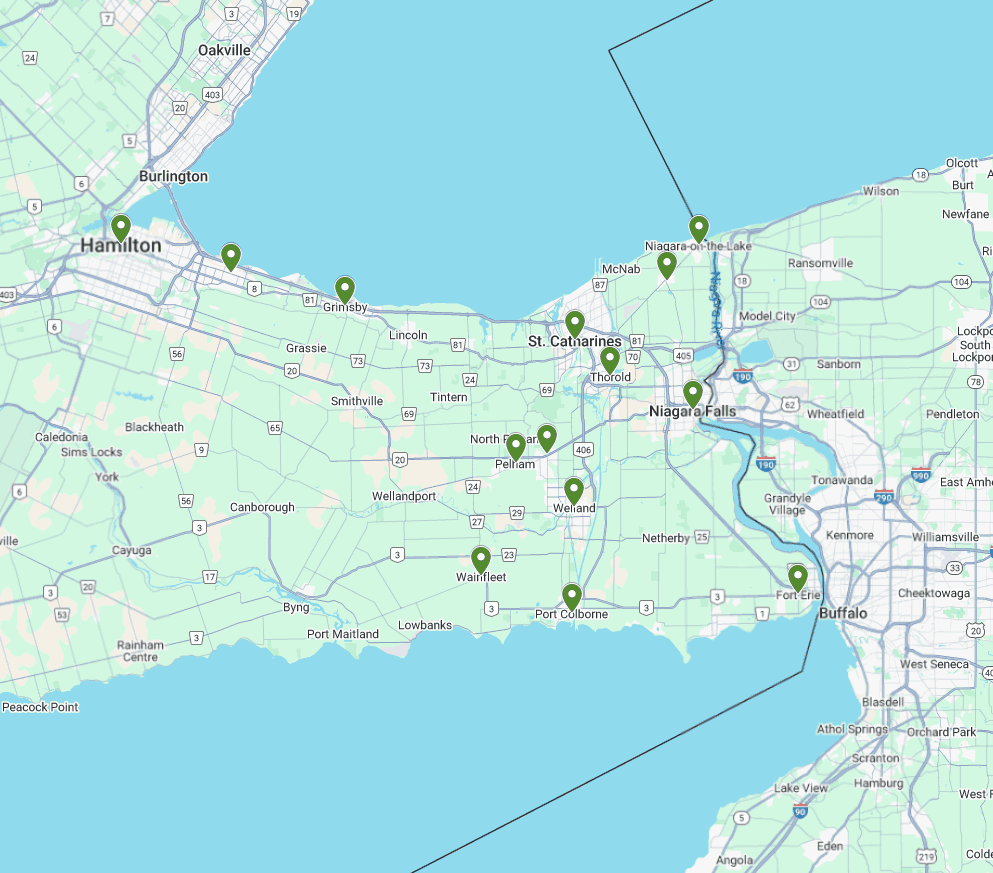
Our service areas encompass a wide range of locations, ensuring that we can meet the needs of our clients wherever they are. From bustling urban centers to serene rural landscapes, we are committed to providing top-notch services tailored to each unique environment.