



Fort Erie furnace tune-ups protect comfort, safety, and long-term equipment value by keeping heating systems reliable through cold seasons. This service addresses common wear, improves efficiency, reduces mid-winter failures, and lowers energy bills. A thorough tune-up follows a strict checklist from filters and burners to safety controls and ductwork, ensuring reliable startup and performance. Expect a 60 to 90 minute visit, with clear findings, maintenance recommendations, and guidance on scheduling future service to extend furnace life and peace of mind.
-min.jpeg)
furnace tune-up in Fort Erie, ON
A professional furnace tune-up in Fort Erie, ON keeps your heating system running safely, efficiently, and reliably through long, cold winters. Fort Erie homes face extended heating seasons, lake effect weather and higher humidity that can accelerate wear on components. A thorough tune-up addresses common problems before they become breakdowns, improves comfort, and helps reduce energy use — all important for homeowners who rely on their furnace daily.
Why a furnace tune-up matters in Fort Erie homes
- Fort Erie winters are cold and often unpredictable, which increases run time and component stress.
- Proximity to Lake Erie brings humid air and salt spray at times, contributing to corrosion and faster degradation of metal parts.
- Older houses in the region commonly have legacy ductwork and vintage furnaces that benefit most from preventive service.
A tune-up restores safe operation, reduces the chance of mid-winter failure, and helps lower monthly heating bills by ensuring the system runs efficiently.
Typical furnace tune-up checklist
A reliable tune-up follows a point-by-point checklist so nothing is missed. Common furnace tune-up items include:
- Air filter inspection and replacement: Check filter condition and replace or recommend the correct size and MERV rating. Dirty filters restrict airflow, lower efficiency, and raise operating temperatures.
- Burner and heat exchanger inspection: Clean burners, inspect for proper flame pattern, and visually check the heat exchanger for cracks, corrosion or soot buildup that can indicate combustion problems or CO risk.
- Ignition and pilot system check: Test electronic ignition or pilot light for reliable start-up and correct flame sensing.
- Thermostat calibration and performance: Verify the thermostat reads accurately, confirm setpoints match room temperature, and test programmable features for correct cycling.
- Lubrication: Lubricate motors, bearings and moving parts where applicable to reduce friction and extend component life.
- Blower and motor service: Clean blower wheel, inspect motor mounts, measure amp draw, and confirm proper airflow.
- Safety controls testing: Test limit switches, pressure switches, flame rollout sensors and any interlocks to ensure fail-safe operation.
- Exhaust and venting inspection: Check flue, chimney or PVC venting for obstructions, corrosion, proper pitch and secure connections.
- Ignition and gas pressure verification: Confirm gas valve operation and combustion pressure within manufacturer tolerances (where applicable and safe to measure).
- Ductwork and vent registers check: Inspect accessible ducts for visible leaks, disconnected joints, and blocked registers.
- System run test and performance verification: Run the system through a full heat cycle and measure temperature rise, cycle times and listen for abnormal noises.
What to expect during a service visit
- Estimated time: Most routine furnace tune-ups take about 60 to 90 minutes for a single residential unit. Older systems or additional diagnostic work can extend the visit to 2 hours.
- Arrival and preparation: Technician powers down the unit, places protective coverings, and inspects the installation area.
- Inspection and cleaning: Components are cleaned and inspected per the checklist. Measurements and adjustments are recorded.
- Testing and verification: Safety devices and controls are tested, the unit is put through operation cycles, and final readings are compared to manufacturer specifications.
- Summary and recommendations: You receive a clear, non-technical explanation of findings, items needing repair or replacement, and maintenance recommendations.
Expected performance improvements
After a proper tune-up you can typically expect:
- Improved heating efficiency, commonly 5 to 15 percent depending on prior maintenance level.
- More consistent indoor temperatures and faster recovery after setbacks.
- Quieter operation due to tightened or lubricated components.
- Reduced likelihood of unexpected mid-winter failures.
- Lower risk of safety issues such as carbon monoxide from cracked heat exchangers or improper combustion.
- Longer equipment life and delayed need for replacement if repairs are made promptly.
Common issues found in Fort Erie tune-ups and solutions
- Clogged filters and poor airflow: Replace filter, advise on proper filter size and replacement schedule.
- Sooty burners or uneven flame: Clean or replace burners, adjust gas/air mixture.
- Corrosion on venting or heat exchanger: If minor, clean and monitor; if severe or cracked heat exchanger is found, recommend replacement of the furnace due to safety risk.
- Thermostat errors: Recalibrate or recommend replacement with a modern programmable/Smart thermostat for better control and savings.
- Duct leaks and drafts: Identify visible leaks and recommend sealing or further ductwork evaluation to improve efficiency and comfort.
Recommended frequency for furnace tune-ups
- Annual tune-up: Strongly recommended for all gas or oil furnaces; schedule before the heating season (September to early October) so the system is ready when temperatures drop.
- Biannual check: Consider a mid-season check for older systems (over 15 years), high-use homes, or units serving larger properties.
- Filter changes: Replace or check disposable filters every 1 to 3 months depending on filter type, pets, and indoor air quality. High-efficiency filters may need more frequent checks due to greater particle capture.
Maintenance tips to protect your investment
- Keep the area around the furnace clear and dry to prevent moisture-related corrosion common in lakeside climates.
- Install and maintain carbon monoxide detectors on each floor and test them regularly.
- Bleed or purge humidifiers if present to avoid mineral buildup and microbial growth.
- Seal drafts and insulate exposed ducts in unheated spaces to reduce heat loss and cycling stress.
- Track system runtime and note unusual noises or odors between services so issues can be diagnosed early.
A professional furnace tune-up in Fort Erie, ON is a practical, cost-effective way to protect comfort, safety and the long-term value of your heating system. Regular maintenance prevents small problems from turning into costly repairs, helps control heating expenses, and ensures your home stays warm and safe through the coldest months.

Customer Testimonials

Lifesavers!! The AC in our house decided to quit the day we were passing the keys to the new owners!! Instead of making a service call to the house, John coached me through the minor repair over the phone, saving me the money and time waiting for a repair person to come.Much appreciated! Thanks again John

I called John today at 2:pm as my AC was not working and I wasn’t expecting even a call back as I knew with this hot weather we have had he would be swamped with calls. Well he called me back and showed at 8:pm on the same day to fix my AC. That is just incredible service and how much John really cares about his clients. Thank you John !
We had an amazing experience getting our new furnace installed with Niagara Home Heating. The owner was very helpful, their quote was more then competitive and the technician who installed the unit was professional and friendly. I would recommend their services.
I had an issue with my hot water tank and called Niagara Home Heating. Their service was fantastic and reasonably priced—exactly how a business should be run!
Very efficient company. I needed an old solar water heater removed from my roof. They were quick to book an appointment for the next day after I sent photos. They were very knowledgeable of the issue. The 2 guys that came were friendly and competent with the job, including removal of all parts.
I have used Niagara Home heating for multiple projects for over 16 years. John and his staff are absolutely the best. I tell all my friends and family about Niagara Home Heating because you won’t get any better service or pricing anywhere in Niagara. He has saved me thousands and thousands of dollars and has never let me down.

Service Areas
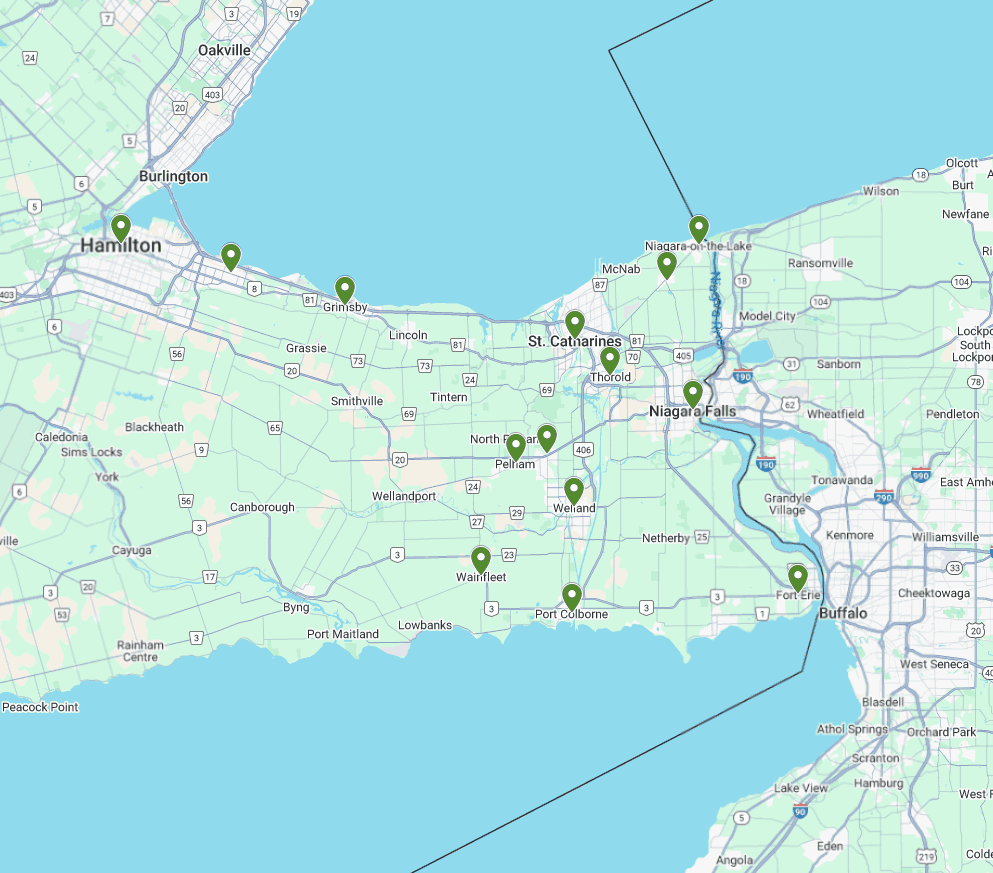
Our service areas encompass a wide range of locations, ensuring that we can meet the needs of our clients wherever they are. From bustling urban centers to serene rural landscapes, we are committed to providing top-notch services tailored to each unique environment.