



Emergency furnace repair in Welland, ON is available 24/7 with rapid-response triage and on-site diagnosis to restore heat safely. It describes common emergency scenarios, the on-site diagnostic steps technicians perform, and the distinction between temporary fixes and permanent solutions. It covers safety protocols, including carbon monoxide checks, gas-leak responses, and PPE requirements, as well as expected response times and how to request urgent service. Preventive measures and aftercare recommendations help reduce future emergencies and maintain reliable warmth.
-min.jpeg)
furnace emergency-furnace-repair in Welland, ON
When your furnace fails in the middle of a Welland winter, it is more than an inconvenience — it can be a safety and comfort emergency. This page explains 24/7 emergency furnace repair in Welland, ON: how rapid-response teams triage calls, what technicians check on-site, temporary fixes to keep your household safe and warm, permanent repair options, safety protocols (including carbon monoxide checks), realistic response expectations, and what information to have ready when requesting urgent service.
Why 24/7 emergency furnace repair matters in Welland, ON
Welland and the Niagara region experience cold snaps, lake-effect wind and snow, and homes with basements where furnaces are commonly located. Low outdoor temperatures increase the risk of frozen pipes and rapid indoor heat loss. Quick, professional intervention protects vulnerable residents, prevents secondary damage (frozen pipes, burst valves), and ensures combustion appliances are operating safely.
Common emergency furnace scenarios in Welland
- Complete system failure / No heat — furnace won’t fire or blower won’t run. Typical causes: failed ignition, control board fault, or electrical supply issue.
- Safety shutoffs and frequent lockouts — high-limit trips, flame sense problems, or pressure switch faults causing repeated shutdowns.
- Carbon monoxide alarm activation — requires immediate evacuation and professional testing; never ignore.
- Gas smells or suspected leak — treat as an emergency until proven otherwise.
- Strange smells or smoke — can indicate electrical faults or overheating components.
- Frozen condensate line (high-efficiency furnaces) — leads to pressure switch faults and shutdowns in cold weather.
- Blower motor or fan failure — heat present but air not circulating.
- Rapid cycling or loud abnormal noises — potential failing components or airflow restrictions that risk further damage.
Rapid-response procedures for 24/7 emergency furnace repair
On-site diagnostic steps technicians perform
- Visual and auditory inspection of the furnace and surrounding area.
- Confirm power to the unit and verify thermostat function.
- Check error codes and control board indicators.
- Inspect ignition system (pilot, hot surface igniter, flame sensor).
- Test gas valve operation and gas pressure if safe and permitted.
- Evaluate airflow: filter condition, supply/return vents, blower operation.
- Inspect venting and flue for blockages or spillage.
- Test safety switches and limit controls.
- Perform combustion analysis and carbon monoxide testing when combustion appliance issues or alarms are present.
- Confirm condensate line and pressure switch operation on high-efficiency units.
Temporary vs permanent repair solutions
- Temporary solutions are aimed at restoring safe operation quickly while minimizing downtime:
- Resetting tripped breakers or control board following diagnostic confirmation.
- Replacing a plug-in fuse, swapping to a temporary blower capacitor, or installing a replacement igniter if carried in-stock.
- Clearing condensate blockage or thawing lines safely.
- Isolating a defective zone or disabling a malfunctioning fan until replacement parts arrive.
- Permanent solutions restore long-term reliability:
- Replacing failed ignition modules, control boards, gas valves, or blower motors.
- Repairing or replacing cracked heat exchangers (note: heat exchanger replacement is major; often leads to system replacement advice due to safety and cost).
- Correcting venting issues, replacing damaged flue components, and completing comprehensive combustion tuning.
- When repeated failures occur or efficiency is poor, full furnace replacement may be the safest, most economical long-term option.
Safety protocols including carbon monoxide checks
- If a CO alarm is sounding, evacuate the home immediately and keep windows and doors open if safe to do so. Notify emergency services as required.
- Technicians use calibrated CO meters and combustion analyzers to measure flue gases and check for spillage, backdrafting, or elevated CO levels.
- Gas leak protocols: evacuate, ventilate, and if a leak is suspected, isolate the gas supply and involve the utility as required.
- Technicians follow lockout/tagout procedures, wear appropriate PPE, and secure the scene before performing repairs.
- After repair, a full safety verification is conducted: flame quality, venting, CO levels, and operational stability are confirmed before leaving the property.
Expected response times and service logistics in Welland
Response times depend on time of day, weather conditions, and call volume. In Welland and surrounding Niagara communities, emergency technicians often reach nearby residential calls within the hour when weather and scheduling permit. Overnight or during major storms, response time may extend; triage prioritizes life-safety issues (CO alarms, gas leaks, homes with vulnerable occupants). When requesting service, be prepared to provide clear access instructions and any special building considerations (locked utility closets, gated properties, or pets).
How to request urgent service and what information to have ready
When you contact an emergency provider, having the following details ready speeds triage and helps technicians arrive prepared:
- Exact address and preferred point of entry (key code, side door, basement access).
- Symptoms and timeline (no heat since when, alarms sounding, gas smell).
- Presence of carbon monoxide or smoke alarms and their status.
- Furnace make, model, and age if known (useful for parts/diagnostics).
- Household details that affect priority (infants, elderly, medical equipment).
- Any troubleshooting you already attempted (reset breakers, thermostat changes).
If safe, simple interim steps you can take while waiting:
- Check and replace a dirty filter if accessible.
- Ensure vents and returns are unobstructed.
- If you smell gas strongly, evacuate immediately and avoid turning anything electrical on or off.
Aftercare and preventing future emergencies
- Schedule annual preventative maintenance before the cold season: inspection, cleaning, filter replacement, and combustion testing significantly reduce emergency risk.
- Install and regularly test carbon monoxide detectors on each floor and near sleeping areas. Replace detectors per manufacturer guidance.
- Keep furnace area clear, maintain accessible vents, and protect condensate lines from freezing.
- Consider proactive replacement when furnaces are older, inefficient, or require frequent emergency repairs; newer systems improve reliability, safety, and energy efficiency.
Timely, professional emergency furnace repair in Welland protects your household, prevents property damage, and restores safe, reliable heat. Understanding common failure modes, expected on-site procedures, and safety-first protocols helps you make informed decisions during an urgent situation and reduces risk until permanent repairs or replacement are completed.

Customer Testimonials

We had an amazing experience getting our new furnace installed with Niagara Home Heating. The owner was very helpful, their quote was more then competitive and the technician who installed the unit was professional and friendly. I would recommend their services.

I have used Niagara Home heating for multiple projects for over 16 years. John and his staff are absolutely the best. I tell all my friends and family about Niagara Home Heating because you won’t get any better service or pricing anywhere in Niagara. He has saved me thousands and thousands of dollars and has never let me down.
Very efficient company. I needed an old solar water heater removed from my roof. They were quick to book an appointment for the next day after I sent photos. They were very knowledgeable of the issue. The 2 guys that came were friendly and competent with the job, including removal of all parts.
I had an issue with my hot water tank and called Niagara Home Heating. Their service was fantastic and reasonably priced—exactly how a business should be run!
Lifesavers!! The AC in our house decided to quit the day we were passing the keys to the new owners!! Instead of making a service call to the house, John coached me through the minor repair over the phone, saving me the money and time waiting for a repair person to come.Much appreciated! Thanks again John
I called John today at 2:pm as my AC was not working and I wasn’t expecting even a call back as I knew with this hot weather we have had he would be swamped with calls. Well he called me back and showed at 8:pm on the same day to fix my AC. That is just incredible service and how much John really cares about his clients. Thank you John !

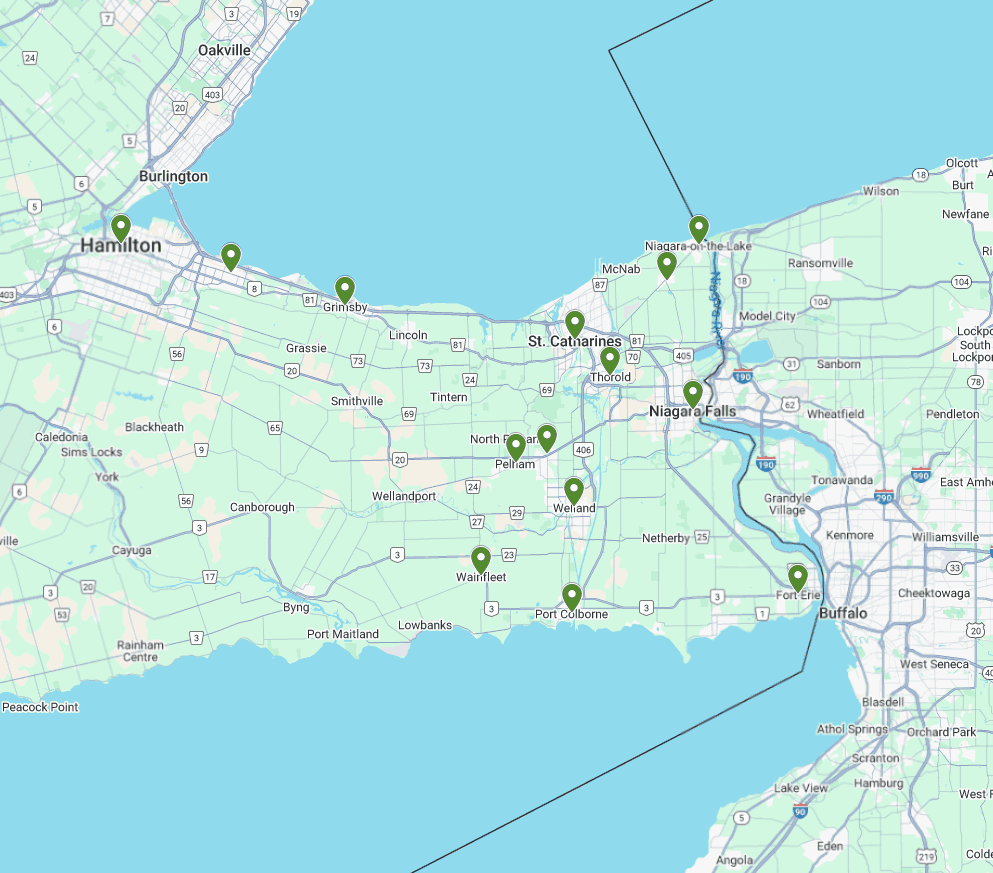
Service Areas
Our service areas encompass a wide range of locations, ensuring that we can meet the needs of our clients wherever they are. From bustling urban centers to serene rural landscapes, we are committed to providing top-notch services tailored to each unique environment.